Category: Blog

Your blog category

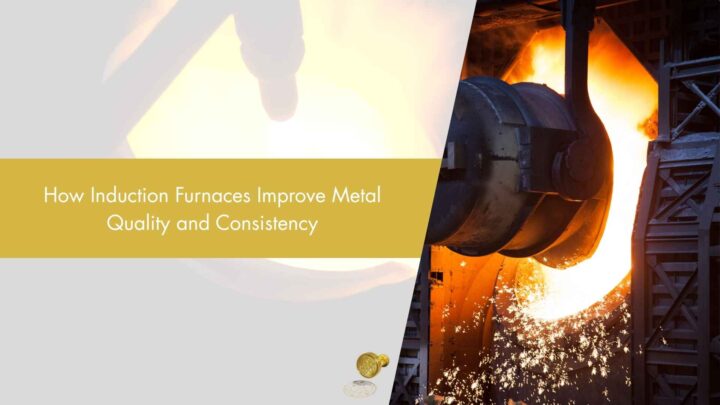
How Induction Furnaces Improve Metal Quality and Consistency  

By opdel.com

Introduction   In today’s competitive manufacturing environment, achieving superior metal quality and maintaining production consistency are critical for success. Industries such as foundries, automotive manufacturing, aerospace, jewelry production, and metal refining rely heavily on advanced melting technologies to meet strict quality standards. Among these technologies, induction furnaces have emerged as one of the most efficient and reliable solutions. Discover the Delmer iD Pro Series Induction Furnace, engineered for precision melting, energy efficiency, and superior performance. Unlike conventional fuel-fired furnaces, induction furnaces use electromagnetic induction to generate heat directly within the metal. This advanced heating method provides precise temperature control, cleaner melting conditions, and superior metallurgical results. As a result, manufacturers can consistently produce high-quality metal products while reducing waste and improving operational efficiency. Why Metal Quality and Consistency Matter   Metal quality directly impacts the strength, durability, corrosion resistance, and performance of finished products. Even minor variations in chemical composition or temperature can lead to defects such as: Consistent metal quality ensures reliable production, reduces rejection rates, and improves customer satisfaction. Heat treatment furnaces are designed to alter the physical and mechanical properties of metals through controlled heating and cooling, improving hardness, strength, and durability for various industrial applications. How Induction Furnaces Enhance Metal Quality   1. Precise Temperature Control   One of the biggest advantages of induction furnaces is their ability to maintain accurate and uniform temperatures throughout the melting process. Benefits include: Modern induction systems allow operators to monitor and adjust temperatures in real time, ensuring optimal melting conditions for every batch. Delmer Etna CD Series – Precision and consistency inspired by Europe’s mightiest volcano. 2. Cleaner Melting Environment   Traditional fuel-fired furnaces introduce combustion gases and contaminants that can affect metal purity. Induction furnaces generate heat electrically, eliminating direct flame contact. Advantages include: This is particularly important for precious metals, stainless steel, specialty alloys, and high-performance engineering materials. 3. Uniform Metal Composition   Electromagnetic stirring naturally occurs during induction melting. The magnetic field creates movement within the molten metal, ensuring thorough mixing. As a result: Uniform composition is essential for industries that require strict metallurgical specifications. Experience seamless metal casting with the Delmer Continuous Casting Furnace ‘Etna’ cD Series, built for consistency, reliability, and precision. 4. Reduced Oxidation and Metal Loss   Oxidation can significantly impact metal quality and increase production costs. Because induction furnaces heat metal rapidly and efficiently, exposure to oxygen is minimized. Benefits include: Manufacturers can maximize raw material utilization while maintaining higher-quality output. Delmer Vulcano Series – Where relentless power meets flawless continuous casting. How Induction Furnaces Improve Production Consistency Consistent Batch-to-Batch Performance   Manufacturers often struggle with maintaining uniform quality across multiple production runs. Induction furnaces provide repeatable heating cycles and precise process control. This ensures: The result is reduced variation between batches and improved overall production reliability. Automated Process Control   Modern induction furnaces are equipped with advanced control systems that automate key operational parameters. Features may include: Automation reduces human error and helps maintain consistent production standards. Faster Melting Cycles   Induction technology delivers energy directly into the metal, enabling faster heating compared to conventional methods. Benefits include: Shorter melting cycles also reduce the likelihood of contamination and oxidation. Delmer Static Furnace – Unmatched stability, precision, and performance for flawless melts. Industries Benefiting from Improved Metal Quality   Foundries   Foundries use induction furnaces to produce high-quality castings with excellent mechanical properties and dimensional accuracy. Precious Metal Refining   Gold, silver, platinum, and other precious metals require extremely clean melting conditions. Induction furnaces help maintain purity and maximize metal recovery. Automotive Manufacturing   Automotive components demand consistent material quality to ensure safety, durability, and performance. Aerospace Industry   Aerospace applications require precise alloy compositions and strict quality control, making induction melting an ideal solution. Jewelry Manufacturing   Jewelry producers rely on induction furnaces for clean melting, accurate alloying, and superior finish quality. Additional Benefits of Induction Furnaces   Beyond improving metal quality and consistency, induction furnaces offer several operational advantages: These benefits make induction technology a smart long-term investment for modern manufacturing facilities. Why Choose DELMER Induction Furnaces?   DELMER has established itself as a trusted provider of advanced induction heating and melting solutions. Designed for reliability, efficiency, and precision, DELMER induction furnaces help manufacturers achieve exceptional metal quality while optimizing production performance. Key advantages include: Whether you are melting precious metals, ferrous alloys, or non-ferrous materials, DELMER furnaces deliver the consistency and quality required in today’s demanding industrial environment. Conclusion   Induction furnaces have revolutionized metal melting by providing precise temperature control, cleaner processing conditions, and superior metallurgical consistency. Their ability to produce high-quality metal with minimal contamination and reduced material loss makes them the preferred choice for manufacturers worldwide. As industries continue to demand higher quality standards and greater production efficiency, induction furnace technology remains a key driver of innovation and operational excellence. Investing in a modern induction furnace is not only a step toward improved metal quality but also a strategic decision for long-term manufacturing success. for more information visit opdel.com

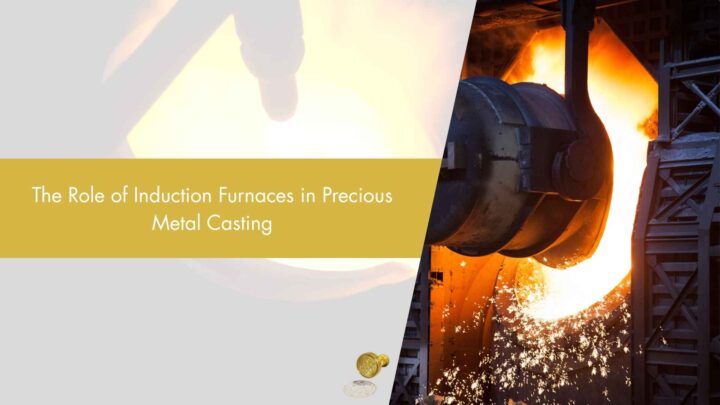
The Role of Induction Furnaces in Precious Metal Casting  

By opdel.com

The Role of Induction Furnaces in Precious Metal Casting   Introduction   Precious metal casting is a critical process in industries such as jewelry manufacturing, bullion production, electronics, aerospace, and investment-grade metal refining. Achieving exceptional quality, purity, and consistency when casting gold, silver, platinum, and other precious metals requires advanced melting technology. Among the various melting methods available today, induction furnaces have become the preferred choice for manufacturers and refiners worldwide. Their ability to provide precise temperature control, energy efficiency, contamination-free melting, and repeatable results makes them indispensable in modern precious metal processing facilities. Discover the Delmer iD Pro Series Induction Furnace, engineered for precision melting, energy efficiency, and superior performance. In this article, we explore the role of induction furnaces in precious metal casting and why they are transforming the precious metals industry. What Is an Induction Furnace?   An induction furnace is an advanced heating system that uses electromagnetic induction to generate heat directly within a metal charge. Unlike traditional fuel-fired furnaces, induction furnaces do not rely on combustion to create heat. The process involves: This technology is particularly beneficial for precious metals where maintaining purity and minimizing material loss are essential. Heat treatment furnaces are designed to alter the physical and mechanical properties of metals through controlled heating and cooling, improving hardness, strength, and durability for various industrial applications. Why Precious Metal Casting Demands Precision   Precious metals such as gold and silver have significant intrinsic value. Even minor production errors can result in substantial financial losses. Delmer Etna CD Series – Precision and consistency inspired by Europe’s mightiest volcano. Key challenges in precious metal casting include: Induction furnaces address all these challenges while improving operational efficiency. Key Roles of Induction Furnaces in Precious Metal Casting   1. Precise Temperature Control   Temperature control is one of the most important aspects of precious metal casting. Overheating can cause: Induction furnaces offer highly accurate temperature regulation, allowing operators to maintain optimal melting conditions throughout the process. Benefits include: Experience seamless metal casting with the Delmer Continuous Casting Furnace ‘Etna’ cD Series, built for consistency, reliability, and precision. 2. Preserving Metal Purity   Maintaining purity is critical when casting investment-grade gold and silver bars. Traditional fuel-based heating systems may introduce contaminants into the melt. In contrast, induction furnaces provide a clean and controlled melting environment. Advantages include: This is especially important for bullion manufacturers and precious metal refineries that must meet strict purity standards. 3. Faster Melting Cycles   Modern induction furnaces can melt precious metals significantly faster than conventional heating methods. Rapid heating offers: Manufacturers can process more batches while maintaining exceptional quality standards. 4. Uniform Metal Heating   Uneven heating can create problems such as: Induction furnaces generate electromagnetic stirring within the molten metal, promoting uniform heat distribution. This ensures: 5. Reduced Precious Metal Loss   Material loss is a major concern when working with high-value metals. Induction melting minimizes: The result is higher metal recovery rates and improved profitability for refiners and manufacturers. 6. Energy-Efficient Operation   Energy consumption significantly impacts production costs. Induction furnaces are highly energy-efficient because heat is generated directly within the metal rather than transferred through an external source. Benefits include: This makes induction technology an environmentally responsible choice for modern casting operations. Delmer Vulcano Series – Where relentless power meets flawless continuous casting. 7. Ideal for Gold and Silver Bar Production   Many refineries use induction furnaces to manufacture: The technology enables: These advantages are crucial for meeting international bullion standards. 8. Enhanced Process Automation   Modern induction furnace systems can be integrated with advanced automation technologies. Features often include: Automation helps improve: Applications of Induction Furnaces in Precious Metal Industries   Induction furnaces are widely used across various sectors, including: Jewelry Manufacturing   Precious Metal Refineries   Electronics Industry   Investment Bullion Production   Delmer Static Furnace – Unmatched stability, precision, and performance for flawless melts. Why Leading Refineries Prefer Induction Furnaces   Refineries worldwide continue to adopt induction furnace technology because it delivers: These benefits provide a competitive advantage in today’s demanding precious metals market. Future of Precious Metal Casting with Induction Technology   As the precious metals industry continues to evolve, induction furnaces are expected to play an even greater role in refining and casting operations. Emerging trends include: Manufacturers investing in induction technology today are positioning themselves for long-term growth and operational excellence. Conclusion   Induction furnaces have revolutionized precious metal casting by delivering unmatched precision, efficiency, and reliability. Their ability to preserve metal purity, reduce material loss, ensure uniform heating, and improve production efficiency makes them the preferred solution for modern gold and silver processing facilities. Whether producing bullion bars, jewelry components, or high-purity precious metal products, induction furnace technology provides the performance and consistency required to meet the highest industry standards. As demand for premium-quality precious metal products continues to grow, induction furnaces will remain at the heart of advanced casting and refining operations worldwide. for more information visit opdel.com Meta Title   The Role of Induction Furnaces in Precious Metal Casting | Complete Guide Meta Description   Discover how induction furnaces improve precious metal casting through precise temperature control, energy efficiency, reduced metal loss, and superior gold and silver bar production.
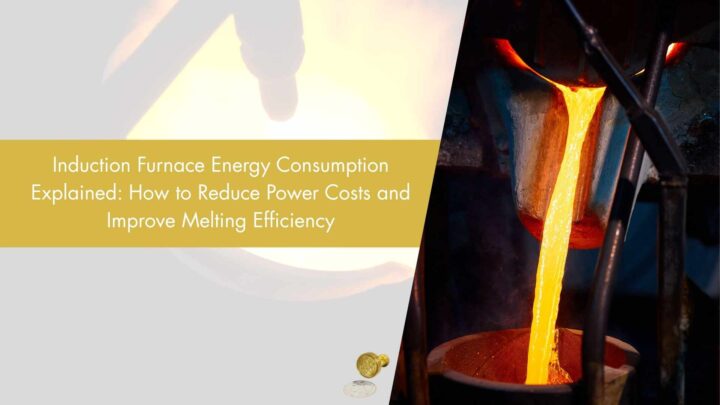
Why Induction Furnaces Are the Preferred Choice for Metal Melting 

By opdel.com

Why Induction Furnaces Are the Preferred Choice for Metal Melting   Introduction   In today’s competitive metal processing industry, efficiency, precision, and sustainability are more important than ever. As manufacturers seek advanced melting technologies, induction furnaces have emerged as the preferred solution for melting a wide range of metals. From foundries and refineries to jewelry manufacturers and metal recycling facilities, induction melting systems are transforming the way metals are processed. Discover the Delmer iD Pro Series Induction Furnace, engineered for precision melting, energy efficiency, and superior performance. This article explores why induction furnaces have become the industry standard for metal melting and how they offer significant advantages over conventional fuel-based furnaces. What Is an Induction Furnace?   An induction furnace is an advanced metal melting system that uses electromagnetic induction to generate heat directly within the metal. Unlike traditional furnaces that rely on combustion, induction furnaces produce heat through an alternating magnetic field, ensuring rapid and efficient melting. The technology is widely used for melting gold, silver, copper, aluminum, brass, bronze, steel, and various precious and non-ferrous metals. Superior Energy Efficiency   One of the primary reasons industries choose induction furnaces is their exceptional energy efficiency. Traditional fuel-fired furnaces lose a significant amount of heat through exhaust gases and furnace walls. In contrast, induction furnaces generate heat directly inside the metal charge, minimizing energy losses. Benefits Include:   As energy prices continue to rise globally, businesses increasingly prefer induction technology to improve profitability and reduce operational expenses. Heat treatment furnaces are designed to alter the physical and mechanical properties of metals through controlled heating and cooling, improving hardness, strength, and durability for various industrial applications. Faster Melting and Increased Productivity   Time is a critical factor in metal manufacturing. Induction furnaces can achieve melting temperatures rapidly, significantly reducing production cycle times. Because the heat is generated directly within the metal, the melting process is both quick and uniform. Consequently, manufacturers can process more batches in less time, increasing overall productivity. This advantage is particularly valuable for high-volume foundries, refineries, and continuous casting operations. Delmer Etna CD Series – Precision and consistency inspired by Europe’s mightiest volcano. Precise Temperature Control   Quality metal production requires accurate temperature management. Induction furnaces offer precise control over melting temperatures, allowing operators to achieve consistent results across every batch. Advanced digital controls and automation systems enable real-time monitoring and adjustments throughout the melting process. As a result: This level of precision is especially important when processing precious metals such as gold and silver. Experience seamless metal casting with the Delmer Continuous Casting Furnace ‘Etna’ cD Series, built for consistency, reliability, and precision. Cleaner and Environmentally Friendly Operation   Environmental regulations are becoming stricter worldwide. Therefore, industries are actively seeking cleaner manufacturing technologies. Induction furnaces produce no direct combustion emissions because they do not require oil, gas, coal, or coke as fuel sources. Environmental Advantages:   For companies pursuing sustainable manufacturing practices, induction melting systems provide an ideal solution. Delmer Vulcano Series – Where relentless power meets flawless continuous casting. Better Metal Quality and Purity   Metal quality directly impacts the performance and value of finished products. Since induction furnaces use a clean heating process, there is minimal contamination from fuel combustion byproducts. This helps maintain the chemical composition and purity of the molten metal. Benefits include: These advantages make induction furnaces particularly popular in precious metal refining and high-precision manufacturing applications. Delmer Static Furnace – Unmatched stability, precision, and performance for flawless melts. Enhanced Safety for Operators   Workplace safety remains a top priority in industrial operations. Induction furnaces offer a safer melting environment compared to traditional fuel-fired systems because they eliminate open flames and combustible fuels. Key Safety Features:   Consequently, companies can create safer production environments while reducing operational risks. Lower Maintenance Requirements   Traditional melting furnaces often require frequent maintenance due to burners, fuel systems, and refractory damage caused by combustion processes. Induction furnaces feature a simpler design with fewer moving components, resulting in: This allows manufacturers to focus more on production and less on equipment repairs. Versatility Across Industries   Modern induction furnaces are highly versatile and can be customized for various industrial applications. Common industries using induction melting technology include: Their ability to melt different metals efficiently makes them a valuable investment for businesses of all sizes. Supporting Automation and Industry 4.0   Today’s manufacturing facilities increasingly rely on automation and smart technologies. Advanced induction furnaces integrate seamlessly with automated production systems, offering: This supports Industry 4.0 initiatives and helps businesses optimize production efficiency. Why Businesses Are Switching to Induction Furnaces   Companies worldwide are replacing traditional melting systems with induction furnaces because they offer a combination of: These benefits provide a significant competitive advantage in today’s demanding manufacturing environment. Conclusion   Induction furnaces have revolutionized metal melting by delivering unmatched efficiency, precision, and sustainability. As industries continue to prioritize productivity, quality, and environmental responsibility, induction melting technology remains the preferred choice for modern metal processing operations. Whether you operate a foundry, refinery, recycling facility, or precious metal manufacturing plant, investing in an advanced induction furnace can improve performance, reduce costs, and support long-term business growth. By combining energy efficiency, superior metal quality, and intelligent process control, induction furnaces are shaping the future of metal melting worldwide. for more information visit opdel.com
How to Know When Your Industrial Furnace Needs an Upgrade  

By opdel.com

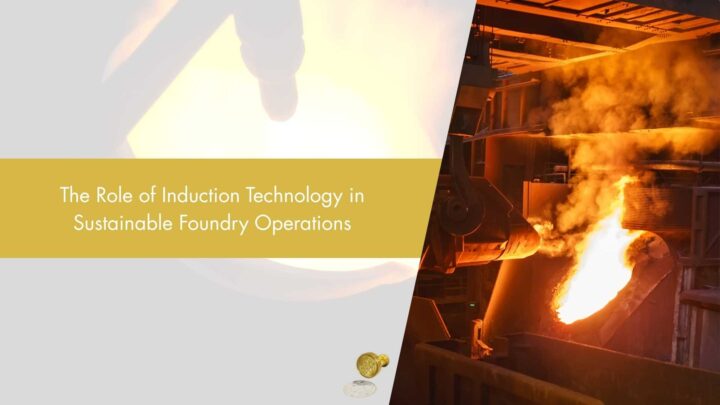
Industrial furnaces play a critical role in metal melting, casting, heat treatment, brazing, and other manufacturing processes. As production demands continue to evolve, older furnace systems can become inefficient, costly, and difficult to maintain. While regular maintenance can extend equipment life, there comes a point when upgrading your industrial furnace becomes the smarter investment. Discover the Delmer iD Pro Series Induction Furnace, engineered for precision melting, energy efficiency, and superior performance. Recognizing the warning signs early can help manufacturers improve productivity, reduce operating costs, and maintain consistent product quality. In this guide, we’ll explore the key indicators that your industrial furnace may need an upgrade. Why Furnace Performance Matters   An industrial furnace directly impacts production efficiency, energy consumption, product quality, and operational safety. Modern furnace technologies offer advanced temperature control, higher energy efficiency, automation capabilities, and improved reliability. Heat treatment furnaces are designed to alter the physical and mechanical properties of metals through controlled heating and cooling, improving hardness, strength, and durability for various industrial applications. If your current system is struggling to meet production requirements, an upgrade can deliver significant long-term benefits. 1. Rising Energy Consumption   One of the most common signs of an aging furnace is increasing energy usage. Older furnace systems often suffer from: As a result, they require more power to achieve the same operating temperatures. If your energy bills continue to rise despite stable production levels, your furnace may no longer be operating efficiently. Modern induction and energy-efficient furnaces can significantly reduce power consumption while maintaining superior performance. Delmer Etna CD Series – Precision and consistency inspired by Europe’s mightiest volcano. 2. Inconsistent Temperature Control   Precise temperature control is essential for maintaining product quality. If you notice: your furnace may have outdated control technology or worn heating components. Modern furnace systems feature digital controls, programmable heating cycles, and real-time monitoring that ensure accurate and repeatable results. Experience seamless metal casting with the Delmer Continuous Casting Furnace ‘Etna’ cD Series, built for consistency, reliability, and precision. 3. Frequent Breakdowns and Downtime   Unexpected downtime can quickly impact production schedules and profitability. Warning signs include: When maintenance costs start approaching the value of a new furnace, upgrading becomes a more cost-effective solution. New furnace systems are designed for higher reliability and reduced maintenance requirements, helping manufacturers maximize uptime. 4. Production Capacity Has Increased   Many manufacturers expand their operations over time, but their furnace systems remain unchanged. Your furnace may be undersized if: Upgrading to a higher-capacity furnace can increase throughput, improve workflow efficiency, and support future business growth. Delmer Vulcano Series – Where relentless power meets flawless continuous casting. 5. Poor Product Quality   Product defects often originate from inconsistent heating conditions. Common quality issues include: If quality problems continue despite process improvements, the furnace itself may be the root cause. Modern furnace technologies provide better temperature stability and process control, resulting in higher-quality finished products. 6. Excessive Metal Loss and Oxidation   Metal loss during melting can significantly increase production costs. Older furnace systems often expose molten metal to excessive heat and atmospheric conditions, leading to: Advanced induction furnaces provide controlled heating environments that minimize oxidation and improve metal recovery. 7. Difficulty Finding Spare Parts   As furnace systems age, replacement parts can become difficult or expensive to source. Common challenges include: When spare part availability becomes a recurring issue, upgrading to a modern furnace ensures long-term support and easier maintenance. 8. Safety Concerns Are Increasing   Workplace safety should never be compromised. Signs of safety-related issues include: Modern industrial furnaces incorporate advanced safety systems, automated monitoring, emergency shutdown functions, and improved thermal management to create a safer working environment. 9. Lack of Automation and Smart Controls   Today’s manufacturing facilities increasingly rely on automation and data-driven processes. If your furnace lacks: it may be limiting your operational efficiency. Modern furnace systems support Industry 4.0 initiatives and help manufacturers improve process consistency and decision-making. 10. Environmental Compliance Challenges   Environmental regulations continue to evolve across industries. Older furnace technologies may struggle to meet current standards for: Upgrading to modern furnace technology can help businesses reduce their environmental footprint while remaining compliant with industry regulations. Benefits of Upgrading Your Industrial Furnace   Investing in a new furnace offers several advantages: These benefits often deliver a strong return on investment through improved productivity and lower operating expenses. Delmer Static Furnace – Unmatched stability, precision, and performance for flawless melts. Why Choose DELMER Furnace Solutions?   DELMER Group has been delivering advanced industrial furnace technologies for decades. Our melting, casting, induction heating, and brazing systems are designed to maximize efficiency, precision, and reliability across a wide range of metal processing applications. From compact induction melting systems to high-capacity continuous casting furnaces, DELMER provides customized solutions that help manufacturers stay competitive in today’s evolving industrial landscape. Conclusion   An industrial furnace is one of the most important assets in any metal processing operation. When energy costs rise, downtime increases, and product quality declines, upgrading your furnace can transform overall operational performance. By investing in modern furnace technology, manufacturers can improve efficiency, reduce costs, enhance safety, and prepare their operations for future growth. for more information visit opdel.com
How to Cast 20 kg and 30 kg Silver Bars for Indian & International Markets  

By opdel.com

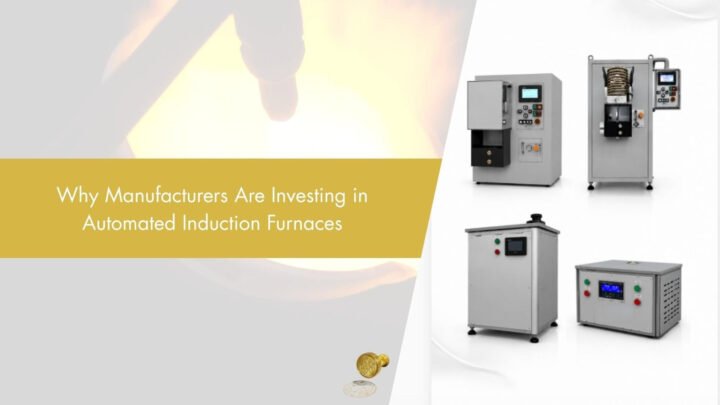
How to Cast 20 kg and 30 kg Silver Bars for Indian & International Markets   The global bullion industry operates under extremely strict manufacturing, assaying, and quality standards—especially when producing large-format silver bars for institutional banking, vaulting, jewelry manufacturing, and international bullion trading. While both 20 kg and 30 kg silver bars are widely used across India and export markets, there is an important technical distinction that refiners, investors, and bullion manufacturers must understand before production begins. A tunnel furnace is a continuous heating system widely used in precious metals manufacturing, especially for producing gold and silver bars with consistent quality and high throughput. It allows controlled, uniform heating as metal moves through different temperature zones on a conveyor or track system. Understanding LBMA Silver Bar Standards   The London Bullion Market Association (LBMA) establishes the globally accepted benchmark for wholesale bullion trading. According to official LBMA Good Delivery Rules, standard Large Silver Bars must weigh between: The recommended industry target range is: This means: Despite this difference, both formats must follow strict LBMA-style refining, casting, assaying, and responsible sourcing methodologies to meet professional market expectations. Explore our 1kg Gold Induction Melting Furnace – 4 Station IGBT System for efficient, high-precision melting that perfectly complements automated gold and silver bar casting operations. Physical Specifications of 20 kg and 30 kg Silver Bars   Proper dimensional engineering is essential to achieve smooth surface finish, stackability, shrinkage control, and easy mold release. 30 kg Silver Bar Specifications (LBMA-Compliant)   Parameter Specification Weight Range Approx. 964.5 Troy Ounces Purity Minimum 999 Fine Silver Top Length 300 mm ± 50 mm Top Width 130 mm ± 20 mm Height 80 mm ± 20 mm Shape Tapered sides with 5°–15° undercut 20 kg Silver Bar Specifications (Custom / Domestic Market)   Parameter Specification Weight Range Approx. 643 Troy Ounces Purity Minimum 999 Fine Silver Top Length 250–280 mm Top Width 100–115 mm Height 60–70 mm Market Usage Domestic India & Jewelry Industry The tapered mold geometry is extremely important because it allows clean extraction from graphite molds without damaging edges or surface finish. Discover the Delmer iD Pro Series Induction Furnace, engineered for precision melting, energy efficiency, and superior performance. Complete Silver Bar Casting Process   Phase 1: Silver Melting and Metallurgical Preparation   Raw Material Charging   The process begins with loading high-purity silver crystals or electrolytically refined silver granules into a high-frequency induction melting furnace. High-purity feedstock is critical for achieving: Melting Temperature Control   Silver melts at: 961.8^{\circ}C However, industrial casting operations typically maintain molten silver between: 1050^{\circ}C\ \text{to}\ 1100^{\circ}C This elevated temperature improves: Oxygen Absorption Control   Molten silver absorbs extremely high volumes of oxygen, which can cause: To prevent oxidation defects, refiners maintain a reducing atmosphere using: This step is essential for producing investment-grade bullion bars. Experience seamless metal casting with the Delmer Continuous Casting Furnace ‘Etna’ cD Series, built for consistency, reliability, and precision. Phase 2: Mold Preparation and Silver Pouring   Graphite Mold Selection   Professional bullion refiners use: The molds are preheated between: 300^{\circ}C\ \text{to}\ 400^{\circ}C Preheating prevents: A thin layer of carbon soot or technical release oil is applied to improve mold release characteristics. Controlled Silver Pouring   The molten silver must be poured: Improper pouring may lead to: Controlled Solidification Technique   One of the most important steps in LBMA-style silver bar manufacturing is directional solidification. Delmer Static Furnace – Unmatched stability, precision, and performance for flawless melts. A soft oxygen-deficient gas flame is applied to the top surface while the silver cools inside the mold. This technique ensures: This process significantly improves the cosmetic and structural quality of the final bullion bar. Phase 3: Cooling, Quenching, and Surface Finishing   After the bar solidifies below approximately: 500^{\circ}C The bar is safely removed from the mold and quenched in a demineralized water bath. Surface Cleaning Process   The bullion bar is then cleaned using: Aggressive grinding or abrasive polishing should be avoided because it can: Professional bullion markets prefer natural cast textures with a clean and uniform appearance. Pair your casting line with the 1kg Gold Induction Melting Furnace – 4 Station IGBT System to achieve faster melt cycles, precise temperature control, and consistent feed stock for flawless bullion bar production. LBMA-Compliant Silver Assaying and Quality Control   Every batch of silver must undergo strict metallurgical testing before commercial release. Sampling Methods   Common professional sampling methods include: Silver Purity Testing Technologies   Modern bullion refiners commonly use: ICP-OES Analysis   Inductively Coupled Plasma Optical Emission Spectrometry provides highly accurate elemental analysis for bullion certification. Potentiometric Titration   This traditional wet chemistry technique remains widely trusted for silver purity verification. Minimum acceptable bullion purity: 999.0\ \text{parts per thousand} Silver Bar Marking Requirements   Professional bullion bars require permanent and legible markings stamped on the largest surface area. Delmer Vulcano Series – Where relentless power meets flawless continuous casting. Required Bullion Markings   Refiner’s Logo   The official refinery stamp or trademark. Serial Number   Unique alphanumeric traceability code linked to production records. Purity Mark   Typically stamped as: Year of Manufacture   Four-digit production year, such as: Important LBMA Weight Rule   For official wholesale LBMA silver bars, the exact weight is generally NOT stamped directly onto the bar. The certified delivery weight is instead documented using: However, in India’s domestic bullion market, 20 kg bars are commonly stamped with: This is standard commercial practice for jewelry manufacturers and regional bullion trading. Delmer Etna CD Series – Precision and consistency inspired by Europe’s mightiest volcano. International Market Compliance vs Indian BIS Standards   International OTC and Vault Markets   For international bullion trading: Typical pallet loads range between: Bars are tightly banded and prepared for institutional handling. Continuous casting machine produces metal rods, strips, or profiles directly from molten metal in a continuous process, ensuring high productivity, uniform quality, and reduced material wastage. Indian Market Compliance (BIS & GIFT City)   India’s bullion infrastructure increasingly aligns with global standards through: BIS Alignment   The Bureau of Indian Standards (BIS) supports: IIBX and GIFT City Requirements   For bullion entering India through the India International Bullion Exchange (IIBX): Final Thoughts   The manufacturing of 20 kg and 30…

How Modern Induction Furnace Technology is Transforming Metal Processing Industries | Powered by Delmer  

By opdel.com

How Modern Induction Furnace Technology is Transforming Metal Processing Industries | Powered by Delmer   In today’s competitive manufacturing environment, precision heating technology has become a critical factor in improving productivity, reducing energy costs, and ensuring superior product quality. Modern induction furnace systems have transformed metal processing by offering faster, cleaner, and more energy-efficient alternatives to conventional heating methods. Discover the Delmer iD Pro Series Induction Furnace, engineered for precision melting, energy efficiency, and superior performance. As a trusted industrial heating solutions provider, Delmer delivers advanced induction furnace systems engineered for high-performance metal melting, continuous casting, and thermal processing applications. What is an Induction Furnace?   An induction furnace is an advanced metal heating system that uses electromagnetic induction to generate heat directly within conductive materials. Unlike traditional combustion-based heating methods, induction furnaces provide accurate temperature control, faster heating cycles, and minimal energy wastage. This makes them the preferred solution for industries requiring precision, efficiency, and metallurgical consistency. Heat treatment furnaces are designed to alter the physical and mechanical properties of metals through controlled heating and cooling, improving hardness, strength, and durability for various industrial applications. Why Modern Industries Choose Delmer Induction Furnace Solutions   Manufacturers across the globe are increasingly adopting advanced induction heating technology for improved production performance. Superior Energy Efficiency   Delmer induction furnaces are designed to maximize thermal efficiency by transferring energy directly into the metal, significantly reducing heat loss. Benefits include: Delmer Etna CD Series – Precision and consistency inspired by Europe’s mightiest volcano. Faster Heating Performance   Production speed directly impacts profitability. Delmer induction heating systems provide rapid temperature rise, helping manufacturers: Fast heating translates into better business performance. Exceptional Temperature Precision   Accurate temperature management is essential for achieving consistent metallurgical properties. Delmer furnace systems offer: This precision is particularly important in precious metal and industrial alloy applications. Clean and Sustainable Industrial Heating   Modern manufacturing demands environmentally responsible technology. Delmer induction furnace systems support cleaner operations through: Energy-efficient heating also supports sustainability goals. Experience seamless metal casting with the Delmer Continuous Casting Furnace ‘Etna’ cD Series, built for consistency, reliability, and precision. Industrial Applications of Delmer Furnace Systems   Delmer’s advanced furnace technology supports a wide range of industrial applications. Precious Metal Processing   Ideal for: Industrial Metal Processing   Widely used in: Specialized Manufacturing   Perfect for industries requiring: Delmer Vulcano Series – Where relentless power meets flawless continuous casting. Continuous Casting Technology by Delmer   Continuous casting remains one of the most efficient metal production methods for manufacturers requiring uninterrupted, high-quality output. Delmer continuous casting furnace solutions offer: These systems are ideal for modern high-volume manufacturing operations. Why Choose Delmer for Industrial Furnace Solutions?   Advanced Engineering   Delmer combines industrial expertise with precision furnace design to deliver dependable heating systems. Reliable Performance   Built for continuous industrial use, Delmer systems ensure long-term operational stability. Smart Automation   Advanced control technology improves process accuracy and simplifies operation. Low Maintenance Design   Easy serviceability reduces downtime and maintenance costs. Energy Optimization   Efficient system architecture lowers long-term operating expenses. Delmer Static Furnace – Unmatched stability, precision, and performance for flawless melts. Future of Industrial Heating with Delmer   Industrial heating technology continues to evolve toward smarter, more automated, and more sustainable solutions. Delmer remains committed to innovation through: As industries modernize, Delmer continues to deliver reliable furnace systems that meet evolving production demands. Conclusion   Modern induction furnace technology is reshaping industrial metal processing through speed, precision, energy efficiency, and operational reliability. With advanced solutions from Delmer, manufacturers can achieve higher productivity, lower operating costs, cleaner operations, and superior product quality. Whether for precious metal melting, continuous casting, alloy manufacturing, or specialized industrial heating, Delmer is your trusted partner for advanced furnace technology. for more information visit opdel.com