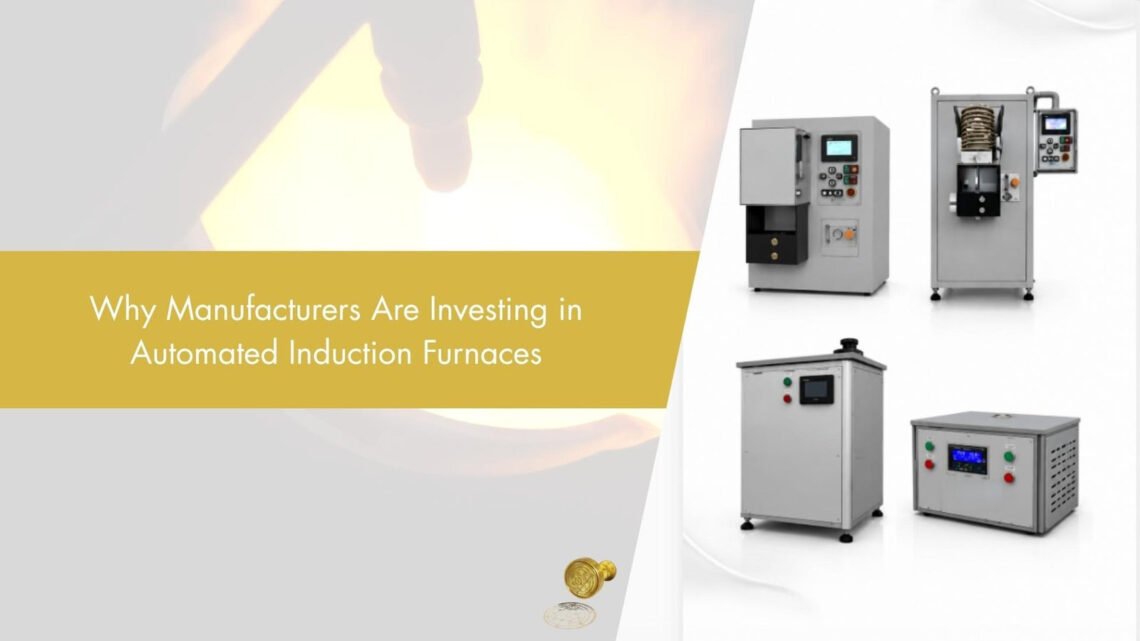
Why Manufacturers Are Investing in Automated Induction Furnaces
Manufacturing industries are continuously seeking ways to improve productivity, reduce operational costs, and maintain consistent product quality. As a result, automated induction furnaces have become a preferred choice for metal melting and heat treatment applications. From foundries and metal processing plants to precious metal refineries, manufacturers are increasingly investing in advanced induction furnace technology to stay competitive in today’s demanding market.
Discover the OPDEL iD Pro Series Induction Furnace, engineered for precision melting, energy efficiency, and superior performance.
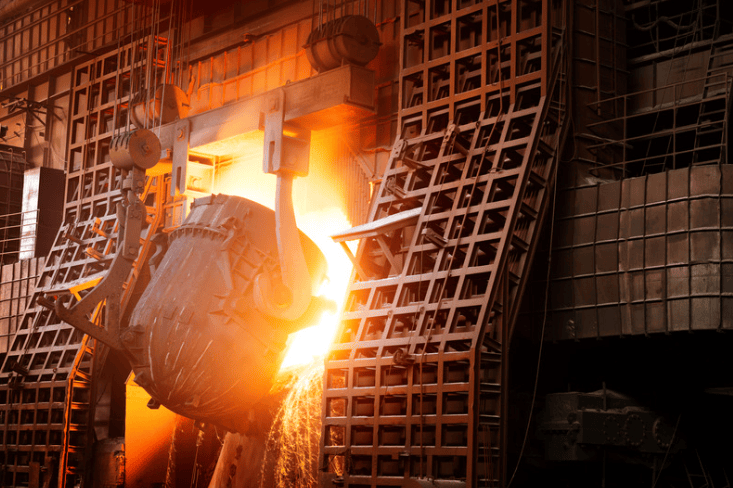
This article explores the key reasons behind the growing adoption of automated induction furnaces and how they are transforming modern manufacturing operations.
What Is an Automated Induction Furnace?
An automated induction furnace uses electromagnetic induction to generate heat and melt metals efficiently. Unlike traditional fuel-based furnaces, induction furnaces offer precise temperature control, faster melting cycles, and cleaner operations.
Automation further enhances these capabilities by integrating programmable controls, sensors, monitoring systems, and intelligent process management. This allows manufacturers to achieve higher efficiency with minimal human intervention.
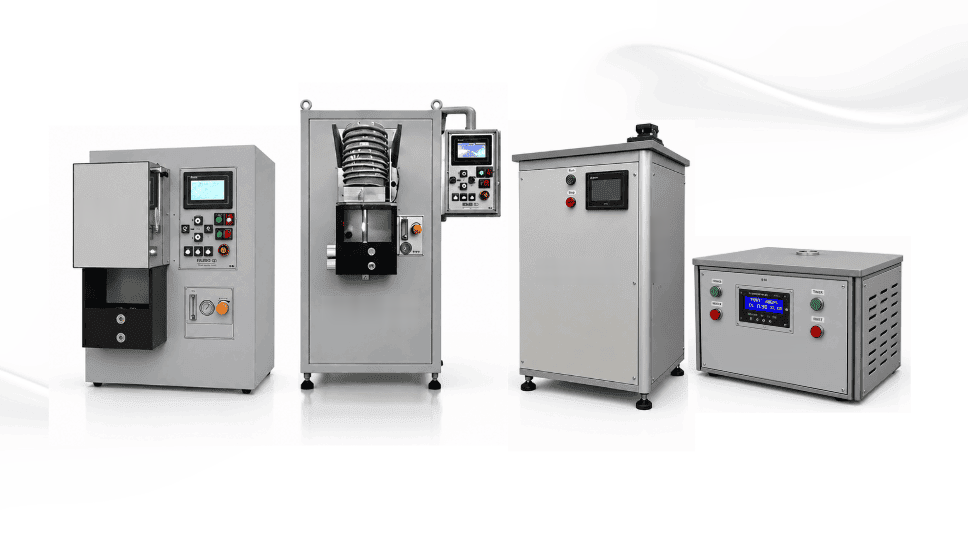
Heat treatment furnaces are designed to alter the physical and mechanical properties of metals through controlled heating and cooling, improving hardness, strength, and durability for various industrial applications.
Growing Demand for Automation in Manufacturing
Industry 4.0 has accelerated the shift toward smart manufacturing. Companies are now investing in technologies that provide real-time data, improved process control, and increased operational efficiency.
Automated induction furnaces align perfectly with these objectives by offering:
- Intelligent temperature management
- Automated charging and pouring systems
- Remote monitoring capabilities
- Data-driven process optimization
- Reduced manual labor requirements
Consequently, manufacturers can achieve greater consistency and productivity while minimizing operational risks.
OPDEL Etna CD Series – Precision and consistency inspired by Europe’s mightiest volcano.
Key Reasons Manufacturers Are Investing in Automated Induction Furnaces
1. Improved Production Efficiency
One of the primary reasons for adopting automated induction furnaces is their ability to improve production efficiency significantly.
Automated systems can monitor and adjust operating parameters in real time, ensuring optimal melting conditions throughout the process. This reduces downtime, shortens melting cycles, and increases overall output.
Manufacturers can therefore produce more metal within the same timeframe, resulting in higher profitability.
2. Consistent Metal Quality
Product quality remains a critical factor in manufacturing success. Variations in melting temperatures and process control can lead to defects and material inconsistencies.
Automated induction furnaces provide:
- Precise temperature regulation
- Uniform heat distribution
- Accurate alloy composition control
- Reduced contamination risks
As a result, manufacturers achieve superior metal quality and consistent production standards.
3. Lower Energy Consumption
Energy costs represent a significant portion of manufacturing expenses. Traditional melting methods often waste substantial amounts of energy through heat loss.
Automated induction furnaces are highly energy-efficient because they generate heat directly within the metal charge. Advanced control systems further optimize power consumption by adjusting energy usage according to process requirements.
This leads to:
- Reduced electricity consumption
- Lower operating costs
- Improved energy utilization
Consequently, manufacturers experience substantial long-term savings.
Experience seamless metal casting with the OPDEL Continuous Casting Furnace ‘Etna’ cD Series, built for consistency, reliability, and precision.
4. Reduced Labor Costs
Automation helps manufacturers overcome labor shortages while reducing dependence on manual operations.
Tasks such as:
- Temperature monitoring
- Power adjustments
- Process tracking
- Batch management
can be handled automatically through intelligent control systems.
This reduces labor costs while allowing skilled personnel to focus on higher-value activities.
5. Enhanced Workplace Safety
Metal melting operations involve extreme temperatures and potentially hazardous working conditions.
Automated induction furnaces improve workplace safety by minimizing direct operator interaction with molten metal. Features such as remote controls, automated alarms, and safety interlocks help prevent accidents and equipment damage.
As a result, manufacturers create safer working environments and reduce the likelihood of workplace incidents.
6. Better Process Control and Monitoring
Modern automated induction furnaces provide comprehensive process visibility through digital interfaces and monitoring systems.
Operators can access real-time information regarding:
- Furnace temperature
- Power consumption
- Melting progress
- Production data
- Equipment performance
This enables faster decision-making and more effective process management.
7. Reduced Material Waste
Material waste directly impacts production costs and profitability.
Automated induction furnaces ensure precise process control, reducing the likelihood of overheating, metal loss, and alloy inconsistencies. Better control translates into improved yield rates and lower scrap generation.
Manufacturers benefit from:
- Higher material utilization
- Reduced rework
- Lower production costs
8. Environmental Sustainability
Sustainability has become a major priority for manufacturers worldwide.
Compared to conventional fuel-fired furnaces, automated induction furnaces produce fewer emissions and operate with greater energy efficiency. Their cleaner operation helps companies meet environmental regulations and sustainability goals.
Benefits include:
- Reduced carbon footprint
- Lower emissions
- Cleaner production processes
- Improved environmental compliance
OPDEL Vulcano Series – Where relentless power meets flawless continuous casting.
Applications Across Industries
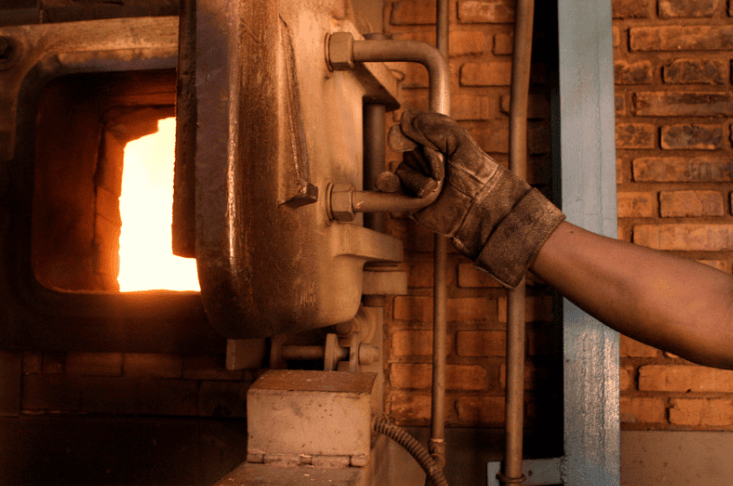
Automated induction furnaces are widely used in various sectors, including:
Foundries
For melting iron, steel, aluminum, copper, and other alloys with high precision.
Precious Metal Refining
For gold, silver, platinum, and other precious metals requiring strict quality control.
Automotive Manufacturing
For producing high-quality castings and components.
Aerospace Industry
For specialized alloy processing and precision manufacturing.
Jewelry Manufacturing
For consistent melting and casting of precious metals.
Their versatility makes them an essential investment for modern industrial operations.
OPDEL Static Furnace – Unmatched stability, precision, and performance for flawless melts.
Future of Automated Induction Furnace Technology
The future of induction furnace technology lies in greater connectivity and intelligent automation. Emerging developments include:
- Artificial intelligence-based process optimization
- Predictive maintenance systems
- IoT-enabled monitoring
- Cloud-based production analytics
- Smart factory integration
These innovations will further improve productivity, reduce operating costs, and enhance manufacturing efficiency.
Conclusion
Manufacturers are investing in automated induction furnaces because they offer a powerful combination of efficiency, quality, safety, and sustainability. By reducing energy consumption, minimizing waste, improving process control, and ensuring consistent metal quality, these advanced systems deliver significant competitive advantages.
As manufacturing continues to evolve toward automation and smart production, automated induction furnaces will play an increasingly important role in helping businesses achieve higher productivity and long-term growth. Companies that invest in this technology today are positioning themselves for greater success in the future of industrial manufacturing.
for more information visit opdel.com