Introduction
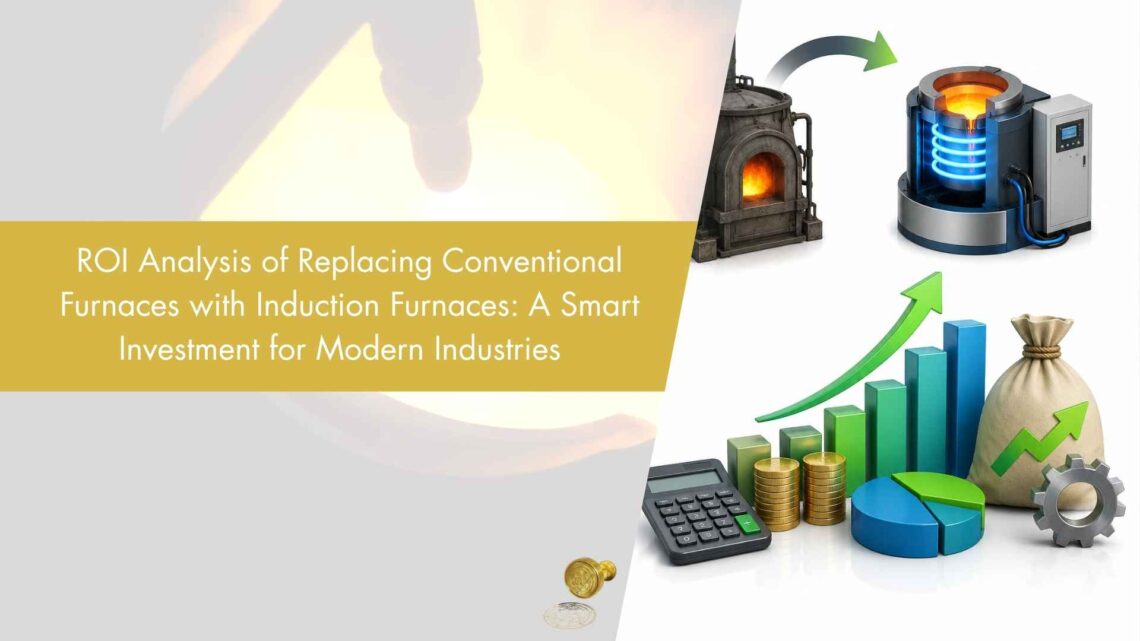
In today’s competitive manufacturing environment, industries are constantly searching for ways to reduce operational costs, improve energy efficiency, and increase productivity. One of the most impactful upgrades many metal processing and foundry businesses are considering is replacing conventional furnaces with induction furnaces.
Discover the OPDEL iD Pro Series Induction Furnace, engineered for precision melting, energy efficiency, and superior performance.
While the initial investment may appear significant, the long-term Return on Investment (ROI) often justifies the transition. This article explores the financial, operational, and environmental benefits of switching to induction furnace technology and provides a comprehensive ROI analysis for decision-makers.
What Are Conventional Furnaces?
Conventional furnaces typically include:
- Fuel-fired furnaces
- Cupola furnaces
- Oil-fired furnaces
- Gas-fired furnaces
- Resistance heating furnaces
These systems rely on combustion or indirect heating methods to melt metals. Although widely used for decades, they often suffer from:
- High energy consumption
- Heat losses
- Increased maintenance requirements
- Lower process control accuracy
- Higher emissions
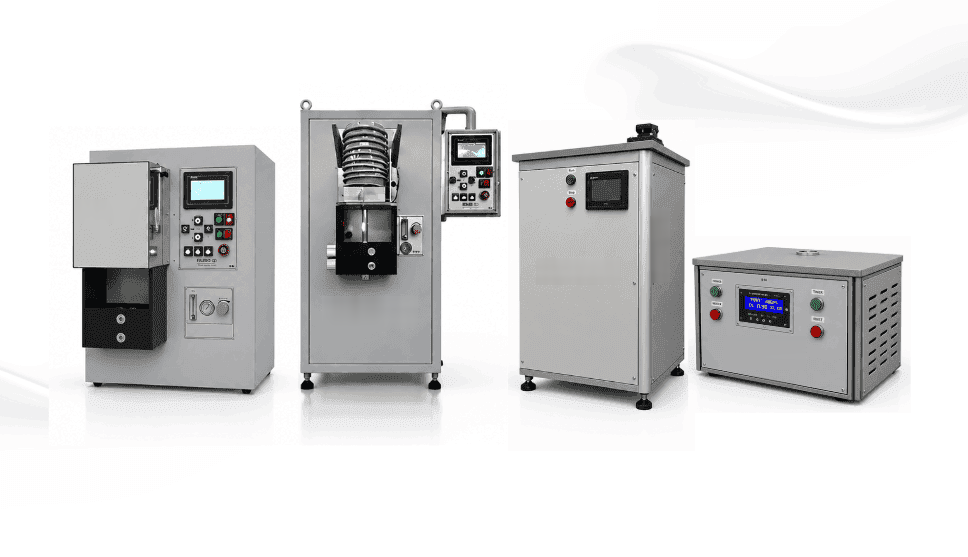
Experience seamless metal casting with the OPDEL Continuous Casting Furnace ‘Etna’ cD Series, built for consistency, reliability, and precision.
What Is an Induction Furnace?
An induction furnace uses electromagnetic induction to generate heat directly within the metal charge. Unlike traditional heating methods, induction technology transfers energy more efficiently, resulting in faster melting and lower energy waste.
Key advantages include:
- High energy efficiency
- Faster melting cycles
- Precise temperature control
- Reduced oxidation losses
- Cleaner operations
- Lower maintenance costs
OPDEL Static Furnace – Unmatched stability, precision, and performance for flawless melts.
Understanding ROI in Furnace Replacement Projects
ROI (Return on Investment) measures how quickly the savings generated by a new furnace recover the initial investment cost.
ROI Formula
ROI (%) = [(Annual Savings – Annual Operating Costs) ÷ Investment Cost] × 100
A positive ROI indicates that the investment generates financial benefits over time.
Major Cost Factors Affecting ROI

1. Energy Consumption Savings
Energy costs represent one of the largest operational expenses in metal melting operations.
Conventional furnaces often operate at:
- 30%–50% thermal efficiency
Induction furnaces can achieve:
- 75%–90% energy efficiency
This dramatic improvement significantly reduces electricity or fuel expenses.
Example
A foundry producing 10,000 tons annually may reduce energy consumption by 20%–40% after installing an induction furnace.
Annual energy savings can reach tens of thousands of dollars depending on local energy prices.
2. Reduced Metal Losses
Traditional furnaces expose molten metal to combustion gases and oxygen, leading to:
- Oxidation
- Scaling
- Burn-off losses
Induction furnaces provide controlled melting environments that reduce metal loss by 1%–3%.
For high-value alloys and specialty metals, these savings can have a substantial impact on profitability.
3. Lower Maintenance Costs
Conventional furnace systems require:
- Burner servicing
- Fuel line inspections
- Refractory repairs
- Exhaust system maintenance
Induction furnaces contain fewer mechanical components and eliminate combustion-related equipment.
Benefits include:
- Reduced downtime
- Lower spare parts costs
- Fewer maintenance personnel requirements
Many facilities report maintenance cost reductions of 25%–50%.
4. Increased Productivity
Induction furnaces offer:
- Faster melting rates
- Shorter cycle times
- Better process automation
As a result, manufacturers can:
- Increase production output
- Meet customer deadlines more efficiently
- Improve overall equipment utilization
Higher throughput directly contributes to improved ROI.
5. Labor Cost Optimization
Automation capabilities in induction furnaces reduce manual intervention.
This enables:
- Lower labor requirements
- Improved worker safety
- Reduced operator errors
Companies often realize measurable labor savings while improving process consistency.
OPDEL Etna CD Series – Precision and consistency inspired by Europe’s mightiest volcano.
Sample ROI Calculation
Consider a medium-sized steel foundry planning to replace a conventional furnace.
Investment Cost
| Item | Cost |
| Induction Furnace System | $400,000 |
| Installation & Training | $50,000 |
| Total Investment | $450,000 |
Annual Savings
| Source | Annual Savings |
| Energy Savings | $120,000 |
| Reduced Metal Loss | $40,000 |
| Maintenance Savings | $30,000 |
| Labor Savings | $20,000 |
| Increased Productivity | $60,000 |
| Total Savings | $270,000 |
Payback Period
Payback Period = Investment Cost ÷ Annual Savings
$450,000 ÷ $270,000 = 1.67 Years
The investment pays for itself in approximately 20 months.
Five-Year ROI
Total Savings Over 5 Years:
$270,000 × 5 = $1,350,000
Net Gain:
$1,350,000 − $450,000 = $900,000
ROI:
($900,000 ÷ $450,000) × 100 = 200%
This demonstrates how induction furnace technology can deliver substantial long-term financial returns.
Modern gold bullion manufacturing equipment can be configured with varying degrees of automation.
Environmental Benefits That Improve ROI
Modern industries face increasing environmental regulations and sustainability targets.
Induction furnaces support these goals through:
- Lower carbon emissions
- Reduced fuel consumption
- Improved workplace air quality
- Lower greenhouse gas output
Many organizations also qualify for:
- Energy-efficiency incentives
- Government subsidies
- Green manufacturing certifications
These incentives further accelerate ROI.
Hidden Benefits Often Overlooked
Improved Product Quality
Precise temperature control leads to:
- Better metallurgical consistency
- Reduced defects
- Improved casting quality
Enhanced Workplace Safety
Without open flames or fuel combustion, induction systems create safer working environments.
Digital Integration
Modern induction furnaces can integrate with Industry 4.0 technologies, enabling:
- Real-time monitoring
- Predictive maintenance
- Data-driven decision-making
These capabilities increase operational efficiency and support future manufacturing growth.
Investing in a tunnel gold bar casting system requires significant capital expenditure, but the return on investment can be substantial.
Challenges to Consider Before Upgrading
Although induction furnaces provide strong returns, businesses should evaluate:
- Initial capital investment
- Electrical infrastructure upgrades
- Power supply requirements
- Employee training needs
- Production downtime during installation
Conducting a detailed feasibility study ensures accurate ROI projections and smooth implementation.
OPDEL Vulcano Series – Where relentless power meets flawless continuous casting.
Industries Benefiting Most from Induction Furnaces
Induction furnace technology is widely adopted in:
- Steel manufacturing
- Iron foundries
- Aluminum processing
- Copper production
- Precious metal refining
- Automotive component manufacturing
- Aerospace metal processing
Organizations with high production volumes often achieve the fastest payback periods.
Conclusion
Replacing conventional furnaces with induction furnaces is more than a technological upgrade—it is a strategic investment that enhances profitability, operational efficiency, and sustainability. Through lower energy consumption, reduced maintenance costs, improved productivity, and better product quality, businesses can often recover their investment within two years while achieving substantial long-term returns.
As energy costs continue to rise and environmental regulations become stricter, induction furnaces are emerging as the preferred solution for manufacturers seeking competitive advantages and sustainable growth. Conducting a thorough ROI analysis can help organizations make informed decisions and unlock significant financial benefits for years to come.
for more information visit opdel.com