Month: June 2026

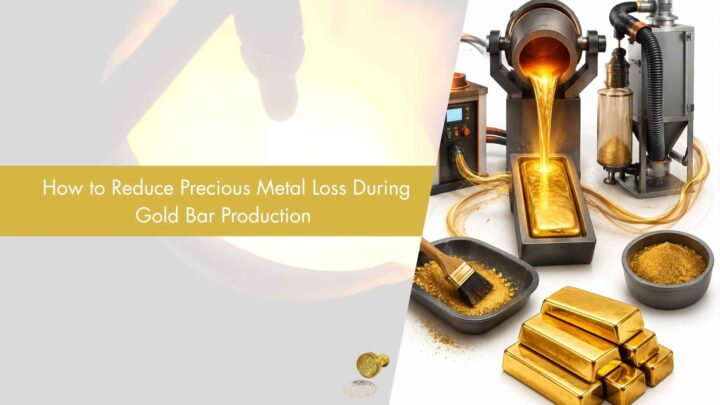
How to Reduce Precious Metal Loss During Gold Bar Production  

By opdel.com

Introduction  In the precious metals industry, even the smallest amount of gold loss can significantly impact profitability. Whether you are producing investment-grade gold bars, jewelry bullion, or industrial gold products, minimizing precious metal loss is essential for maximizing yield, reducing operational costs, and maintaining product quality. A tunnel furnace is a continuous heating system widely used in precious metals manufacturing, especially for producing gold and silver bars with consistent quality and high throughput. It allows controlled, uniform heating as metal moves through different temperature zones on a conveyor or track system. Gold is one of the most valuable materials processed in manufacturing. Every gram lost during melting, refining, casting, handling, or finishing represents direct financial loss. Fortunately, modern technologies and best practices can help manufacturers recover more precious metal and improve overall production efficiency. This guide explores the most common causes of gold loss during gold bar production and provides practical strategies to reduce wastage and increase recovery rates. Why Precious Metal Loss Matters   Gold manufacturers often focus on production output and product quality, but metal recovery is equally important. Even a loss of 0.1% can become substantial when processing kilograms of gold annually. Benefits of Reducing Gold Loss   Common Sources of Gold Loss During Production   Understanding where losses occur is the first step toward reducing them. 1. Melting and Oxidation Losses   During the melting process, excessive temperatures and improper furnace operation can lead to metal oxidation and material loss. Common causes include: 2. Casting and Pouring Losses   Gold can be lost during transfer from the furnace to molds due to: Delmer Vulcano Series – Where relentless power meets flawless continuous casting. 3. Grinding and Finishing Losses   After casting, gold bars often undergo finishing operations such as: Fine gold particles generated during these processes can easily be lost if proper collection systems are not in place. 4. Dust and Airborne Particles   Gold dust generated during production may settle on floors, workbenches, filters, clothing, and ventilation systems. Without effective recovery procedures, these particles become hidden losses that accumulate over time. 5. Handling and Inventory Errors   Manual handling can contribute to: Explore our 1kg Gold Induction Melting Furnace – 4 Station IGBT System for efficient, high-precision melting that perfectly complements automated gold and silver bar casting operations. Best Practices to Reduce Precious Metal Loss   Use High-Efficiency Induction Furnaces   Modern induction furnaces provide precise temperature control and faster melting cycles compared to conventional fuel-fired systems. Advantages include: Advanced IGBT-based induction furnaces are particularly effective for precious metal applications due to their stable power output and accurate temperature regulation. Optimize Melting Temperatures   Avoid overheating gold beyond the required pouring temperature. Maintaining the correct melting range helps: Installing digital temperature monitoring systems can significantly improve process control. Select Quality Crucibles   The choice of crucible directly affects metal recovery. High-quality crucibles offer: Regular inspection and replacement of worn crucibles can prevent unnecessary gold losses. Discover the Delmer iD Pro Series Induction Furnace, engineered for precision melting, energy efficiency, and superior performance. Implement Dust Collection Systems   Gold dust is valuable and should never be treated as waste. Effective recovery systems include: Collected dust can be refined and returned to production, improving overall recovery rates. Recover Sweepings and Polishing Waste   Many manufacturers underestimate the value of floor sweepings, polishing residues, and filter dust. These materials often contain recoverable precious metals and should be processed through a dedicated recovery program. Improve Mold Design and Casting Procedures   Proper mold engineering helps reduce: Consistent casting practices lead to higher yield and better bar quality. Experience seamless metal casting with the Delmer Continuous Casting Furnace ‘Etna’ cD Series, built for consistency, reliability, and precision. Automate Production Processes   Automation reduces human error and improves material accountability. Examples include: Automation helps identify losses quickly and maintain accurate production records. Importance of Precious Metal Recovery Programs   A comprehensive recovery strategy should include: Daily Recovery Activities   Weekly Recovery Activities   Monthly Recovery Audits   Regular audits help identify hidden losses and improve process efficiency. Track metrics such as: Delmer Static Furnace – Unmatched stability, precision, and performance for flawless melts. How Technology Improves Gold Recovery   Modern gold bar manufacturers increasingly rely on advanced technology to reduce losses. Key technologies include: Digital Weighing Systems   High-precision scales provide accurate material tracking throughout production. Induction Melting Systems   Efficient melting reduces oxidation and improves metal utilization. Automated Refining Equipment   Consistent refining processes minimize human error and improve yield. Production Management Software   Real-time monitoring allows manufacturers to identify inefficiencies and optimize recovery rates. Pair your casting line with the 1kg Gold Induction Melting Furnace – 4 Station IGBT System to achieve faster melt cycles, precise temperature control, and consistent feed stock for flawless bullion bar production. Calculating the Cost of Gold Loss   Consider a facility processing 100 kilograms of gold annually. If production losses equal: Given current gold prices, these losses can represent substantial financial impact each year. Even small improvements in recovery rates can generate significant savings and improve profitability. Conclusion   Reducing precious metal loss during gold bar production is not simply about saving material—it is about improving profitability, efficiency, and long-term competitiveness. By investing in advanced induction melting technology, implementing effective recovery systems, optimizing casting processes, and maintaining strict inventory control, manufacturers can significantly reduce gold losses and maximize recovery rates. In an industry where every gram matters, a proactive approach to precious metal recovery can create a measurable advantage and deliver substantial financial returns over time. for more information visit opdel.com Frequently Asked Questions (FAQs)   What is the biggest cause of gold loss during production?   Gold dust generated during polishing, grinding, and finishing operations is often one of the largest sources of recoverable metal loss. How do induction furnaces reduce gold loss?   Induction furnaces provide precise temperature control, reducing oxidation, contamination, and overheating during melting. Can polishing dust be recovered?   Yes. Polishing dust often contains valuable precious metal particles that can be refined and reused. Why is inventory tracking important in gold manufacturing?   Accurate inventory tracking helps identify process losses, prevent discrepancies, and improve overall metal accountability. What recovery…

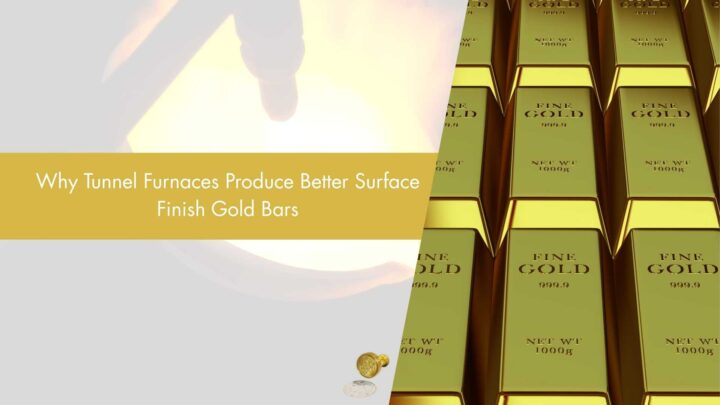
Why Tunnel Furnaces Produce Better Surface Finish Gold Bars  

By opdel.com

Introduction   In precious metal manufacturing, surface finish is more than a cosmetic detail—it directly affects the perceived value, branding quality, handling, and final market appeal of a gold bar. Whether you are producing minted investment bars, bullion bars, jewellery-grade cast bars, or high-purity refinery output, the final appearance of the bar matters. A smooth, bright, uniform finish signals process control, purity, and premium manufacturing standards. Among the many technologies used in precious metal processing, tunnel furnaces have emerged as one of the most effective systems for producing gold bars with superior surface finish and consistent quality. Compared with more conventional batch heating methods, tunnel furnaces offer controlled heating, stable thermal zones, reduced oxidation risk, improved solidification behavior, and repeatable process conditions—all of which contribute to cleaner, smoother, and more visually refined gold bars. In this blog, we explore why tunnel furnaces produce better surface finish gold bars, how the technology works, what process advantages it delivers, and why modern refiners and bullion manufacturers are increasingly adopting tunnel furnace-based gold bar production systems. What Is a Tunnel Furnace in Gold Bar Manufacturing?   A tunnel furnace is a continuous heating system in which materials or molds move through a long, thermally controlled chamber divided into multiple temperature zones. Instead of heating metal in a single static batch environment, tunnel furnaces create a progressive and controlled thermal journey—from preheating to melting, holding, casting support, and controlled cooling depending on the production layout. In gold bar production, tunnel furnace systems are commonly integrated into: The main advantage is process consistency. Since every mold, crucible, or casting cycle experiences the same controlled thermal profile, the bars produced tend to show a more uniform surface finish, fewer visual defects, and improved repeatability from batch to batch. Discover the Delmer iD Pro Series Induction Furnace, engineered for precision melting, energy efficiency, and superior performance. Why Surface Finish Matters in Gold Bars   A gold bar’s finish influences more than appearance. In industrial and commercial precious metal operations, surface quality affects: 1. Visual value and customer perception   A smooth, defect-free gold bar looks premium and trustworthy. Buyers, traders, investors, and jewelry manufacturers often associate a clean finish with higher manufacturing quality and better process discipline. 2. Branding and stamp clarity   When bars are stamped, engraved, or marked with purity, weight, and brand logos, a smoother surface helps achieve sharper, clearer, and more consistent impressions. 3. Reduced post-processing   Poor surface finish often requires extra polishing, filing, brushing, or reworking. A better finish from the furnace stage lowers labor and finishing costs. 4. Better dimensional consistency   Surface defects often go hand-in-hand with poor fill quality, shrinkage marks, cold shuts, or uneven solidification. A stable casting process improves both appearance and bar geometry. 5. Premium export and bullion presentation   For refineries and bullion producers targeting premium domestic or export markets, presentation quality matters. Tunnel furnace systems help deliver bars that are not only pure but also professionally finished. Experience seamless metal casting with the Delmer Continuous Casting Furnace ‘Etna’ cD Series, built for consistency, reliability, and precision. Why Tunnel Furnaces Produce Better Surface Finish Gold Bars   1. Uniform Heating Reduces Surface Defects   One of the biggest reasons tunnel furnaces produce better gold bars is uniform heat distribution. In traditional or poorly controlled batch heating systems, temperature variations can create several casting problems: Tunnel furnaces are designed with controlled heating zones that maintain a stable temperature profile throughout the process. This ensures that the molten gold remains at the correct casting temperature and that molds or receiving components are properly conditioned. Result:   When heat is consistent, the gold solidifies more evenly, which significantly improves the visible finish of the bar. Delmer Static Furnace – Unmatched stability, precision, and performance for flawless melts. 2. Controlled Thermal Zones Improve Metal Flow During Casting   A tunnel furnace does not simply heat the metal—it manages the entire thermal environment. This is crucial in gold casting because metal temperature directly affects fluidity. If gold is too cool: If gold is overheated: Tunnel furnace systems help maintain precise casting temperature windows, allowing the gold to flow in a stable and predictable manner. This controlled flow contributes to: In short, better temperature control means better casting behavior—and better casting behavior means better surface finish. Delmer Etna CD Series – Precision and consistency inspired by Europe’s mightiest volcano. 3. Reduced Oxidation and Contamination on the Bar Surface   Even though gold is highly resistant to oxidation compared with many other metals, surface contamination and discoloration can still occur during melting and casting, especially in alloyed gold, scrap-based feedstock, or mixed precious metal processing environments. Tunnel furnace systems can be designed to provide a more controlled atmosphere and more stable heating environment, which helps reduce: When the process environment is more stable, the molten metal remains cleaner, and the resulting bars are less likely to show: This is especially important for gold-silver alloys, jewelry alloy bars, and refinery output where visual consistency matters. 4. Continuous Process Stability Improves Bar-to-Bar Consistency   In a batch setup, each cycle can vary slightly depending on operator handling, furnace loading, dwell time, and temperature recovery. These small variations may seem minor, but in gold bar production, they often show up as visible differences in surface quality from one bar to the next. Modern gold bullion manufacturing equipment can be configured with varying degrees of automation. Tunnel furnaces are built for continuous, repeatable production. Once the process parameters are optimized, every bar or mold passes through the same controlled heating conditions. This leads to: The result is a more consistent finish across the full production run:   For precious metal refiners producing multiple bars per shift, this consistency is a major commercial advantage. Investing in a tunnel gold bar casting system requires significant capital expenditure, but the return on investment can be substantial. 5. Better Mold Temperature Management Prevents Surface Imperfections   Surface finish in gold bars is not only about molten metal temperature. Mold temperature plays an equally important role. If a mold is too cold, molten gold can…

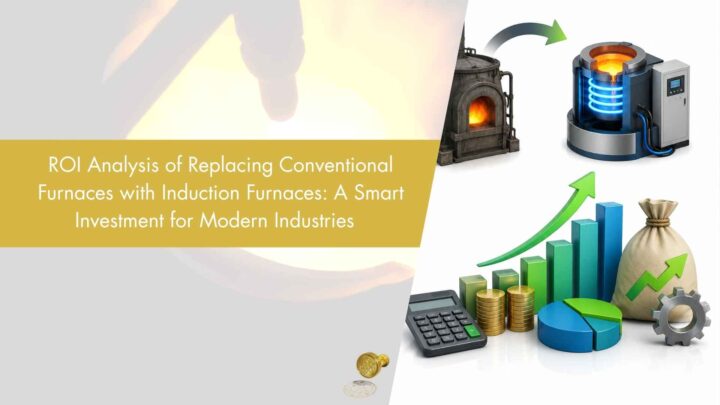
ROI Analysis of Replacing Conventional Furnaces with Induction Furnaces: A Smart Investment for Modern Industries  

By opdel.com

Introduction   In today’s competitive manufacturing environment, industries are constantly searching for ways to reduce operational costs, improve energy efficiency, and increase productivity. One of the most impactful upgrades many metal processing and foundry businesses are considering is replacing conventional furnaces with induction furnaces. Discover the Delmer iD Pro Series Induction Furnace, engineered for precision melting, energy efficiency, and superior performance. While the initial investment may appear significant, the long-term Return on Investment (ROI) often justifies the transition. This article explores the financial, operational, and environmental benefits of switching to induction furnace technology and provides a comprehensive ROI analysis for decision-makers. What Are Conventional Furnaces?   Conventional furnaces typically include: These systems rely on combustion or indirect heating methods to melt metals. Although widely used for decades, they often suffer from: Experience seamless metal casting with the Delmer Continuous Casting Furnace ‘Etna’ cD Series, built for consistency, reliability, and precision. What Is an Induction Furnace?   An induction furnace uses electromagnetic induction to generate heat directly within the metal charge. Unlike traditional heating methods, induction technology transfers energy more efficiently, resulting in faster melting and lower energy waste. Key advantages include: Delmer Static Furnace – Unmatched stability, precision, and performance for flawless melts. Understanding ROI in Furnace Replacement Projects   ROI (Return on Investment) measures how quickly the savings generated by a new furnace recover the initial investment cost. ROI Formula   ROI (%) = [(Annual Savings – Annual Operating Costs) ÷ Investment Cost] × 100 A positive ROI indicates that the investment generates financial benefits over time. Major Cost Factors Affecting ROI   1. Energy Consumption Savings   Energy costs represent one of the largest operational expenses in metal melting operations. Conventional furnaces often operate at: Induction furnaces can achieve: This dramatic improvement significantly reduces electricity or fuel expenses. Example   A foundry producing 10,000 tons annually may reduce energy consumption by 20%–40% after installing an induction furnace. Annual energy savings can reach tens of thousands of dollars depending on local energy prices. 2. Reduced Metal Losses   Traditional furnaces expose molten metal to combustion gases and oxygen, leading to: Induction furnaces provide controlled melting environments that reduce metal loss by 1%–3%. For high-value alloys and specialty metals, these savings can have a substantial impact on profitability. 3. Lower Maintenance Costs   Conventional furnace systems require: Induction furnaces contain fewer mechanical components and eliminate combustion-related equipment. Benefits include: Many facilities report maintenance cost reductions of 25%–50%. 4. Increased Productivity   Induction furnaces offer: As a result, manufacturers can: Higher throughput directly contributes to improved ROI. 5. Labor Cost Optimization   Automation capabilities in induction furnaces reduce manual intervention. This enables: Companies often realize measurable labor savings while improving process consistency. Delmer Etna CD Series – Precision and consistency inspired by Europe’s mightiest volcano. Sample ROI Calculation   Consider a medium-sized steel foundry planning to replace a conventional furnace. Investment Cost   Item Cost Induction Furnace System $400,000 Installation & Training $50,000 Total Investment $450,000 Annual Savings   Source Annual Savings Energy Savings $120,000 Reduced Metal Loss $40,000 Maintenance Savings $30,000 Labor Savings $20,000 Increased Productivity $60,000 Total Savings $270,000 Payback Period   Payback Period = Investment Cost ÷ Annual Savings $450,000 ÷ $270,000 = 1.67 Years The investment pays for itself in approximately 20 months. Five-Year ROI   Total Savings Over 5 Years: $270,000 × 5 = $1,350,000 Net Gain: $1,350,000 − $450,000 = $900,000 ROI: ($900,000 ÷ $450,000) × 100 = 200% This demonstrates how induction furnace technology can deliver substantial long-term financial returns. Modern gold bullion manufacturing equipment can be configured with varying degrees of automation. Environmental Benefits That Improve ROI   Modern industries face increasing environmental regulations and sustainability targets. Induction furnaces support these goals through: Many organizations also qualify for: These incentives further accelerate ROI. Hidden Benefits Often Overlooked   Improved Product Quality   Precise temperature control leads to: Enhanced Workplace Safety   Without open flames or fuel combustion, induction systems create safer working environments. Digital Integration   Modern induction furnaces can integrate with Industry 4.0 technologies, enabling: These capabilities increase operational efficiency and support future manufacturing growth. Investing in a tunnel gold bar casting system requires significant capital expenditure, but the return on investment can be substantial. Challenges to Consider Before Upgrading   Although induction furnaces provide strong returns, businesses should evaluate: Conducting a detailed feasibility study ensures accurate ROI projections and smooth implementation. Delmer Vulcano Series – Where relentless power meets flawless continuous casting. Industries Benefiting Most from Induction Furnaces   Induction furnace technology is widely adopted in: Organizations with high production volumes often achieve the fastest payback periods. Conclusion   Replacing conventional furnaces with induction furnaces is more than a technological upgrade—it is a strategic investment that enhances profitability, operational efficiency, and sustainability. Through lower energy consumption, reduced maintenance costs, improved productivity, and better product quality, businesses can often recover their investment within two years while achieving substantial long-term returns. As energy costs continue to rise and environmental regulations become stricter, induction furnaces are emerging as the preferred solution for manufacturers seeking competitive advantages and sustainable growth. Conducting a thorough ROI analysis can help organizations make informed decisions and unlock significant financial benefits for years to come. for more information visit opdel.com

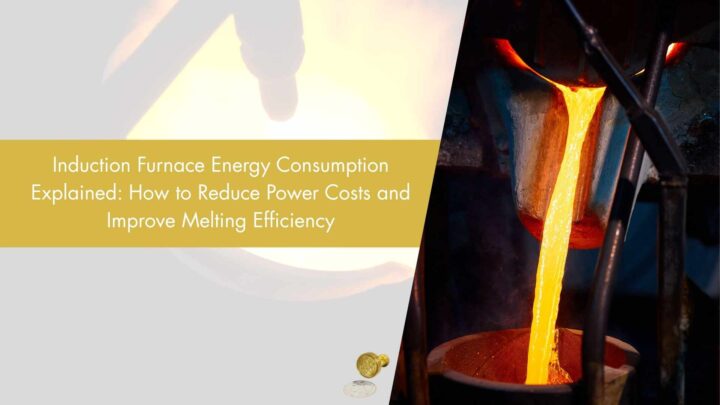
Induction Furnace Energy Consumption Explained: How to Reduce Power Costs and Improve Melting Efficiency  

By opdel.com

Introduction   Energy consumption is one of the most important factors affecting the operating cost of any induction melting system. Whether you are melting gold, silver, copper, brass, steel, or other metals, understanding how an induction furnace consumes electricity can help manufacturers optimize production, reduce operating expenses, and maximize profitability. Discover the Delmer iD Pro Series Induction Furnace, engineered for precision melting, energy efficiency, and superior performance. In this guide, we explain how induction furnaces use energy, what factors influence power consumption, and practical ways to improve furnace efficiency. What Is an Induction Furnace?   An induction furnace is an electrically powered melting system that uses electromagnetic induction to generate heat directly inside the metal charge. Unlike fuel-fired furnaces, induction furnaces transfer energy with high efficiency and precise temperature control. Industries using induction furnaces include: Because the heat is generated directly within the metal, induction furnaces offer faster melting rates and lower energy losses compared to conventional heating methods. Heat treatment furnaces are designed to alter the physical and mechanical properties of metals through controlled heating and cooling, improving hardness, strength, and durability for various industrial applications. How Does an Induction Furnace Consume Energy? An induction furnace converts electrical energy into thermal energy through electromagnetic fields. The basic energy flow is: The amount of electricity consumed depends on: Typical Induction Furnace Energy Consumption   Energy consumption is commonly measured in kilowatt-hours (kWh) per kilogram or ton of metal melted. Approximate values are: Metal Energy Consumption Gold 0.30 – 0.60 kWh/kg Silver 0.25 – 0.55 kWh/kg Copper 0.50 – 0.80 kWh/kg Brass 0.45 – 0.75 kWh/kg Cast Iron 550 – 750 kWh/ton Steel 600 – 800 kWh/ton Actual values vary depending on furnace efficiency and operating conditions. Delmer Etna CD Series induction furnace – Precision and consistency inspired by Europe’s mightiest volcano. Factors Affecting Induction Furnace Energy Consumption   1. Furnace Capacity Utilization   Running a furnace below its rated capacity often increases energy consumption per kilogram. For example: Proper batch sizing significantly improves energy efficiency. 2. Metal Type   Different metals require different amounts of energy because of their: For example, steel requires substantially more energy than gold due to its much higher melting temperature. 3. Charge Material Quality   Clean metal scrap melts faster than contaminated material. Dirty charge materials cause: Using sorted and clean raw materials can reduce overall power consumption. 4. Furnace Insulation   Poor insulation allows heat to escape into the surrounding environment. Modern induction furnaces use: These features help retain heat and reduce electricity usage. Experience seamless metal casting with the Delmer Continuous Casting Furnace ‘Etna’ cD Series, built for consistency, reliability, and precision. 5. Holding Time   Many facilities waste energy by holding molten metal at temperature for extended periods. Each additional hour of holding requires continuous energy input. Efficient production scheduling minimizes holding losses and improves productivity. 6. Power Supply Efficiency   The induction power supply directly impacts overall energy consumption. Modern IGBT-based induction systems typically achieve efficiencies above 90%, while older technologies may consume significantly more electricity. How to Calculate Induction Furnace Energy Consumption   A simple calculation is: Energy Consumption (kWh) = Furnace Power (kW) × Operating Time (Hours) For example: Energy used: 25 × 1.5 = 37.5 kWh If 50 kg of metal is melted: 37.5 ÷ 50 = 0.75 kWh/kg Tracking this value regularly helps identify efficiency improvements and maintenance requirements. Delmer Vulcano Series – Where relentless power meets flawless continuous casting. Ways to Reduce Induction Furnace Power Consumption   Preheat Charge Materials   Preheated metal requires less energy to reach melting temperature. Benefits include: Use Proper Crucible Sizing   An oversized crucible increases heat loss. Selecting the correct crucible size improves energy transfer efficiency and melting performance. Maintain Induction Coils   Damaged or poorly cooled coils reduce energy efficiency. Routine inspection helps maintain maximum power transfer. Reduce Idle Time   Keeping the furnace energized without melting metal wastes electricity. Production planning should minimize unnecessary idle periods. Optimize Cooling Systems   Efficient water cooling improves component life and maintains stable electrical performance. Regular monitoring prevents energy losses caused by overheating. Upgrade to Modern Induction Technology   New-generation induction systems offer: Many manufacturers achieve noticeable energy savings after upgrading older furnace systems. Delmer Static Furnace – Unmatched stability, precision, and performance for flawless melts. Induction Furnace vs Fuel-Fired Furnace Energy Efficiency   Feature Induction Furnace Fuel-Fired Furnace Heating Efficiency High Moderate Temperature Control Excellent Limited Energy Losses Low Higher Emissions Minimal Higher Melting Speed Fast Slower Operating Cost Lower Long-Term Higher Long-Term For most modern metal processing applications, induction furnaces provide superior energy efficiency and production control. Economic Impact of Energy Efficiency   Electricity often represents a major portion of melting costs. Even a small reduction in energy consumption can produce significant annual savings. For example: Annual savings: 500 × 50 = 25,000 kWh Depending on electricity rates, this can translate into substantial cost reductions while improving overall productivity. Explore our 1kg Gold Induction Melting Furnace – 4 Station IGBT System for efficient, high-precision melting that perfectly complements automated gold and silver bar casting operations. Future Trends in Energy-Efficient Induction Furnaces   The induction melting industry continues to evolve with: These innovations are helping manufacturers achieve lower energy consumption and greater operational efficiency. Discover the Delmer iD Pro Series Induction Furnace, engineered for precision melting, energy efficiency, and superior performance. Conclusion   Understanding induction furnace energy consumption is essential for controlling operating costs and improving melting performance. Factors such as furnace loading, metal type, insulation quality, power supply efficiency, and operating practices all influence electricity usage. By implementing energy-saving strategies and investing in modern induction furnace technology, manufacturers can significantly reduce power costs while increasing productivity, melting speed, and product quality. Businesses that actively monitor and optimize energy consumption gain a competitive advantage through lower production costs and more sustainable operations. for more information visit opdel.com Frequently Asked Questions (FAQs)   How much electricity does an induction furnace consume?   Energy consumption varies depending on metal type and furnace efficiency, typically ranging from 0.3 to 0.8 kWh per kilogram of metal melted. What affects induction furnace power consumption the most?   Major factors include…

The Role of Induction Technology in Sustainable Foundry Operations   

By opdel.com

The Role of Induction Technology in Sustainable Foundry Operations   As global industries move toward environmentally responsible manufacturing, foundries are under increasing pressure to improve efficiency, reduce emissions, and minimize resource consumption. Traditional melting methods often consume large amounts of energy and generate significant environmental impacts. This has led many foundries to adopt induction technology as a key solution for sustainable operations. Discover the Delmer iD Pro Series Induction Furnace, engineered for precision melting, energy efficiency, and superior performance. Induction furnaces have transformed modern metal casting by offering cleaner, more energy-efficient, and highly controllable melting processes. From reducing carbon emissions to improving metal quality, induction technology plays a vital role in creating greener and more profitable foundry operations. What is Induction Technology in Foundries?   Induction technology uses electromagnetic induction to generate heat directly within the metal charge. Unlike conventional fuel-fired furnaces, induction furnaces do not rely on combustion. Instead, electrical energy is converted into heat through an electromagnetic field, allowing metals such as iron, steel, copper, aluminum, and alloys to melt efficiently. This process offers precise temperature control, faster melting cycles, and reduced energy waste, making it ideal for modern foundry applications. Heat treatment furnaces are designed to alter the physical and mechanical properties of metals through controlled heating and cooling, improving hardness, strength, and durability for various industrial applications. Why Sustainability Matters in Foundry Operations   Foundries are among the most energy-intensive manufacturing facilities. Rising energy costs, stricter environmental regulations, and growing customer demand for sustainable products have made sustainability a critical business objective. Sustainable foundry operations focus on: Induction technology directly supports all these objectives. Delmer Etna CD Series – Precision and consistency inspired by Europe’s mightiest volcano. Key Benefits of Induction Technology for Sustainable Foundries   1. Improved Energy Efficiency   One of the biggest advantages of induction furnaces is their superior energy efficiency. Since heat is generated directly inside the metal charge, energy losses are significantly lower compared to fuel-based melting systems. Benefits include: Improved energy utilization helps foundries reduce operational costs while minimizing their environmental footprint. 2. Reduced Carbon Emissions   Traditional melting systems often burn fossil fuels, producing carbon dioxide, sulfur compounds, and other harmful emissions. Induction furnaces eliminate direct fuel combustion, significantly reducing air pollution. Environmental advantages include: When powered by renewable energy sources, induction furnaces can further support carbon-neutral manufacturing goals. Experience seamless metal casting with the Delmer Continuous Casting Furnace ‘Etna’ cD Series, built for consistency, reliability, and precision. 3. Enhanced Metal Quality   Sustainability is not only about energy savings but also about reducing material waste. Induction furnaces provide precise temperature control and consistent melting conditions, leading to improved metal quality. Benefits include: Higher-quality melts result in lower rejection rates and less scrap generation. 4. Lower Material Waste   Metal losses during melting can significantly impact production costs and sustainability targets. Induction technology minimizes metal burn-off and oxidation, allowing foundries to maximize material utilization. Advantages include: This helps conserve valuable resources while improving profitability. 5. Better Workplace Environment   Induction furnaces create a cleaner and safer working environment compared to traditional fuel-fired systems. Key improvements include: A healthier workplace contributes to employee well-being and regulatory compliance. Delmer Vulcano Series – Where relentless power meets flawless continuous casting. 6. Precise Process Control and Automation   Modern induction systems can be integrated with advanced automation and digital monitoring technologies. Smart control systems help operators optimize melting parameters in real time. Features include: These technologies improve process efficiency while supporting Industry 4.0 initiatives. Induction Technology and Circular Economy Goals   The foundry industry plays a major role in recycling metals. Induction furnaces are particularly effective for processing recycled scrap materials while maintaining high-quality output. By enabling efficient recycling and reuse of metals, induction technology supports circular economy principles such as: This makes induction melting an essential component of responsible manufacturing strategies. Delmer Static Furnace – Unmatched stability, precision, and performance for flawless melts. Future Trends in Sustainable Foundries   As sustainability standards continue to evolve, induction technology is expected to become even more important. Emerging developments include: These innovations will help foundries achieve greater productivity while meeting environmental targets. Conclusion   Induction technology has become a cornerstone of sustainable foundry operations. By delivering higher energy efficiency, lower emissions, improved metal quality, reduced material waste, and enhanced workplace safety, induction furnaces help foundries balance profitability with environmental responsibility. As industries worldwide focus on greener manufacturing practices, adopting advanced induction melting solutions is no longer just an operational improvement—it is a strategic investment in the future of sustainable metal casting. Businesses that embrace induction technology today will be better positioned to meet regulatory requirements, reduce operating costs, and remain competitive in an increasingly sustainability-driven market. for more information visit opdel.com

Why Manufacturers Are Investing in Automated Induction Furnaces    

By opdel.com

Why Manufacturers Are Investing in Automated Induction Furnaces     Manufacturing industries are continuously seeking ways to improve productivity, reduce operational costs, and maintain consistent product quality. As a result, automated induction furnaces have become a preferred choice for metal melting and heat treatment applications. From foundries and metal processing plants to precious metal refineries, manufacturers are increasingly investing in advanced induction furnace technology to stay competitive in today’s demanding market. Discover the Delmer iD Pro Series Induction Furnace, engineered for precision melting, energy efficiency, and superior performance. This article explores the key reasons behind the growing adoption of automated induction furnaces and how they are transforming modern manufacturing operations. What Is an Automated Induction Furnace?   An automated induction furnace uses electromagnetic induction to generate heat and melt metals efficiently. Unlike traditional fuel-based furnaces, induction furnaces offer precise temperature control, faster melting cycles, and cleaner operations. Automation further enhances these capabilities by integrating programmable controls, sensors, monitoring systems, and intelligent process management. This allows manufacturers to achieve higher efficiency with minimal human intervention. Heat treatment furnaces are designed to alter the physical and mechanical properties of metals through controlled heating and cooling, improving hardness, strength, and durability for various industrial applications. Growing Demand for Automation in Manufacturing   Industry 4.0 has accelerated the shift toward smart manufacturing. Companies are now investing in technologies that provide real-time data, improved process control, and increased operational efficiency. Automated induction furnaces align perfectly with these objectives by offering: Consequently, manufacturers can achieve greater consistency and productivity while minimizing operational risks. Delmer Etna CD Series – Precision and consistency inspired by Europe’s mightiest volcano. Key Reasons Manufacturers Are Investing in Automated Induction Furnaces   1. Improved Production Efficiency   One of the primary reasons for adopting automated induction furnaces is their ability to improve production efficiency significantly. Automated systems can monitor and adjust operating parameters in real time, ensuring optimal melting conditions throughout the process. This reduces downtime, shortens melting cycles, and increases overall output. Manufacturers can therefore produce more metal within the same timeframe, resulting in higher profitability. 2. Consistent Metal Quality   Product quality remains a critical factor in manufacturing success. Variations in melting temperatures and process control can lead to defects and material inconsistencies. Automated induction furnaces provide: As a result, manufacturers achieve superior metal quality and consistent production standards. 3. Lower Energy Consumption   Energy costs represent a significant portion of manufacturing expenses. Traditional melting methods often waste substantial amounts of energy through heat loss. Automated induction furnaces are highly energy-efficient because they generate heat directly within the metal charge. Advanced control systems further optimize power consumption by adjusting energy usage according to process requirements. This leads to: Consequently, manufacturers experience substantial long-term savings. Experience seamless metal casting with the Delmer Continuous Casting Furnace ‘Etna’ cD Series, built for consistency, reliability, and precision. 4. Reduced Labor Costs   Automation helps manufacturers overcome labor shortages while reducing dependence on manual operations. Tasks such as: can be handled automatically through intelligent control systems. This reduces labor costs while allowing skilled personnel to focus on higher-value activities. 5. Enhanced Workplace Safety   Metal melting operations involve extreme temperatures and potentially hazardous working conditions. Automated induction furnaces improve workplace safety by minimizing direct operator interaction with molten metal. Features such as remote controls, automated alarms, and safety interlocks help prevent accidents and equipment damage. As a result, manufacturers create safer working environments and reduce the likelihood of workplace incidents. 6. Better Process Control and Monitoring   Modern automated induction furnaces provide comprehensive process visibility through digital interfaces and monitoring systems. Operators can access real-time information regarding: This enables faster decision-making and more effective process management. 7. Reduced Material Waste   Material waste directly impacts production costs and profitability. Automated induction furnaces ensure precise process control, reducing the likelihood of overheating, metal loss, and alloy inconsistencies. Better control translates into improved yield rates and lower scrap generation. Manufacturers benefit from: 8. Environmental Sustainability   Sustainability has become a major priority for manufacturers worldwide. Compared to conventional fuel-fired furnaces, automated induction furnaces produce fewer emissions and operate with greater energy efficiency. Their cleaner operation helps companies meet environmental regulations and sustainability goals. Benefits include: Delmer Vulcano Series – Where relentless power meets flawless continuous casting. Applications Across Industries   Automated induction furnaces are widely used in various sectors, including: Foundries   For melting iron, steel, aluminum, copper, and other alloys with high precision. Precious Metal Refining   For gold, silver, platinum, and other precious metals requiring strict quality control. Automotive Manufacturing   For producing high-quality castings and components. Aerospace Industry   For specialized alloy processing and precision manufacturing. Jewelry Manufacturing   For consistent melting and casting of precious metals. Their versatility makes them an essential investment for modern industrial operations. Delmer Static Furnace – Unmatched stability, precision, and performance for flawless melts. Future of Automated Induction Furnace Technology   The future of induction furnace technology lies in greater connectivity and intelligent automation. Emerging developments include: These innovations will further improve productivity, reduce operating costs, and enhance manufacturing efficiency. Conclusion   Manufacturers are investing in automated induction furnaces because they offer a powerful combination of efficiency, quality, safety, and sustainability. By reducing energy consumption, minimizing waste, improving process control, and ensuring consistent metal quality, these advanced systems deliver significant competitive advantages. As manufacturing continues to evolve toward automation and smart production, automated induction furnaces will play an increasingly important role in helping businesses achieve higher productivity and long-term growth. Companies that invest in this technology today are positioning themselves for greater success in the future of industrial manufacturing. for more information visit opdel.com