Category: Blog

Your blog category

High-Performance Graphite Solutions for Modern Furnaces: A Complete Industrial Guide  

By opdel.com

High-Performance Graphite Solutions for Modern Furnaces: A Complete Industrial Guide   In today’s fast-evolving manufacturing landscape, efficiency, precision, and durability are critical for success. One material that consistently meets these demands is graphite. Widely used in static furnaces, continuous casting systems, and heat treatment applications, graphite plays a vital role in improving production quality while reducing operational costs. Discover the Delmer iD Pro Series Induction Furnace, engineered for precision melting, energy efficiency, and superior performance. This blog explores how advanced graphite solutions are transforming furnace operations across industries. Understanding the Role of Graphite in High-Temperature Applications   Graphite is uniquely suited for extreme industrial environments due to its exceptional physical and chemical properties: These characteristics make graphite indispensable in handling molten metals like aluminum, copper, gold, and alloys. Discover high-performance vitrified crucibles built for superior thermal resistance and efficient metal melting in demanding furnace applications. Optimizing Static Furnace Performance with Graphite   Static furnaces are commonly used for controlled, batch-based operations where precision is key. Graphite Applications:   Key Advantages:   👉 This makes graphite ideal for jewelry casting, small foundries, and specialty metal processing. Continuous Casting: Enhancing Productivity with Graphite Components   Continuous casting is all about speed, consistency, and output—and graphite is at the core of this process. Common Graphite Components:   Performance Benefits:   👉 Widely used in copper rod manufacturing, aluminum extrusion, and steel processing industries. Achieve safer and more efficient metal melting with continuous casting graphite crucibles featuring a protective jacket for enhanced strength and thermal shock resistance. Graphite in Heat Treatment Furnaces   Heat treatment processes demand materials that can endure repeated heating and cooling cycles without degradation. Graphite Uses:   Benefits:   Key Industries Benefiting from Graphite Furnace Solutions   Graphite is widely adopted across multiple industries, including: High-precision square graphite for melting factories designed for smooth metal flow, excellent thermal stability, and superior surface finish in gold, silver, and non-ferrous metal casting applications. How Graphite Improves Operational Efficiency   Switching to high-quality graphite components can significantly impact your bottom line: 👉 The result: higher productivity with lower operational costs Experience seamless metal casting with the Delmer Continuous Casting Furnace ‘Etna’ cD Series, built for consistency, reliability, and precision. Choosing the Right Graphite Grade for Your Application   Not all graphite is the same. Selecting the correct grade depends on: Custom-engineered graphite solutions ensure optimal performance and longevity. Continuous casting machine produces metal rods, strips, or profiles directly from molten metal in a continuous process, ensuring high productivity, uniform quality, and reduced material wastage. Conclusion   Graphite has become a cornerstone of modern furnace technology. Its unmatched combination of thermal performance, durability, and versatility makes it essential for industries aiming to scale efficiently while maintaining product quality. Whether you’re operating a static furnace for precision work or a continuous casting system for mass production, investing in high-quality graphite solutions is a strategic move toward long-term success. for more information visit opdel.com
Delmer’s Volcano Collection: Power Born from Earth, Perfected for Performance 

By opdel.com

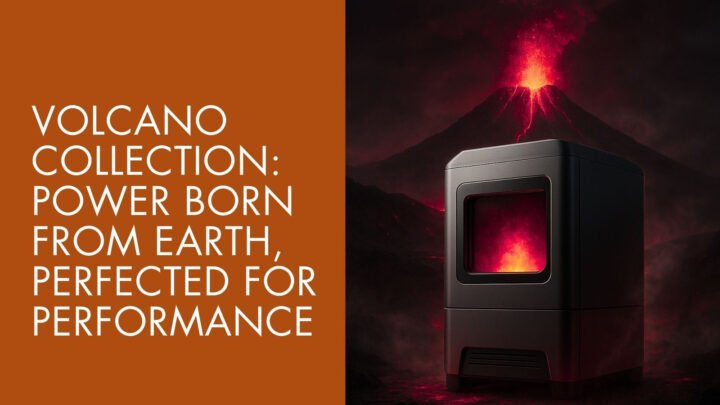
When precision melting meets uncompromising performance, Delmer delivers more than furnaces — we create engineering masterpieces inspired by the raw force of Earth’s most powerful natural wonders. Our Etna, Vulcano, and the latest Stromboli Series draw inspiration from Italy’s legendary volcanoes, known for their unstoppable energy, strength, and endurance. Delmer Vulcano Series – Where unmatched power meets seamless continuous casting technology. Just as these volcanic giants have shaped Italy’s landscapes for centuries, Delmer furnaces are shaping the future of metal melting technology, offering superior reliability, speed, and precision for jewelry makers, goldsmiths, and industrial manufacturers worldwide. Why Volcanoes? The Legacy Behind Our Furnace Names Italy lies at the meeting point of the African and Eurasian tectonic plates, making it home to some of the world’s most iconic and active volcanoes. These natural wonders symbolize energy, endurance, and transformation — the same qualities that define every Delmer furnace. Delmer Etna CD Series – Inspired by the might of Europe’s tallest and most active volcano, ensuring precision and consistency every time. Italy’s Most Famous Active Volcanoes Mount Etna (Sicily) Europe’s tallest and most active volcano (approx. 3,357 m) Known for frequent explosive and effusive eruptions A UNESCO World Heritage Site, symbolizing resilience and raw power Stromboli (Aeolian Islands) Called the “Lighthouse of the Mediterranean” for its near-continuous activity Famous for small yet frequent spectacular eruptions The inspiration for Delmer’s Stromboli Series, a symbol of constant performance and reliability Vesuvius (Campania, near Naples) Known for the catastrophic AD 79 eruption that buried Pompeii Dormant since 1944, yet still active — a reminder of latent power Represents hidden strength and potential, much like Delmer Static Furnaces Other Notable Volcanoes and Their Symbolism Vulcano (Aeolian Islands) – Origin of the word “volcano,” last erupted in 1890. Still active with fumarolic activity, representing power and transformation. Campi Flegrei (Phlegraean Fields) – A massive caldera with underground volcanic activity, symbolizing unpredictable energy and force. Ischia (near Naples) – Mostly dormant but historically active, showcasing endurance and heritage. From Earth’s Core to Your Workshop: Why Choose Delmer? Our volcano-inspired furnace series brings this elemental power to modern metal melting. Every model is engineered for high-intensity melting and precise control, ensuring: ✔ Rapid heating with superior energy efficiency✔ Uniform temperature distribution for consistent results✔ Advanced safety features and reliability✔ Optimized performance for melting precious metals When you choose Opdel, you’re investing in cutting-edge technology combined with the raw inspiration of nature, perfected by Italian engineering excellence.

Understanding the Gold Melting and Assaying Process 

By opdel.com

Gold has been a symbol of wealth and value for centuries. Whether in jewelry, investment, or industrial applications, ensuring the purity and authenticity of gold is crucial. The processes of gold melting and assaying play a vital role in refining and verifying gold content. In this blog, we will explore the significance of these processes and their impact on the gold industry. What is Gold Melting? Gold melting is the process of heating gold to its melting point (1,064°C or 1,947°F) to turn it into a liquid state. This is typically done to refine gold, remove impurities, and prepare it for further processing. Modern methods of gold melting include: Induction Melting – Uses electromagnetic induction to generate heat, making it efficient and precise. Gas Furnace Melting – Utilizes propane, natural gas, or oxygen-fueled flames to achieve the required temperature. Electric Arc Melting – Employs an electric arc to melt gold quickly and effectively. Why is Gold Melting Important?   Purity Enhancement: Helps separate impurities and unwanted metals. Recycling and Refining: Converts old gold jewelry and scrap into reusable gold bars or coins. Manufacturing: Essential for creating gold products in industries like jewelry and electronics. Understanding the Gold Assaying Process   Gold assaying is the process of determining the purity and composition of gold. It is a crucial step in verifying gold quality before refining, selling, or purchasing. The most common methods of gold assaying include: Fire Assay (Cupellation Method) Considered the most accurate method. Involves heating gold with lead, which absorbs base metals, leaving behind pure gold. X-ray Fluorescence (XRF) Analysis A non-destructive method using X-ray technology. Provides quick and precise gold content analysis. Touchstone Testing Traditional method using nitric acid and a touchstone. Less accurate but widely used for preliminary testing. Why is Gold Assaying Important? Ensures Authenticity: Determines if gold meets industry standards. Fair Pricing: Helps buyers and sellers negotiate based on actual gold content. Regulatory Compliance: Ensures adherence to legal purity standards. Gold Melting and Assaying: The Backbone of the Gold Industry Both melting and assaying are integral to the gold supply chain. From miners to jewelers, these processes help maintain the quality and trustworthiness of gold products. Understanding these methods ensures informed decisions when buying, selling, or refining gold. Final Thoughts Gold melting and assaying are essential processes that determine gold’s purity, value, and usability. Whether you’re an investor, jeweler, or enthusiast, knowing how gold is refined and tested helps in making informed choices. As technology advances, these processes continue to evolve, ensuring greater precision and efficiency in the gold industry. For reliable gold refining and assaying services, trust industry experts who follow the highest quality standards. Stay informed and invest wisely in gold! Opdel is a company strongly focused on research and innovation.

Static Melting Furnaces Explained : Bench, Tilting, Electric, and Induction

By opdel.com

Metal melting is a crucial process in various industries, from jewelry making to large scale industrial metalworking. Static melting furnaces offer a stable and efficient way to melt metals with precision and reliability. These furnaces are designed to handle high temperatures and are commonly used in foundries, metal casting, and manufacturing.  In this blog, we will explore the different types of static melting furnaces, including bench melting furnaces, tilting melting furnaces, electric melting furnaces, static furnace ST, and induction furnaces. 1. Bench Melting Furnace: Compact and Efficient Bench melting furnaces are small but powerful, making them ideal for small-scale operations like jewelry workshops and laboratories. They provide efficient melting for precious and non ferrous metals such as gold, silver, and copper. Benefits of Bench Melting Furnaces:  ●Perfect for small batches and precision melting. ●Compact design for space-saving operations. ●Quick heating with energy efficiency. ●Simple operation and maintenance. 2. Tilting Melting Furnace: Enhanced Control and Efficiency Tilting melting furnaces are widely used in medium to large scale industrial operations.Their tilting mechanism allows for easy and safe pouring of molten metal, minimizing spillage and improving workflow efficiency. Advantages of Tilting Melting Furnaces:  ●Reduces manual handling, enhancing safety. ●Suitable for melting aluminum, brass, and other metals. ●Ensures uniform heat distribution for better melting. ●Available in gas, induction, and electric models. 3. Electric Melting Furnace: Eco-Friendly and Cost-Effective Electric melting furnaces have become popular due to their energy efficiency and precision. These furnaces use electric resistance or induction heating, making them an eco-friendly alternative to traditional fuel-based furnaces. Why Choose an Electric Furnace? ●Environmentally friendly with zero emissions. ●Accurate temperature control for consistent results. ●Lower operational costs compared to fuel-powered furnaces. ●Suitable for a variety of metals, including steel and iron. 4. Static Furnace ST: Stability and High Performance The Static Furnace ST is designed for long-lasting and high performance melting processes. These furnaces are known for their ability to maintain consistent heat levels, making them ideal for industrial-scale metal processing. Features of Static Furnace ST:  ●Durable and highly efficient for prolonged operations. ●Maintains stable temperatures for uniform melting. ●Suitable for large-scale metal melting applications. ●Minimal maintenance required. 5. Induction Furnace: Fast and Energy-Efficient Induction furnaces use electromagnetic induction to generate heat, providing rapid and efficient metal melting.  These furnaces are widely used in foundries for melting a variety of metals, including steel, iron, and non ferrous materials. Benefits of Induction Furnaces: ●Faster melting times than traditional furnaces. ●Low energy consumption and reduced operating costs. ●Clean and safe operation with no direct combustion. ●Ideal for high-volume melting applications. Conclusion Selecting the right static melting furnace depends on your specific needs. Bench melting furnaces are great for small scale applications, tilting furnaces offer efficiency and ease of use, electric furnaces provide an eco friendly  solution, Static Furnace ST ensures stability for industrial use, and induction furnaces deliver speed and efficiency.  By understanding these options, you can choose the best furnace to optimize your metal melting operations.

Induction Furnace for Jewelry Making: Enhancing Precision and Efficiency

By opdel.com

Introduction Jewelry making requires the precise melting of precious metals like gold, silver, and platinum. Traditional melting methods often result in metal loss, oxidation, and inconsistent heating. Induction furnaces have transformed the industry by offering energy-efficient, eco friendly, and highly precise melting solutions. These furnaces ensure minimal waste, uniform metal quality, and faster processing, making them an essential tool for modern jewelry manufacturing. This blog explores the significance of induction furnaces in jewelry making and their various applications. Why Use Induction Furnaces for Jewelry Making? Induction furnaces offer several advantages over traditional melting methods: ●High Energy Efficiency: Reduces power consumption while delivering superior melting performance. ●Precise Temperature Control: Ensures uniform heating, preventing overheating or contamination. ●Eco Friendly Process: Produces minimal emissions, reducing the environmental impact. ●Faster Melting Time: Speeds up production, increasing efficiency in jewelry making. ●Cost-Effective Solution: Minimizes metal wastage and improves overall productivity. Types of Induction Furnaces Used in Jewelry Making 1. Static Furnace: Efficient Metal Melting Static induction furnaces are widely used for melting precious metals before they are  shaped into jewelry. These furnaces provide stable and uniform heating, ensuring high metal purity. Key Benefits:  ●Precise temperature control reduces impurities. ●Ensures even melting, preventing metal contamination. ●Compact and efficient design for jewelry workshops. 2. Continuous Casting Machines: Seamless Jewelry Production Continuous casting machines are essential for producing jewelry components such as wires, rods, and sheets. This automated system allows for high-quality output with minimal defects. Key Benefits: ●Ideal for mass production with consistent quality. ●Reduces defects and material wastage. ●Enhances production speed and efficiency. 3. Heat Treatment Furnaces: Enhancing Metal Properties Heat treatment furnaces are used for annealing, stress relieving, and hardening metal jewelry components. This process improves the durability and malleability of the metal. Key Benefits:                                                                                                                    ●Enhances jewelry durability and longevity. ●Ensures uniform heat treatment for improved malleability. ●Reduces internal stress in jewelry components, preventing cracks. 4. Vacuum Casting Machines: High-Precision Jewelry Casting Vacuum casting machines are designed to produce high-quality, intricate jewelry pieces. They eliminate air bubbles and oxidation, ensuring a flawless finish. Key Benefits: ●Perfect for detailed and complex jewelry designs. ●Prevents oxidation and porosity in metal casting. ●Ensures a high precision and smooth surface finish. 5. Tunnel Casting for Gold & Silver Bars: Precision in Bullion Manufacturing Tunnel casting is a specialized process for producing investment-grade gold and silver bars. This method ensures  uniform weight, dimensions, and metal purity. Key Benefits:  ●Produces high purity gold and silver bars. ●Automated casting process ensures accuracy and efficiency. ●Reduces material loss and enhances bullion quality. Conclusion Induction furnaces have transformed jewelry manufacturing by offering energy-efficient, precise, and sustainable metal melting and casting solutions. Whether you need a static furnace for melting, a continuous casting machine for mass production, or a vacuum casting machine for intricate designs, induction technology ensures superior quality and productivity.

What Is Silver’s Melting Point and Why Does It Matter? 

By opdel.com

Silver, one of the most valued metals in the world, has been cherished for centuries for its brilliant sheen and versatility. Whether you’re a jeweller, a metallurgist, or simply curious, understanding the melting point of silver is essential for its effective use. But what exactly is silver’s melting point, and why does it hold such significance? For more information, visit Static Induction Furnace The Melting Point of Silver   The melting point of pure silver is 961.8°C (1,763.24°F). This temperature is the threshold at which silver transitions from a solid to a liquid state under normal atmospheric pressure. However, it’s important to note that the presence of impurities or alloys, such as in sterling silver (which is 92.5% silver and 7.5% other metals like copper), can slightly alter this melting point. Why Does Silver’s Melting Point Matter?   Manufacturing and CraftsmanshipSilver’s melting point plays a critical role in industries such as jewelry making and metalworking. Knowing the precise temperature ensures that the metal can be melted and molded without compromising its quality. Industrial ApplicationsSilver is widely used in electronics, solar panels, and other high-tech applications. For these purposes, controlling its melting and solidifying process is crucial for achieving the desired properties and performance. Purification and RecyclingThe recycling process of silver involves melting it down to remove impurities. Understanding the exact melting point helps separate pure silver from contaminants efficiently. Investment and StorageFor investors dealing with silver bullion, the melting point is important to authenticate the purity and quality of the metal. Scientific ResearchSilver’s melting point is essential in material science research, particularly in studying its thermal and conductive properties. Factors Affecting Silver’s Melting Point   Purity: Impurities lower the melting point. Atmosphere: Conditions such as a vacuum or inert gases can influence melting behaviour. Alloy Composition: Combining silver with other metals alters its melting characteristics. How to Melt Silver Safely?   If you’re melting silver for a project, safety is paramount. Use a furnace capable of reaching high temperatures, wear protective gear, and work in a well-ventilated area. Additionally, tools such as crucibles and tongs made of heat-resistant materials are essential for handling molten silver safely. Conclusion   Silver’s melting point is more than just a number; it’s a vital property that impacts its usability across various fields. From crafting exquisite jewelry to advancing cutting-edge technology, the knowledge of this melting point ensures that silver remains a valuable resource in our daily lives. Whether you’re an artisan, a scientist, or an investor, understanding silver’s melting point empowers you to make the most of this precious metal. For More information, visit opdel.com