The Role of Induction Furnaces in Precious Metal Casting
Introduction
Precious metal casting is a critical process in industries such as jewelry manufacturing, bullion production, electronics, aerospace, and investment-grade metal refining. Achieving exceptional quality, purity, and consistency when casting gold, silver, platinum, and other precious metals requires advanced melting technology. Among the various melting methods available today, induction furnaces have become the preferred choice for manufacturers and refiners worldwide.
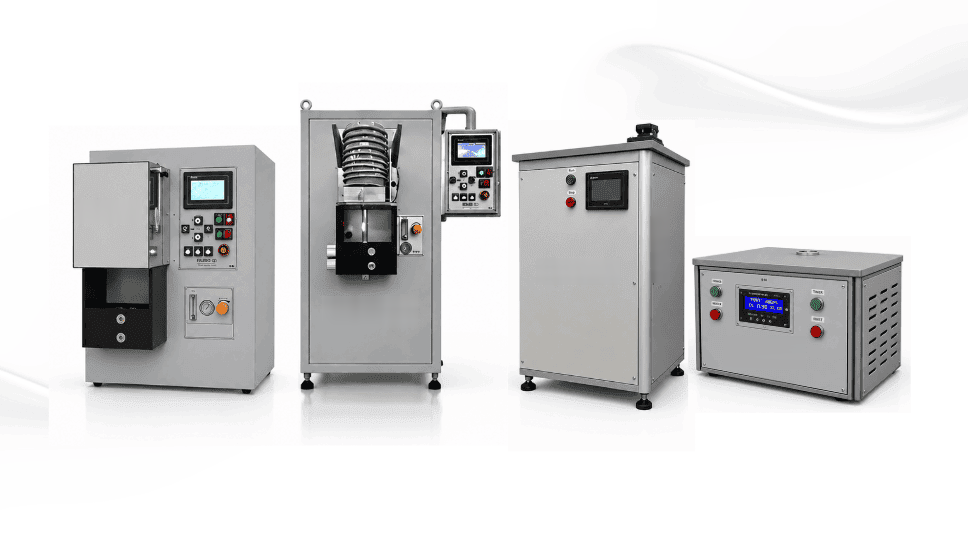
Their ability to provide precise temperature control, energy efficiency, contamination-free melting, and repeatable results makes them indispensable in modern precious metal processing facilities.
Discover the OPDEL iD Pro Series Induction Furnace, engineered for precision melting, energy efficiency, and superior performance.
In this article, we explore the role of induction furnaces in precious metal casting and why they are transforming the precious metals industry.
What Is an Induction Furnace?
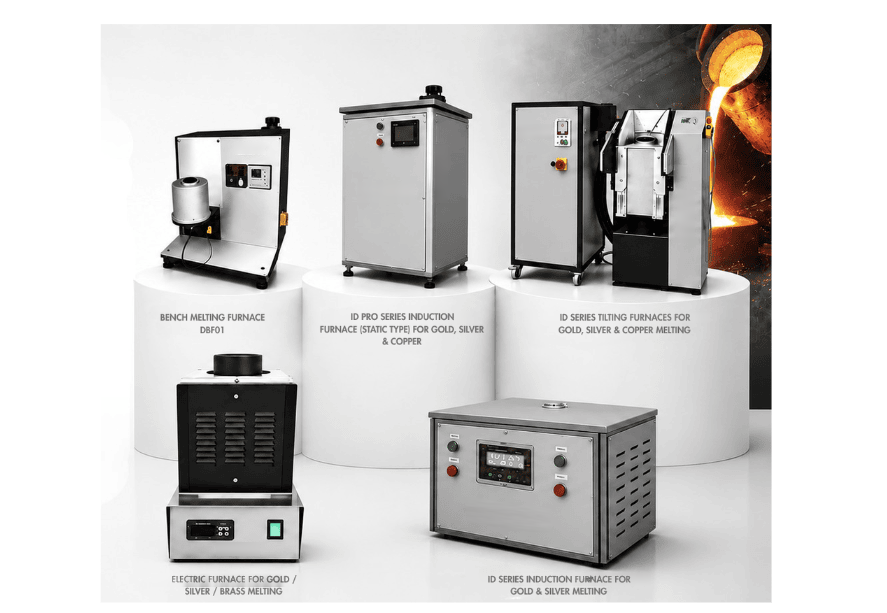
An induction furnace is an advanced heating system that uses electromagnetic induction to generate heat directly within a metal charge. Unlike traditional fuel-fired furnaces, induction furnaces do not rely on combustion to create heat.
The process involves:
- Generating a high-frequency electromagnetic field
- Inducing electrical currents within the metal
- Producing rapid and uniform heating
- Melting metals efficiently and precisely
This technology is particularly beneficial for precious metals where maintaining purity and minimizing material loss are essential.
Heat treatment furnaces are designed to alter the physical and mechanical properties of metals through controlled heating and cooling, improving hardness, strength, and durability for various industrial applications.
Why Precious Metal Casting Demands Precision
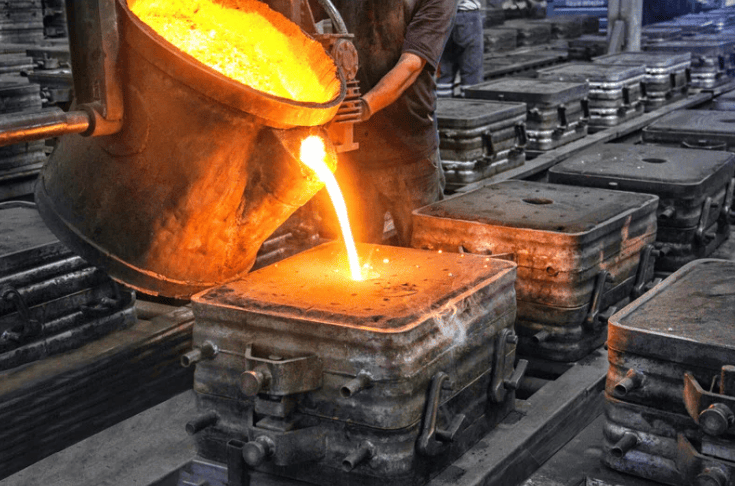
Precious metals such as gold and silver have significant intrinsic value. Even minor production errors can result in substantial financial losses.
OPDEL Etna CD Series – Precision and consistency inspired by Europe’s mightiest volcano.
Key challenges in precious metal casting include:
- Maintaining metal purity
- Preventing oxidation
- Achieving consistent alloy composition
- Minimizing metal loss
- Controlling melting temperatures accurately
- Producing defect-free castings
Induction furnaces address all these challenges while improving operational efficiency.
Key Roles of Induction Furnaces in Precious Metal Casting
1. Precise Temperature Control
Temperature control is one of the most important aspects of precious metal casting.
Overheating can cause:
- Metal degradation
- Increased oxidation
- Material loss through evaporation
- Reduced casting quality
Induction furnaces offer highly accurate temperature regulation, allowing operators to maintain optimal melting conditions throughout the process.
Benefits include:
- Improved casting consistency
- Better surface finish
- Reduced defects
- Enhanced product quality
Experience seamless metal casting with the OPDEL Continuous Casting Furnace ‘Etna’ cD Series, built for consistency, reliability, and precision.
2. Preserving Metal Purity
Maintaining purity is critical when casting investment-grade gold and silver bars.
Traditional fuel-based heating systems may introduce contaminants into the melt. In contrast, induction furnaces provide a clean and controlled melting environment.
Advantages include:
- Minimal contamination risk
- Reduced chemical reactions
- Cleaner melts
- Higher-quality finished products
This is especially important for bullion manufacturers and precious metal refineries that must meet strict purity standards.
3. Faster Melting Cycles
Modern induction furnaces can melt precious metals significantly faster than conventional heating methods.
Rapid heating offers:
- Increased production capacity
- Reduced operating costs
- Improved workflow efficiency
- Faster turnaround times
Manufacturers can process more batches while maintaining exceptional quality standards.
4. Uniform Metal Heating
Uneven heating can create problems such as:
- Inconsistent alloy composition
- Poor metal flow
- Casting defects
- Structural weaknesses
Induction furnaces generate electromagnetic stirring within the molten metal, promoting uniform heat distribution.
This ensures:
- Consistent alloy quality
- Improved homogeneity
- Better mold filling
- Superior casting performance
5. Reduced Precious Metal Loss
Material loss is a major concern when working with high-value metals.
Induction melting minimizes:
- Oxidation losses
- Burn-off losses
- Metal wastage
- Slag formation
The result is higher metal recovery rates and improved profitability for refiners and manufacturers.
6. Energy-Efficient Operation
Energy consumption significantly impacts production costs.
Induction furnaces are highly energy-efficient because heat is generated directly within the metal rather than transferred through an external source.
Benefits include:
- Lower electricity consumption
- Reduced operating expenses
- Higher productivity
- Improved sustainability
This makes induction technology an environmentally responsible choice for modern casting operations.
OPDEL Vulcano Series – Where relentless power meets flawless continuous casting.
7. Ideal for Gold and Silver Bar Production
Many refineries use induction furnaces to manufacture:
- Gold bullion bars
- Silver bullion bars
- Investment-grade ingots
- Custom precious metal products
The technology enables:
- Consistent weight accuracy
- Superior surface finish
- Excellent dimensional stability
- Reliable product quality
These advantages are crucial for meeting international bullion standards.
8. Enhanced Process Automation
Modern induction furnace systems can be integrated with advanced automation technologies.
Features often include:
- Digital temperature monitoring
- Automated power control
- Data logging systems
- Process optimization software
Automation helps improve:
- Product consistency
- Production efficiency
- Quality control
- Operational safety
Applications of Induction Furnaces in Precious Metal Industries
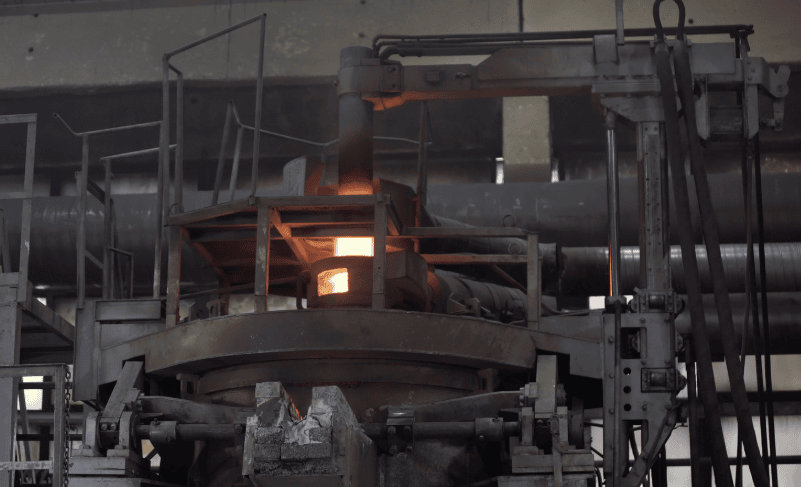
Induction furnaces are widely used across various sectors, including:
Jewelry Manufacturing
- Gold jewelry casting
- Silver jewelry production
- Custom alloy preparation
- Precision component manufacturing
Precious Metal Refineries
- Gold refining
- Silver refining
- Bullion production
- Precious metal recovery
Electronics Industry
- High-purity metal processing
- Electrical contact manufacturing
- Specialized component production
Investment Bullion Production
- Gold bars
- Silver bars
- Commemorative products
- Investment-grade ingots
OPDEL Static Furnace – Unmatched stability, precision, and performance for flawless melts.
Why Leading Refineries Prefer Induction Furnaces
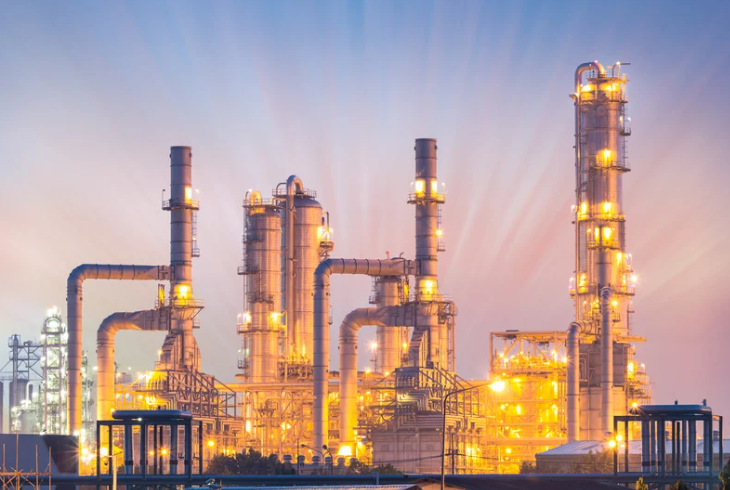
Refineries worldwide continue to adopt induction furnace technology because it delivers:
- Superior metal quality
- High production efficiency
- Reduced operational costs
- Better energy utilization
- Improved workplace safety
- Consistent casting results
- Lower environmental impact
These benefits provide a competitive advantage in today’s demanding precious metals market.
Future of Precious Metal Casting with Induction Technology
As the precious metals industry continues to evolve, induction furnaces are expected to play an even greater role in refining and casting operations.
Emerging trends include:
- Smart furnace monitoring systems
- AI-driven process optimization
- Advanced automation integration
- Higher energy efficiency standards
- Sustainable manufacturing practices
Manufacturers investing in induction technology today are positioning themselves for long-term growth and operational excellence.
Conclusion
Induction furnaces have revolutionized precious metal casting by delivering unmatched precision, efficiency, and reliability. Their ability to preserve metal purity, reduce material loss, ensure uniform heating, and improve production efficiency makes them the preferred solution for modern gold and silver processing facilities.
Whether producing bullion bars, jewelry components, or high-purity precious metal products, induction furnace technology provides the performance and consistency required to meet the highest industry standards. As demand for premium-quality precious metal products continues to grow, induction furnaces will remain at the heart of advanced casting and refining operations worldwide.
for more information visit opdel.com
Meta Title
The Role of Induction Furnaces in Precious Metal Casting | Complete Guide
Meta Description
Discover how induction furnaces improve precious metal casting through precise temperature control, energy efficiency, reduced metal loss, and superior gold and silver bar production.