Month: March 2025

Understanding the Gold Melting and Assaying Process 

By opdel.com

Gold has been a symbol of wealth and value for centuries. Whether in jewelry, investment, or industrial applications, ensuring the purity and authenticity of gold is crucial. The processes of gold melting and assaying play a vital role in refining and verifying gold content. In this blog, we will explore the significance of these processes and their impact on the gold industry. What is Gold Melting? Gold melting is the process of heating gold to its melting point (1,064°C or 1,947°F) to turn it into a liquid state. This is typically done to refine gold, remove impurities, and prepare it for further processing. Modern methods of gold melting include: Induction Melting – Uses electromagnetic induction to generate heat, making it efficient and precise. Gas Furnace Melting – Utilizes propane, natural gas, or oxygen-fueled flames to achieve the required temperature. Electric Arc Melting – Employs an electric arc to melt gold quickly and effectively. Why is Gold Melting Important?   Purity Enhancement: Helps separate impurities and unwanted metals. Recycling and Refining: Converts old gold jewelry and scrap into reusable gold bars or coins. Manufacturing: Essential for creating gold products in industries like jewelry and electronics. Understanding the Gold Assaying Process   Gold assaying is the process of determining the purity and composition of gold. It is a crucial step in verifying gold quality before refining, selling, or purchasing. The most common methods of gold assaying include: Fire Assay (Cupellation Method) Considered the most accurate method. Involves heating gold with lead, which absorbs base metals, leaving behind pure gold. X-ray Fluorescence (XRF) Analysis A non-destructive method using X-ray technology. Provides quick and precise gold content analysis. Touchstone Testing Traditional method using nitric acid and a touchstone. Less accurate but widely used for preliminary testing. Why is Gold Assaying Important? Ensures Authenticity: Determines if gold meets industry standards. Fair Pricing: Helps buyers and sellers negotiate based on actual gold content. Regulatory Compliance: Ensures adherence to legal purity standards. Gold Melting and Assaying: The Backbone of the Gold Industry Both melting and assaying are integral to the gold supply chain. From miners to jewelers, these processes help maintain the quality and trustworthiness of gold products. Understanding these methods ensures informed decisions when buying, selling, or refining gold. Final Thoughts Gold melting and assaying are essential processes that determine gold’s purity, value, and usability. Whether you’re an investor, jeweler, or enthusiast, knowing how gold is refined and tested helps in making informed choices. As technology advances, these processes continue to evolve, ensuring greater precision and efficiency in the gold industry. For reliable gold refining and assaying services, trust industry experts who follow the highest quality standards. Stay informed and invest wisely in gold! Opdel is a company strongly focused on research and innovation.

Static Melting Furnaces Explained : Bench, Tilting, Electric, and Induction

By opdel.com

Metal melting is a crucial process in various industries, from jewelry making to large scale industrial metalworking. Static melting furnaces offer a stable and efficient way to melt metals with precision and reliability. These furnaces are designed to handle high temperatures and are commonly used in foundries, metal casting, and manufacturing.  In this blog, we will explore the different types of static melting furnaces, including bench melting furnaces, tilting melting furnaces, electric melting furnaces, static furnace ST, and induction furnaces. 1. Bench Melting Furnace: Compact and Efficient Bench melting furnaces are small but powerful, making them ideal for small-scale operations like jewelry workshops and laboratories. They provide efficient melting for precious and non ferrous metals such as gold, silver, and copper. Benefits of Bench Melting Furnaces:  ●Perfect for small batches and precision melting. ●Compact design for space-saving operations. ●Quick heating with energy efficiency. ●Simple operation and maintenance. 2. Tilting Melting Furnace: Enhanced Control and Efficiency Tilting melting furnaces are widely used in medium to large scale industrial operations.Their tilting mechanism allows for easy and safe pouring of molten metal, minimizing spillage and improving workflow efficiency. Advantages of Tilting Melting Furnaces:  ●Reduces manual handling, enhancing safety. ●Suitable for melting aluminum, brass, and other metals. ●Ensures uniform heat distribution for better melting. ●Available in gas, induction, and electric models. 3. Electric Melting Furnace: Eco-Friendly and Cost-Effective Electric melting furnaces have become popular due to their energy efficiency and precision. These furnaces use electric resistance or induction heating, making them an eco-friendly alternative to traditional fuel-based furnaces. Why Choose an Electric Furnace? ●Environmentally friendly with zero emissions. ●Accurate temperature control for consistent results. ●Lower operational costs compared to fuel-powered furnaces. ●Suitable for a variety of metals, including steel and iron. 4. Static Furnace ST: Stability and High Performance The Static Furnace ST is designed for long-lasting and high performance melting processes. These furnaces are known for their ability to maintain consistent heat levels, making them ideal for industrial-scale metal processing. Features of Static Furnace ST:  ●Durable and highly efficient for prolonged operations. ●Maintains stable temperatures for uniform melting. ●Suitable for large-scale metal melting applications. ●Minimal maintenance required. 5. Induction Furnace: Fast and Energy-Efficient Induction furnaces use electromagnetic induction to generate heat, providing rapid and efficient metal melting.  These furnaces are widely used in foundries for melting a variety of metals, including steel, iron, and non ferrous materials. Benefits of Induction Furnaces: ●Faster melting times than traditional furnaces. ●Low energy consumption and reduced operating costs. ●Clean and safe operation with no direct combustion. ●Ideal for high-volume melting applications. Conclusion Selecting the right static melting furnace depends on your specific needs. Bench melting furnaces are great for small scale applications, tilting furnaces offer efficiency and ease of use, electric furnaces provide an eco friendly  solution, Static Furnace ST ensures stability for industrial use, and induction furnaces deliver speed and efficiency.  By understanding these options, you can choose the best furnace to optimize your metal melting operations.

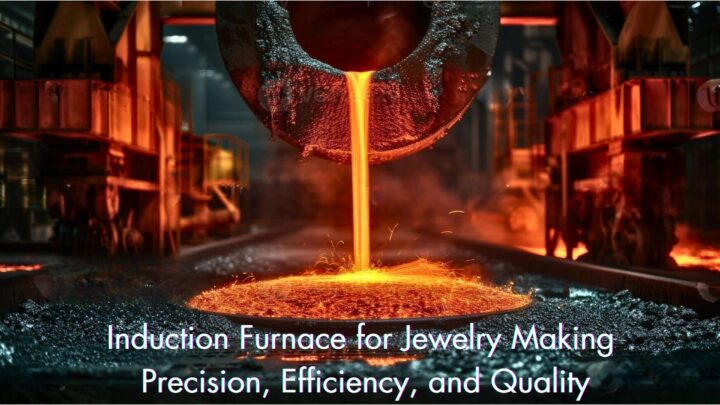
Induction Furnace for Jewelry Making: Enhancing Precision and Efficiency

By opdel.com

Introduction Jewelry making requires the precise melting of precious metals like gold, silver, and platinum. Traditional melting methods often result in metal loss, oxidation, and inconsistent heating. Induction furnaces have transformed the industry by offering energy-efficient, eco friendly, and highly precise melting solutions. These furnaces ensure minimal waste, uniform metal quality, and faster processing, making them an essential tool for modern jewelry manufacturing. This blog explores the significance of induction furnaces in jewelry making and their various applications. Why Use Induction Furnaces for Jewelry Making? Induction furnaces offer several advantages over traditional melting methods: ●High Energy Efficiency: Reduces power consumption while delivering superior melting performance. ●Precise Temperature Control: Ensures uniform heating, preventing overheating or contamination. ●Eco Friendly Process: Produces minimal emissions, reducing the environmental impact. ●Faster Melting Time: Speeds up production, increasing efficiency in jewelry making. ●Cost-Effective Solution: Minimizes metal wastage and improves overall productivity. Types of Induction Furnaces Used in Jewelry Making 1. Static Furnace: Efficient Metal Melting Static induction furnaces are widely used for melting precious metals before they are  shaped into jewelry. These furnaces provide stable and uniform heating, ensuring high metal purity. Key Benefits:  ●Precise temperature control reduces impurities. ●Ensures even melting, preventing metal contamination. ●Compact and efficient design for jewelry workshops. 2. Continuous Casting Machines: Seamless Jewelry Production Continuous casting machines are essential for producing jewelry components such as wires, rods, and sheets. This automated system allows for high-quality output with minimal defects. Key Benefits: ●Ideal for mass production with consistent quality. ●Reduces defects and material wastage. ●Enhances production speed and efficiency. 3. Heat Treatment Furnaces: Enhancing Metal Properties Heat treatment furnaces are used for annealing, stress relieving, and hardening metal jewelry components. This process improves the durability and malleability of the metal. Key Benefits:                                                                                                                    ●Enhances jewelry durability and longevity. ●Ensures uniform heat treatment for improved malleability. ●Reduces internal stress in jewelry components, preventing cracks. 4. Vacuum Casting Machines: High-Precision Jewelry Casting Vacuum casting machines are designed to produce high-quality, intricate jewelry pieces. They eliminate air bubbles and oxidation, ensuring a flawless finish. Key Benefits: ●Perfect for detailed and complex jewelry designs. ●Prevents oxidation and porosity in metal casting. ●Ensures a high precision and smooth surface finish. 5. Tunnel Casting for Gold & Silver Bars: Precision in Bullion Manufacturing Tunnel casting is a specialized process for producing investment-grade gold and silver bars. This method ensures  uniform weight, dimensions, and metal purity. Key Benefits:  ●Produces high purity gold and silver bars. ●Automated casting process ensures accuracy and efficiency. ●Reduces material loss and enhances bullion quality. Conclusion Induction furnaces have transformed jewelry manufacturing by offering energy-efficient, precise, and sustainable metal melting and casting solutions. Whether you need a static furnace for melting, a continuous casting machine for mass production, or a vacuum casting machine for intricate designs, induction technology ensures superior quality and productivity.