Introduction
Energy consumption is one of the most important factors affecting the operating cost of any induction melting system. Whether you are melting gold, silver, copper, brass, steel, or other metals, understanding how an induction furnace consumes electricity can help manufacturers optimize production, reduce operating expenses, and maximize profitability.
Discover the OPDEL iD Pro Series Induction Furnace, engineered for precision melting, energy efficiency, and superior performance.
In this guide, we explain how induction furnaces use energy, what factors influence power consumption, and practical ways to improve furnace efficiency.
What Is an Induction Furnace?
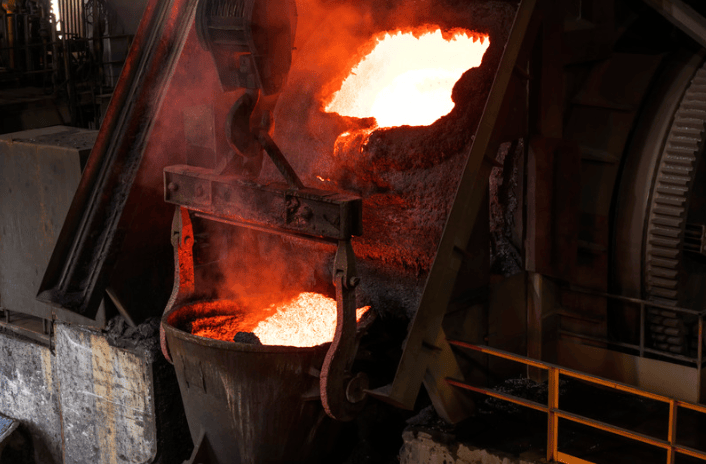
An induction furnace is an electrically powered melting system that uses electromagnetic induction to generate heat directly inside the metal charge. Unlike fuel-fired furnaces, induction furnaces transfer energy with high efficiency and precise temperature control.
Industries using induction furnaces include:
- Precious metal refining
- Jewelry manufacturing
- Foundries
- Steel production
- Copper and brass casting
- Research laboratories
Because the heat is generated directly within the metal, induction furnaces offer faster melting rates and lower energy losses compared to conventional heating methods.
Heat treatment furnaces are designed to alter the physical and mechanical properties of metals through controlled heating and cooling, improving hardness, strength, and durability for various industrial applications.
How Does an Induction Furnace Consume Energy?
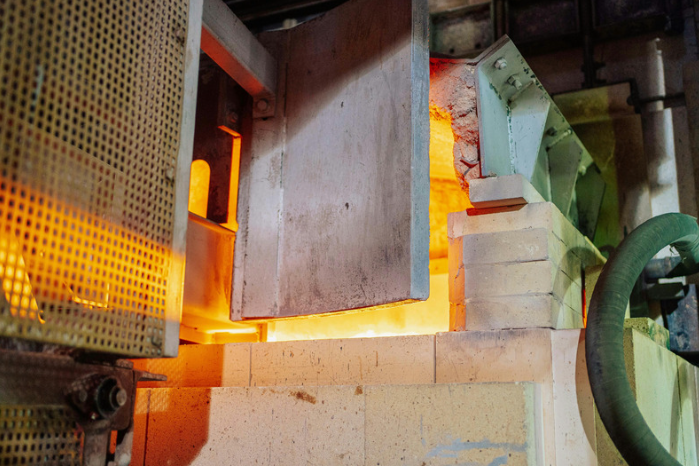
An induction furnace converts electrical energy into thermal energy through electromagnetic fields.
The basic energy flow is:
- Electrical power enters the induction power supply.
- High-frequency current passes through the induction coil.
- A magnetic field is generated around the crucible.
- Eddy currents are induced within the metal.
- The metal heats up and melts.
The amount of electricity consumed depends on:
- Furnace capacity
- Metal type
- Initial metal temperature
- Melting temperature
- Furnace design
- Power supply efficiency
- Operator practices
Typical Induction Furnace Energy Consumption
Energy consumption is commonly measured in kilowatt-hours (kWh) per kilogram or ton of metal melted.
Approximate values are:
| Metal | Energy Consumption |
| Gold | 0.30 – 0.60 kWh/kg |
| Silver | 0.25 – 0.55 kWh/kg |
| Copper | 0.50 – 0.80 kWh/kg |
| Brass | 0.45 – 0.75 kWh/kg |
| Cast Iron | 550 – 750 kWh/ton |
| Steel | 600 – 800 kWh/ton |
Actual values vary depending on furnace efficiency and operating conditions.
OPDEL Etna CD Series induction furnace – Precision and consistency inspired by Europe’s mightiest volcano.
Factors Affecting Induction Furnace Energy Consumption
1. Furnace Capacity Utilization
Running a furnace below its rated capacity often increases energy consumption per kilogram.
For example:
- A 10 kg furnace loaded with 10 kg metal operates efficiently.
- The same furnace loaded with only 3 kg experiences greater heat losses.
Proper batch sizing significantly improves energy efficiency.
2. Metal Type
Different metals require different amounts of energy because of their:
- Specific heat capacity
- Melting temperature
- Thermal conductivity
For example, steel requires substantially more energy than gold due to its much higher melting temperature.
3. Charge Material Quality
Clean metal scrap melts faster than contaminated material.
Dirty charge materials cause:
- Additional oxidation
- Slower melting
- Higher energy usage
Using sorted and clean raw materials can reduce overall power consumption.
4. Furnace Insulation
Poor insulation allows heat to escape into the surrounding environment.
Modern induction furnaces use:
- Ceramic fiber insulation
- High-density refractory materials
- Optimized thermal barriers
These features help retain heat and reduce electricity usage.
Experience seamless metal casting with the OPDEL Continuous Casting Furnace ‘Etna’ cD Series, built for consistency, reliability, and precision.
5. Holding Time
Many facilities waste energy by holding molten metal at temperature for extended periods.
Each additional hour of holding requires continuous energy input.
Efficient production scheduling minimizes holding losses and improves productivity.
6. Power Supply Efficiency
The induction power supply directly impacts overall energy consumption.
Modern IGBT-based induction systems typically achieve efficiencies above 90%, while older technologies may consume significantly more electricity.
How to Calculate Induction Furnace Energy Consumption
A simple calculation is:
Energy Consumption (kWh) = Furnace Power (kW) × Operating Time (Hours)
For example:
- Furnace power: 25 kW
- Melting time: 1.5 hours
Energy used:
25 × 1.5 = 37.5 kWh
If 50 kg of metal is melted:
37.5 ÷ 50 = 0.75 kWh/kg
Tracking this value regularly helps identify efficiency improvements and maintenance requirements.
OPDEL Vulcano Series – Where relentless power meets flawless continuous casting.
Ways to Reduce Induction Furnace Power Consumption
Preheat Charge Materials
Preheated metal requires less energy to reach melting temperature.
Benefits include:
- Faster melting
- Lower electricity consumption
- Improved productivity
Use Proper Crucible Sizing
An oversized crucible increases heat loss.
Selecting the correct crucible size improves energy transfer efficiency and melting performance.
Maintain Induction Coils
Damaged or poorly cooled coils reduce energy efficiency.
Routine inspection helps maintain maximum power transfer.
Reduce Idle Time
Keeping the furnace energized without melting metal wastes electricity.
Production planning should minimize unnecessary idle periods.
Optimize Cooling Systems
Efficient water cooling improves component life and maintains stable electrical performance.
Regular monitoring prevents energy losses caused by overheating.
Upgrade to Modern Induction Technology
New-generation induction systems offer:
- Faster melting cycles
- Better power factor
- Higher electrical efficiency
- Lower operating costs
Many manufacturers achieve noticeable energy savings after upgrading older furnace systems.
OPDEL Static Furnace – Unmatched stability, precision, and performance for flawless melts.
Induction Furnace vs Fuel-Fired Furnace Energy Efficiency
| Feature | Induction Furnace | Fuel-Fired Furnace |
| Heating Efficiency | High | Moderate |
| Temperature Control | Excellent | Limited |
| Energy Losses | Low | Higher |
| Emissions | Minimal | Higher |
| Melting Speed | Fast | Slower |
| Operating Cost | Lower Long-Term | Higher Long-Term |
For most modern metal processing applications, induction furnaces provide superior energy efficiency and production control.
Economic Impact of Energy Efficiency
Electricity often represents a major portion of melting costs.
Even a small reduction in energy consumption can produce significant annual savings.
For example:
- Production: 500 tons annually
- Energy saving: 50 kWh per ton
Annual savings:
500 × 50 = 25,000 kWh
Depending on electricity rates, this can translate into substantial cost reductions while improving overall productivity.
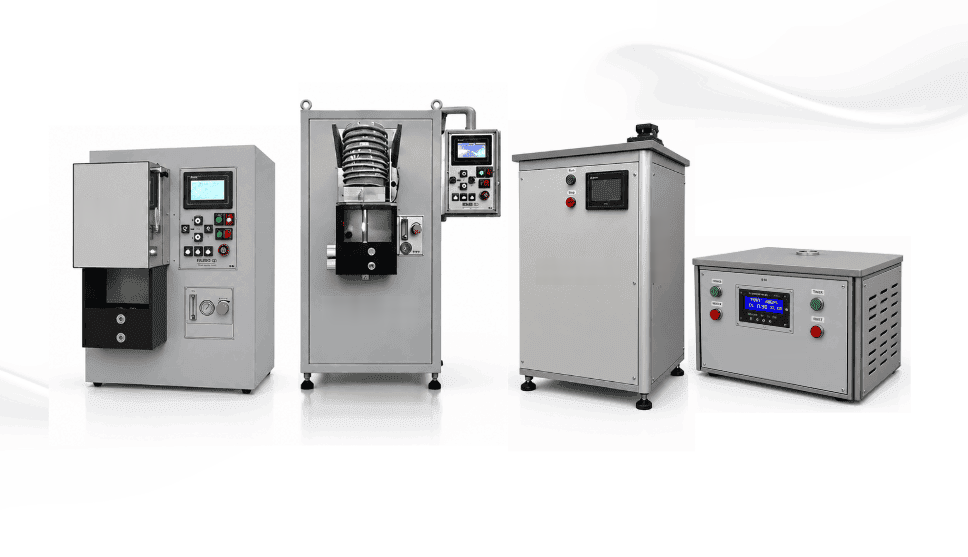
Explore our 1kg Gold Induction Melting Furnace – 4 Station IGBT System for efficient, high-precision melting that perfectly complements automated gold and silver bar casting operations.
Future Trends in Energy-Efficient Induction Furnaces
The induction melting industry continues to evolve with:
- Smart power management systems
- AI-based process optimization
- Automated temperature control
- Energy monitoring software
- High-efficiency IGBT technology
- Predictive maintenance systems
These innovations are helping manufacturers achieve lower energy consumption and greater operational efficiency.
Discover the OPDEL iD Pro Series Induction Furnace, engineered for precision melting, energy efficiency, and superior performance.
Conclusion
Understanding induction furnace energy consumption is essential for controlling operating costs and improving melting performance. Factors such as furnace loading, metal type, insulation quality, power supply efficiency, and operating practices all influence electricity usage.
By implementing energy-saving strategies and investing in modern induction furnace technology, manufacturers can significantly reduce power costs while increasing productivity, melting speed, and product quality.
Businesses that actively monitor and optimize energy consumption gain a competitive advantage through lower production costs and more sustainable operations.
for more information visit opdel.com
Frequently Asked Questions (FAQs)
How much electricity does an induction furnace consume?
Energy consumption varies depending on metal type and furnace efficiency, typically ranging from 0.3 to 0.8 kWh per kilogram of metal melted.
What affects induction furnace power consumption the most?
Major factors include furnace loading, metal type, insulation quality, holding time, and power supply efficiency.
Are induction furnaces energy efficient?
Yes. Induction furnaces are among the most energy-efficient metal melting technologies available today because heat is generated directly within the metal.
How can I reduce induction furnace energy costs?
Use proper batch sizes, maintain equipment regularly, reduce holding times, optimize cooling systems, and utilize modern high-efficiency induction power supplies.
Is an induction furnace more efficient than a gas furnace?
In most metal melting applications, induction furnaces offer higher efficiency, faster melting, better temperature control, and lower overall operating costs.