Why Induction Furnaces Are the Preferred Choice for Metal Melting
Introduction
In today’s competitive metal processing industry, efficiency, precision, and sustainability are more important than ever. As manufacturers seek advanced melting technologies, induction furnaces have emerged as the preferred solution for melting a wide range of metals. From foundries and refineries to jewelry manufacturers and metal recycling facilities, induction melting systems are transforming the way metals are processed.
Discover the OPDEL iD Pro Series Induction Furnace, engineered for precision melting, energy efficiency, and superior performance.
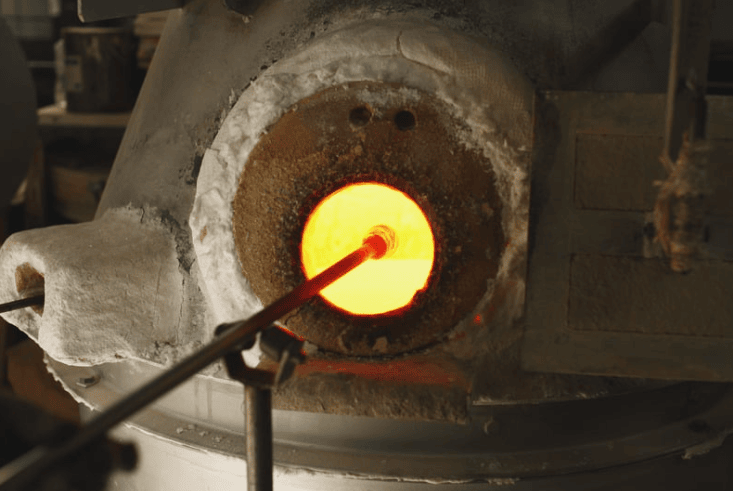
This article explores why induction furnaces have become the industry standard for metal melting and how they offer significant advantages over conventional fuel-based furnaces.
What Is an Induction Furnace?
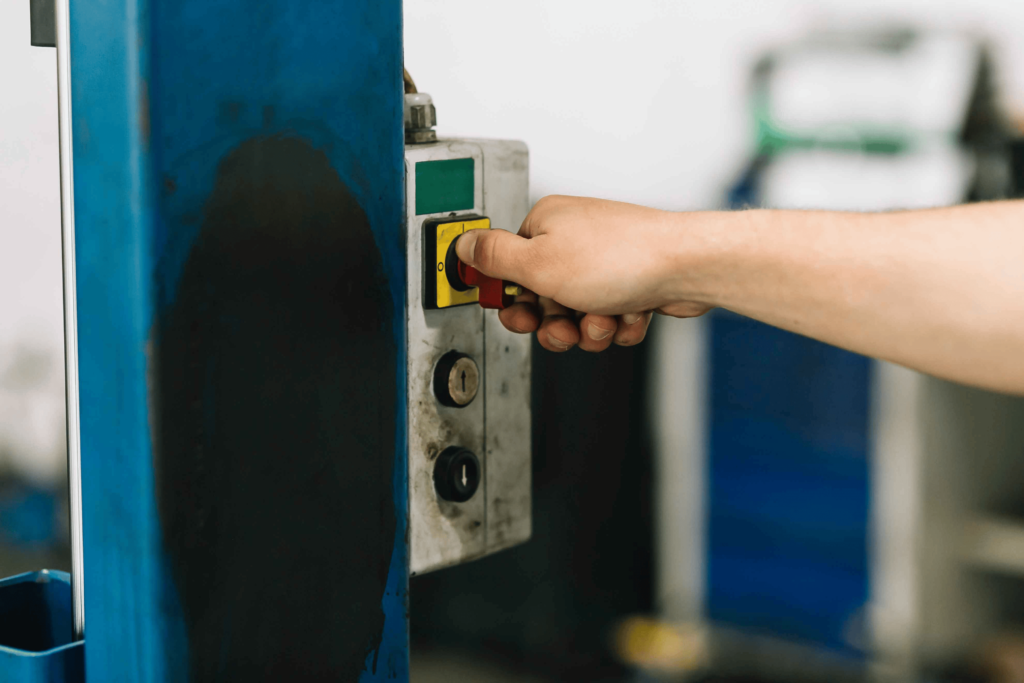
An induction furnace is an advanced metal melting system that uses electromagnetic induction to generate heat directly within the metal. Unlike traditional furnaces that rely on combustion, induction furnaces produce heat through an alternating magnetic field, ensuring rapid and efficient melting.
The technology is widely used for melting gold, silver, copper, aluminum, brass, bronze, steel, and various precious and non-ferrous metals.
Superior Energy Efficiency
One of the primary reasons industries choose induction furnaces is their exceptional energy efficiency.
Traditional fuel-fired furnaces lose a significant amount of heat through exhaust gases and furnace walls. In contrast, induction furnaces generate heat directly inside the metal charge, minimizing energy losses.
Benefits Include:
- Faster melting cycles
- Lower energy consumption
- Reduced operating costs
- Higher production output
As energy prices continue to rise globally, businesses increasingly prefer induction technology to improve profitability and reduce operational expenses.
Heat treatment furnaces are designed to alter the physical and mechanical properties of metals through controlled heating and cooling, improving hardness, strength, and durability for various industrial applications.
Faster Melting and Increased Productivity
Time is a critical factor in metal manufacturing. Induction furnaces can achieve melting temperatures rapidly, significantly reducing production cycle times.
Because the heat is generated directly within the metal, the melting process is both quick and uniform. Consequently, manufacturers can process more batches in less time, increasing overall productivity.
This advantage is particularly valuable for high-volume foundries, refineries, and continuous casting operations.
OPDEL Etna CD Series – Precision and consistency inspired by Europe’s mightiest volcano.
Precise Temperature Control
Quality metal production requires accurate temperature management.
Induction furnaces offer precise control over melting temperatures, allowing operators to achieve consistent results across every batch. Advanced digital controls and automation systems enable real-time monitoring and adjustments throughout the melting process.
As a result:
- Metal quality improves
- Material waste decreases
- Product consistency increases
- Defect rates are reduced
This level of precision is especially important when processing precious metals such as gold and silver.
Experience seamless metal casting with the OPDEL Continuous Casting Furnace ‘Etna’ cD Series, built for consistency, reliability, and precision.
Cleaner and Environmentally Friendly Operation
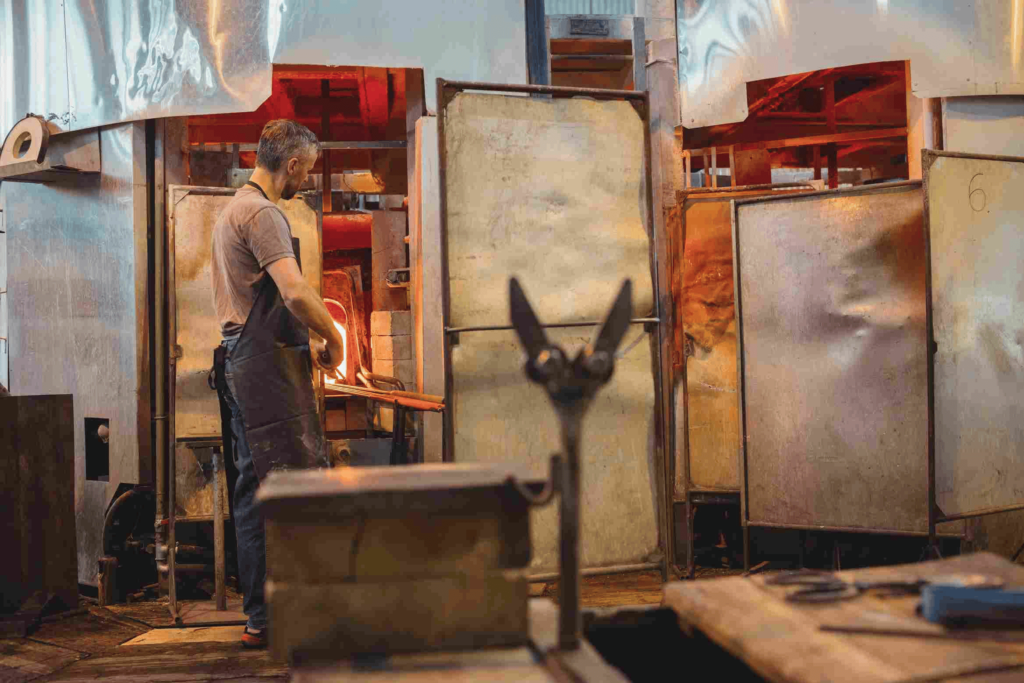
Environmental regulations are becoming stricter worldwide. Therefore, industries are actively seeking cleaner manufacturing technologies.
Induction furnaces produce no direct combustion emissions because they do not require oil, gas, coal, or coke as fuel sources.
Environmental Advantages:
- Lower carbon footprint
- Reduced air pollution
- Minimal smoke generation
- Cleaner working environment
- Compliance with environmental standards
For companies pursuing sustainable manufacturing practices, induction melting systems provide an ideal solution.
OPDEL Vulcano Series – Where relentless power meets flawless continuous casting.
Better Metal Quality and Purity

Metal quality directly impacts the performance and value of finished products.
Since induction furnaces use a clean heating process, there is minimal contamination from fuel combustion byproducts. This helps maintain the chemical composition and purity of the molten metal.
Benefits include:
- Higher-quality castings
- Improved metallurgical properties
- Reduced oxidation losses
- Better surface finish
- Enhanced product reliability
These advantages make induction furnaces particularly popular in precious metal refining and high-precision manufacturing applications.
OPDEL Static Furnace – Unmatched stability, precision, and performance for flawless melts.
Enhanced Safety for Operators
Workplace safety remains a top priority in industrial operations.
Induction furnaces offer a safer melting environment compared to traditional fuel-fired systems because they eliminate open flames and combustible fuels.
Key Safety Features:
- Flame-free operation
- Reduced fire hazards
- Automated process control
- Lower exposure to harmful emissions
- Improved workplace conditions
Consequently, companies can create safer production environments while reducing operational risks.
Lower Maintenance Requirements
Traditional melting furnaces often require frequent maintenance due to burners, fuel systems, and refractory damage caused by combustion processes.
Induction furnaces feature a simpler design with fewer moving components, resulting in:
- Reduced downtime
- Lower maintenance costs
- Longer equipment lifespan
- Improved reliability
This allows manufacturers to focus more on production and less on equipment repairs.
Versatility Across Industries
Modern induction furnaces are highly versatile and can be customized for various industrial applications.
Common industries using induction melting technology include:
- Precious metal refining
- Jewelry manufacturing
- Steel foundries
- Aluminum processing
- Copper melting
- Brass and bronze casting
- Metal recycling plants
- Automotive component manufacturing
Their ability to melt different metals efficiently makes them a valuable investment for businesses of all sizes.
Supporting Automation and Industry 4.0
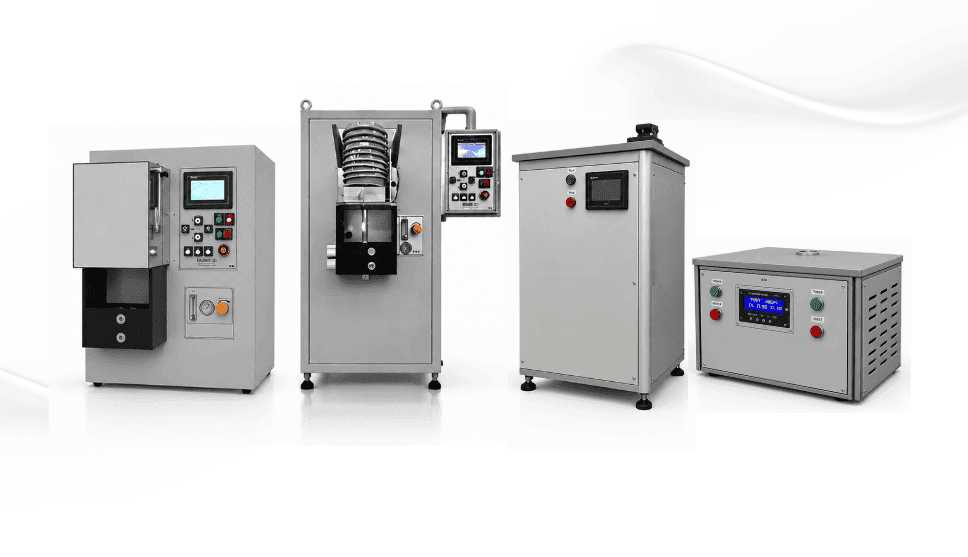
Today’s manufacturing facilities increasingly rely on automation and smart technologies.
Advanced induction furnaces integrate seamlessly with automated production systems, offering:
- Digital process monitoring
- Automated temperature control
- Production data tracking
- Remote diagnostics
- Smart manufacturing compatibility
This supports Industry 4.0 initiatives and helps businesses optimize production efficiency.
Why Businesses Are Switching to Induction Furnaces
Companies worldwide are replacing traditional melting systems with induction furnaces because they offer a combination of:
- Higher efficiency
- Faster production
- Better metal quality
- Lower operating costs
- Enhanced safety
- Environmental sustainability
- Greater process control
These benefits provide a significant competitive advantage in today’s demanding manufacturing environment.
Conclusion
Induction furnaces have revolutionized metal melting by delivering unmatched efficiency, precision, and sustainability. As industries continue to prioritize productivity, quality, and environmental responsibility, induction melting technology remains the preferred choice for modern metal processing operations.
Whether you operate a foundry, refinery, recycling facility, or precious metal manufacturing plant, investing in an advanced induction furnace can improve performance, reduce costs, and support long-term business growth.
By combining energy efficiency, superior metal quality, and intelligent process control, induction furnaces are shaping the future of metal melting worldwide.
for more information visit opdel.com