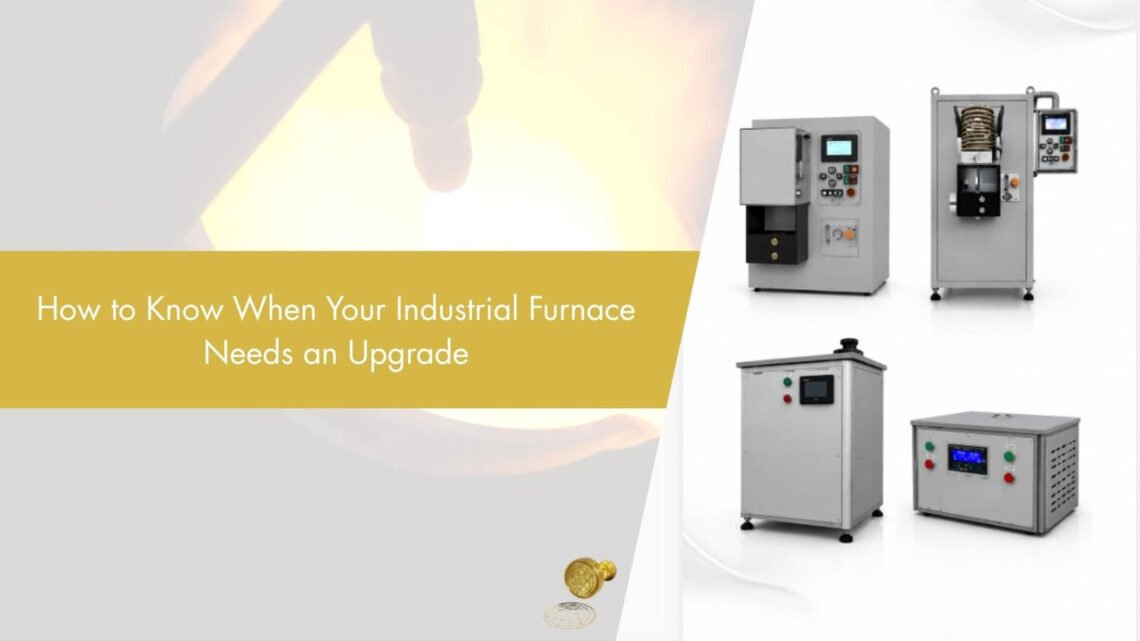
Industrial furnaces play a critical role in metal melting, casting, heat treatment, brazing, and other manufacturing processes. As production demands continue to evolve, older furnace systems can become inefficient, costly, and difficult to maintain. While regular maintenance can extend equipment life, there comes a point when upgrading your industrial furnace becomes the smarter investment.
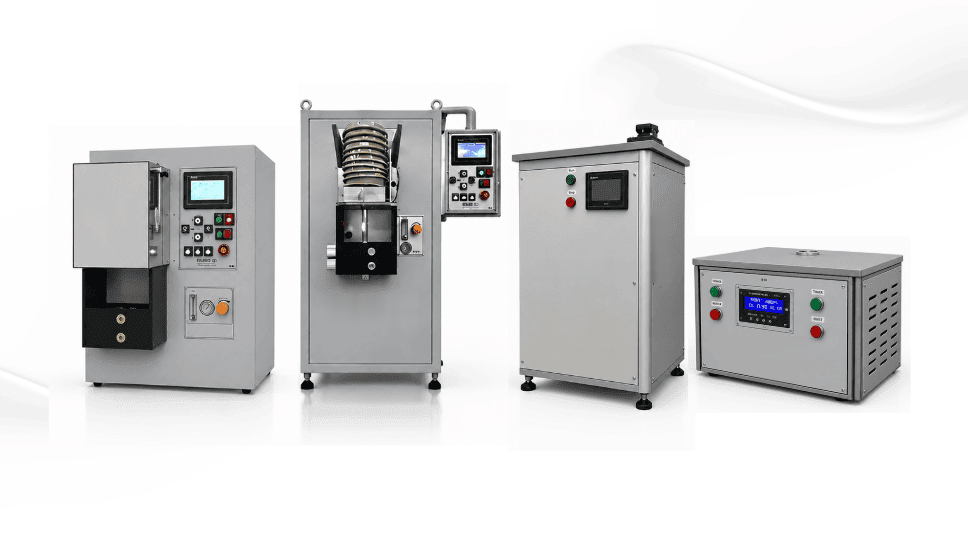
Discover the OPDEL iD Pro Series Induction Furnace, engineered for precision melting, energy efficiency, and superior performance.
Recognizing the warning signs early can help manufacturers improve productivity, reduce operating costs, and maintain consistent product quality. In this guide, we’ll explore the key indicators that your industrial furnace may need an upgrade.
Why Furnace Performance Matters
An industrial furnace directly impacts production efficiency, energy consumption, product quality, and operational safety. Modern furnace technologies offer advanced temperature control, higher energy efficiency, automation capabilities, and improved reliability.
Heat treatment furnaces are designed to alter the physical and mechanical properties of metals through controlled heating and cooling, improving hardness, strength, and durability for various industrial applications.
If your current system is struggling to meet production requirements, an upgrade can deliver significant long-term benefits.
1. Rising Energy Consumption
One of the most common signs of an aging furnace is increasing energy usage.
Older furnace systems often suffer from:
- Poor insulation
- Heat loss
- Inefficient burners or heating elements
- Outdated control systems
As a result, they require more power to achieve the same operating temperatures. If your energy bills continue to rise despite stable production levels, your furnace may no longer be operating efficiently.
Modern induction and energy-efficient furnaces can significantly reduce power consumption while maintaining superior performance.
OPDEL Etna CD Series – Precision and consistency inspired by Europe’s mightiest volcano.
2. Inconsistent Temperature Control
Precise temperature control is essential for maintaining product quality.
If you notice:
- Temperature fluctuations
- Uneven heating
- Inconsistent melting results
- Variable casting quality
your furnace may have outdated control technology or worn heating components.
Modern furnace systems feature digital controls, programmable heating cycles, and real-time monitoring that ensure accurate and repeatable results.
Experience seamless metal casting with the OPDEL Continuous Casting Furnace ‘Etna’ cD Series, built for consistency, reliability, and precision.
3. Frequent Breakdowns and Downtime
Unexpected downtime can quickly impact production schedules and profitability.
Warning signs include:
- Increasing maintenance calls
- Frequent component failures
- Unexpected shutdowns
- Long repair times
When maintenance costs start approaching the value of a new furnace, upgrading becomes a more cost-effective solution.
New furnace systems are designed for higher reliability and reduced maintenance requirements, helping manufacturers maximize uptime.
4. Production Capacity Has Increased
Many manufacturers expand their operations over time, but their furnace systems remain unchanged.
Your furnace may be undersized if:
- Production demand has grown
- Batch sizes have increased
- Delivery timelines are becoming difficult to meet
- Multiple production shifts are required
Upgrading to a higher-capacity furnace can increase throughput, improve workflow efficiency, and support future business growth.
OPDEL Vulcano Series – Where relentless power meets flawless continuous casting.
5. Poor Product Quality
Product defects often originate from inconsistent heating conditions.
Common quality issues include:
- Surface defects
- Porosity
- Improper metal flow
- Oxidation
- Inconsistent metallurgical properties
If quality problems continue despite process improvements, the furnace itself may be the root cause.
Modern furnace technologies provide better temperature stability and process control, resulting in higher-quality finished products.
6. Excessive Metal Loss and Oxidation
Metal loss during melting can significantly increase production costs.
Older furnace systems often expose molten metal to excessive heat and atmospheric conditions, leading to:
- Increased oxidation
- Material wastage
- Lower yield rates
Advanced induction furnaces provide controlled heating environments that minimize oxidation and improve metal recovery.
7. Difficulty Finding Spare Parts
As furnace systems age, replacement parts can become difficult or expensive to source.
Common challenges include:
- Obsolete components
- Limited supplier support
- Extended lead times
- Increased repair costs
When spare part availability becomes a recurring issue, upgrading to a modern furnace ensures long-term support and easier maintenance.
8. Safety Concerns Are Increasing
Workplace safety should never be compromised.
Signs of safety-related issues include:
- Overheating components
- Electrical faults
- Cooling system failures
- Outdated safety features
- Increased operator risk
Modern industrial furnaces incorporate advanced safety systems, automated monitoring, emergency shutdown functions, and improved thermal management to create a safer working environment.
9. Lack of Automation and Smart Controls
Today’s manufacturing facilities increasingly rely on automation and data-driven processes.
If your furnace lacks:
- PLC integration
- Digital process monitoring
- Automated temperature control
- Production data logging
- Remote diagnostics
it may be limiting your operational efficiency.
Modern furnace systems support Industry 4.0 initiatives and help manufacturers improve process consistency and decision-making.
10. Environmental Compliance Challenges
Environmental regulations continue to evolve across industries.
Older furnace technologies may struggle to meet current standards for:
- Energy efficiency
- Emissions
- Workplace safety
- Sustainable manufacturing
Upgrading to modern furnace technology can help businesses reduce their environmental footprint while remaining compliant with industry regulations.
Benefits of Upgrading Your Industrial Furnace

Investing in a new furnace offers several advantages:
- Lower energy costs
- Higher production capacity
- Improved product quality
- Reduced downtime
- Enhanced workplace safety
- Better process control
- Reduced material loss
- Increased equipment reliability
- Future-ready automation capabilities
These benefits often deliver a strong return on investment through improved productivity and lower operating expenses.
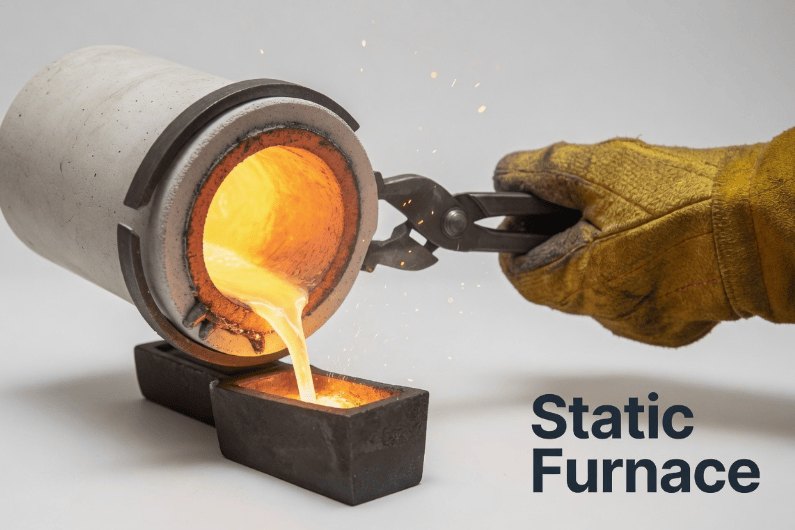
OPDEL Static Furnace – Unmatched stability, precision, and performance for flawless melts.
Why Choose OPDEL Furnace Solutions?
OPDEL has been delivering advanced industrial furnace technologies for decades. Our melting, casting, induction heating, and brazing systems are designed to maximize efficiency, precision, and reliability across a wide range of metal processing applications.
From compact induction melting systems to high-capacity continuous casting furnaces, OPDEL provides customized solutions that help manufacturers stay competitive in today’s evolving industrial landscape.
Conclusion
An industrial furnace is one of the most important assets in any metal processing operation. When energy costs rise, downtime increases, and product quality declines, upgrading your furnace can transform overall operational performance.
By investing in modern furnace technology, manufacturers can improve efficiency, reduce costs, enhance safety, and prepare their operations for future growth.
for more information visit opdel.com