Category: Blog

Your blog category

What Is Gold’s Melting Point and Why Does It Matter?

By opdel.com

Gold, celebrated for its beauty and versatility, has captivated humanity for centuries. Its unique properties, including its melting point, play a crucial role in its wide range of applications, from jewelry and electronics to industrial uses. But what exactly is gold’s melting point, and why is it important? Let’s dive in. Explore Gold Melting Furnace Here The Melting Point of Gold   Gold melts at a temperature of 1,064°C (1,947°F). At this exact point, gold transitions from a solid to a liquid state, making it easier to mold, cast, and alloy. This characteristic makes gold indispensable in various fields: Jewelry Design: Its ability to melt and reshape allows craftsmen to create intricate and beautiful designs. Electronics: Gold’s conductivity and resistance to corrosion make it ideal for creating components like connectors and circuits. Industrial Applications: High-precision fields like aerospace and medicine rely on gold for its durability and malleability at high temperatures. Why Does the Melting Point of Gold Matter?   Purity TestingGold’s precise melting point is a marker of its purity. Pure 24-karat gold melts exactly at 1,064°C, while impurities or alloyed metals can alter this temperature. Manufacturing ExcellenceUnderstanding and controlling the melting point ensures gold retains its quality and integrity during complex crafting processes. Recycling and RefinementDuring recycling, old gold items are melted to extract and refine the pure metal. A clear understanding of its melting behaviour ensures efficiency and minimal loss. Factors Affecting the Melting of Gold   While pure gold always melts at the same temperature, certain conditions can influence the melting process: Alloy Composition: Adding other metals, such as silver or copper, lowers the melting point. Environmental Factors: Atmospheric pressure and surrounding gases can impact the melting dynamics. Equipment Used: Using advanced furnaces ensures precise temperature control and efficient melting. Safety Tips for Melting Gold   Melting gold requires careful handling and appropriate equipment due to its high melting temperature. Here’s how to stay safe: Use heat-resistant crucibles capable of handling molten gold. Wear protective gear, including gloves, goggles, and heatproof clothing. Ensure proper ventilation to avoid inhaling fumes. For professional results, consider using a gold melting furnace. These furnaces offer precision, safety, and efficiency for industrial and artisanal use. Explore Professional Gold Melting Equipment   For reliable and efficient gold melting, check out top-quality electric furnaces that ensure accuracy and safety. Uses of Melted Gold   Once melted, gold becomes the foundation for various applications: Jewelry: Crafting rings, necklaces, and other luxurious items. Technology: Manufacturing reliable and durable components for electronics. Investments: Producing gold bars and coins for collectors and investors. Industrial Products: Creating specialized components for aerospace, dentistry, and more. Conclusion   Gold’s melting point—1,064°C (1,947°F)—is a cornerstone of its versatility and utility. From transforming raw gold into exquisite jewelry to enabling advanced technological applications, this property ensures gold’s enduring value. By using the proper tools, such as gold melting furnaces, and adhering to safety protocols, professionals and enthusiasts alike can unlock the full potential of this remarkable metal. Whether for art, technology, or investment, understanding the melting process is key to maximising gold’s benefits. for more information visit opdel.com

Laser Welding Jewellery

By opdel.com

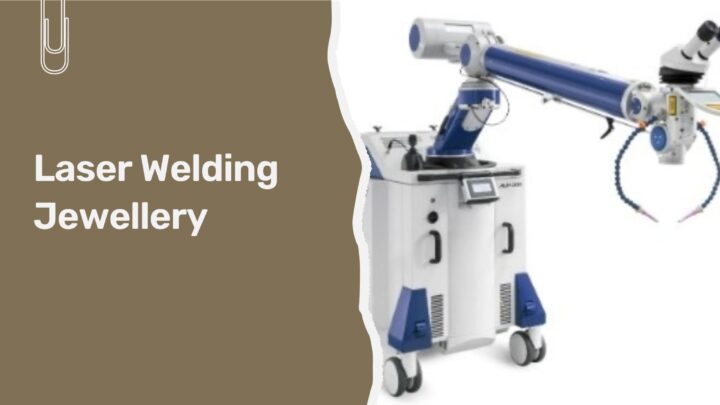
What is laser welding jewellery? Laser welding jewellery is a technique that uses a high-powered laser beam to join metal pieces together. Unlike traditional soldering, which relies on the use of a torch and solder, laser welding uses a concentrated beam of light to create a strong and durable bond between metal components. This process is highly precise and allows for intricate designs to be created with ease. How does laser welding work? Laser welding works by directing a laser beam onto the metal surface, which creates a localized heat source. This heat source melts the metal, allowing it to fuse together. The laser beam is controlled by a computer, which ensures precise control over the welding process. The result is a clean and seamless weld that is virtually invisible to the naked eye. What are the advantages of laser welding jewellery? Laser welding offers several advantages over traditional soldering methods: Precision: Laser welding allows for precise control over the welding process, resulting in clean and accurate welds. This is especially beneficial when working with delicate and intricate designs. Reduced heat damage: Unlike traditional soldering, laser welding produces minimal heat, reducing the risk of heat damage to gemstones and other delicate materials. Durability: Laser welding creates a strong and durable bond between metal components, ensuring that the jewellery piece will withstand everyday wear and tear. Time efficiency: Laser welding is a fast process, allowing jewellers to complete projects more quickly and efficiently. Conclusion Laser welding jewellery has revolutionized the industry, offering jewellers a precise, durable, and efficient method for creating intricate designs. With its numerous advantages over traditional soldering methods, laser welding is becoming increasingly popular among jewellery makers. Whether you are a jeweller looking to enhance your craft or a customer seeking a high-quality and long-lasting piece of jewellery, laser welding is undoubtedly the future of the industry.   Jewellery and Laser Technology What is a LASER Welder for Mould Repairs? What is a LASER Welder for Mould repairs? A LASER Welder for Mould repairs is a powerful tool that allows jewellers to repair intricate moulds with utmost precision. With its high-energy laser beam, it can seamlessly fuse metal parts together, ensuring a strong and durable bond. Whether it’s fixing a broken prong or reattaching a delicate component, the LASER Welder for Mould repairs enables jewellers to make intricate repairs without compromising the integrity of the piece. Jewellery and Laser Technology How does a LASER Marker 20W enhance jewellery making How does a LASER Marker 20W enhance jewellery making The LASER Marker 20W is a game-changer for jewellery makers, offering precise engraving and marking capabilities. With its high-powered laser beam, it can etch intricate designs, logos, or serial numbers onto various materials, including precious metals and gemstones. This allows jewellers to add a personal touch to their creations, enhance branding, and ensure the authenticity of their pieces. Jewellery and Laser Technology Why choose a LASER Welder OD 130 Joule? Why choose a LASER Welder OD 130 Joule? The LASER Welder OD 130 Joule is a versatile tool that offers exceptional welding capabilities for a wide range of jewellery repair and creation tasks. With its high energy output, it can effortlessly fuse metals together, making it ideal for resizing rings, repairing chains, or even creating custom pieces. Its precision and efficiency make it a must-have tool for any jewellery professional. Jewellery and Laser Technology What can a LASER Marker 10W do for jewellery designers? What can a LASER Marker 10W do for jewellery designers? The LASER Marker 10W is a compact yet powerful tool that opens up a world of possibilities for jewellery designers. With its fine laser beam, it can create intricate patterns, textures, and designs on various materials, including metals, gemstones, and even leather. This allows designers to push the boundaries of their creativity and create truly unique and captivating piecesl. Jewellery and Laser Technology How does a LASER Welder OD 100 Joule improve efficiency? How does a LASER Welder OD 100 Joule improve efficiency? The LASER Welder OD 100 Joule is a workhorse in the jewellery workshop, offering exceptional welding capabilities and improved efficiency. With its high energy output, it can quickly and precisely fuse metals together, reducing the time required for repairs or assembly. This means jewellers can complete projects faster, allowing them to take on more orders and increase their productivity. Jewellery and Laser Technology Why invest in a LASER Welder OD 180 Joule? Why invest in a LASER Welder OD 180 Joule? The LASER Welder OD 180 Joule is a true powerhouse tool that provides unmatched welding capabilities for even the most demanding jewellery projects. With its high energy output, this laser welder can effortlessly fuse metals together, ensuring a strong and durable bond. Its versatility and precision make it an invaluable asset for jewellers who strive for perfection in their craft.

Golden Decisions: A Guide to Selecting the Perfect Melting Furnace for Your Precious Metal Journey

By opdel.com

Embarking on a journey into the world of precious metals, particularly gold, is an exciting venture. Whether you’re a seasoned jeweller, a hobbyist, or an aspiring goldsmith, one of the crucial decisions you’ll face is choosing the right melting furnace for your needs. The melting furnace is the heart of any precious metal workshop, and making an informed decision can significantly impact the quality of your work. In this guide, we’ll walk you through the key factors to consider when selecting the perfect melting furnace for your golden journey.   Understanding Your Needs: Before diving into the technical aspects of melting furnaces, take a moment to understand your specific requirements. Consider the volume of gold you plan to work with, the types of projects you’ll be undertaking, and your level of experience. This self-assessment will serve as a solid foundation for making an informed decision.   Types of Melting Furnaces: Melting furnaces come in various types, each suited for different applications. The two primary types are electric and gas furnaces. Electric furnaces are suitable for smaller-scale operations, offering precise temperature control and ease of use. Gas furnaces, on the other hand, are ideal for larger-scale projects, providing higher melting capacities but requiring more careful temperature management.   Capacity and Size: The size of the melting furnace is a critical consideration. Ensure that the furnace you choose has the capacity to accommodate the volume of gold you intend to melt. Additionally, consider the physical size of the furnace in relation to your workspace. A compact furnace may be more suitable for a home studio, while a larger industrial furnace might be necessary for commercial operations.   Temperature Control and Precision: Maintaining the correct temperature is paramount when working with precious metals. Look for a melting furnace that offers precise temperature control. This is particularly crucial for gold, as different alloys have specific melting points. A furnace with accurate temperature settings will contribute to the quality and consistency of your final products.   Material Compatibility: Not all melting furnaces are created equal when it comes to compatibility with different materials. Ensure that the furnace you choose is designed to handle gold and any other materials you may be working with. Some furnaces may have features that make them versatile for various metals, providing flexibility in your projects.     Energy Efficiency: As sustainability becomes a more significant consideration in every industry, including metalworking, it’s essential to choose a melting furnace that is energy-efficient. Look for models that are designed to minimize energy consumption while still delivering optimal performance. This not only benefits the environment but also contributes to cost savings in the long run.   Conclusion: Choosing the right melting furnace for your gold smithing journey is a pivotal decision that will impact the quality and efficiency of your work. By understanding your needs, considering the type and size of furnace, evaluating temperature control features, ensuring material compatibility, and prioritising energy efficiency, you can make a golden decision that aligns with your goals and aspirations in the world of precious metals. May your chosen furnace be the foundation for countless masterpieces in your artistic and crafting endeavours. Happy melting! https://youtu.be/xmz1xHccg0Y?si=ICHEkZnHRp1uCGGR

Unleashing Efficiency: A Deep Dive into Optimizing Continuous Casting Through Simulation Strategies

By opdel.com

Continuous casting is a cornerstone in the metal manufacturing industry, providing a cost-effective and efficient way to produce high-quality metal products. However, as industries evolve, the need for optimization becomes paramount. In this blog, we will explore how simulation strategies are revolutionising the continuous casting process, unlocking new levels of efficiency and productivity.   Understanding Continuous Casting: Continuous casting involves the uninterrupted pouring of molten metal into a mold to produce a continuous strand or slab. This process is widely used for steel, aluminium, and other metals due to its ability to produce consistent and defect-free products. However, optimising this complex process requires a deep understanding of the interplay between various factors, such as temperature, mold design, and casting speed.   Challenges in Continuous Casting: Before delving into simulation strategies, it’s essential to recognize the challenges inherent in continuous casting. Issues like surface defects, inconsistent product quality, and energy inefficiency can arise. Traditional trial-and-error methods to address these challenges are time-consuming and costly, driving the need for more innovative solutions.   Enter Simulation Strategies: Simulation strategies involve creating digital models that replicate the real-world conditions of the continuous casting process. These models consider a multitude of variables, enabling engineers and metallurgists to analyse the impact of changes without the need for physical experimentation. This approach not only accelerates the optimization process but also significantly reduces costs.   Temperature Management: One critical aspect of continuous casting is temperature control. Simulation allows for a detailed analysis of temperature distribution within the mold and the metal, helping identify potential hot spots or areas of insufficient heat. By adjusting parameters such as cooling rates and mold design in the digital realm, engineers can optimize temperature profiles to minimize defects and enhance product quality.   Mold Design and Fluid Dynamics: Simulation strategies provide a platform to explore different mold designs and their impact on the casting process. By analysing fluid dynamics within the mold, engineers can optimize the geometry to ensure a uniform flow of molten metal. This not only reduces the likelihood of defects but also enhances the overall efficiency of the casting process.     Casting Speed and Productivity: Adjusting casting speed is a delicate balancing act in continuous casting. Simulation allows engineers to experiment with different speeds and observe their effects on product quality and process efficiency. Finding the optimal casting speed is crucial for maximising productivity without compromising on the integrity of the final product.   Quality Assurance: Simulation strategies contribute significantly to quality assurance by predicting and mitigating potential defects. Whether it’s addressing surface irregularities, cracks, or other imperfections, the ability to simulate various scenarios empowers manufacturers to implement changes proactively and ensure a higher standard of product quality.   Conclusion: As industries evolve, so must the methods of production. Simulation strategies offer a transformative approach to optimising the continuous casting process, addressing challenges and unlocking new levels of efficiency. By harnessing the power of digital models, manufacturers can make informed decisions, reduce costs, and propel their operations into a future defined by precision and productivity. The journey toward efficiency begins with a deep dive into the world of simulation strategies for continuous casting.https://youtu.be/YiM8xfvjadg?si=gp5iysB8XY706WNi