Precision metal casting is not simply about melting metal and filling a mould. The quality, strength, dimensional accuracy, and surface finish of the final component depend heavily on how carefully the metal is heated, held, transferred, and solidified. Among all process parameters, temperature control plays one of the most important roles in precision metal casting.
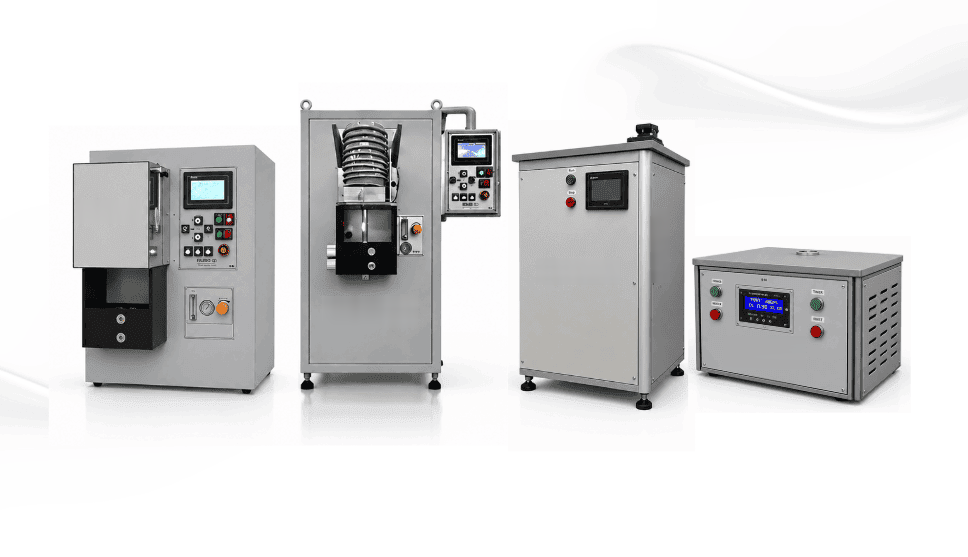
OPDEL Vulcano Series – Where relentless power meets flawless continuous casting.
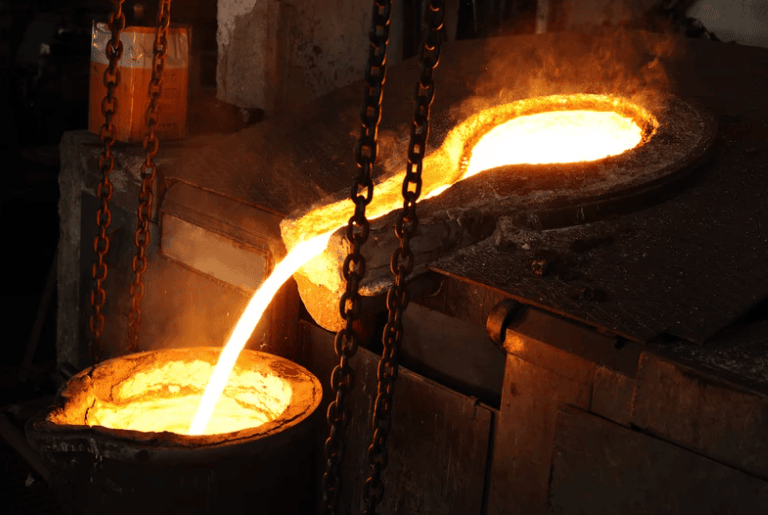
Even a small temperature variation can affect metal fluidity, oxidation, shrinkage, grain structure, porosity, and casting defects. For manufacturers producing high-value components, maintaining the correct temperature throughout the melting and casting process is therefore essential for achieving consistent results.
What Is Temperature Control in Metal Casting?
Temperature control in metal casting refers to the accurate monitoring and regulation of metal temperature during critical stages such as:
- Melting
- Alloying
- Holding
- Degassing
- Pouring
- Mould filling
- Solidification
The objective is to keep the molten metal within the required temperature range for a particular alloy and casting application.
A tunnel furnace is a continuous heating system widely used in precious metals manufacturing, especially for producing gold and silver bars with consistent quality and high throughput. It allows controlled, uniform heating as metal moves through different temperature zones on a conveyor or track system.
Different metals and alloys have different melting and pouring requirements. Aluminium, copper, brass, steel, nickel alloys, and precious metals cannot be processed using the same temperature parameters. A properly controlled furnace system helps manufacturers maintain the required thermal conditions from melting to pouring.
Why Temperature Control Matters in Precision Metal Casting
1. Improves Casting Quality
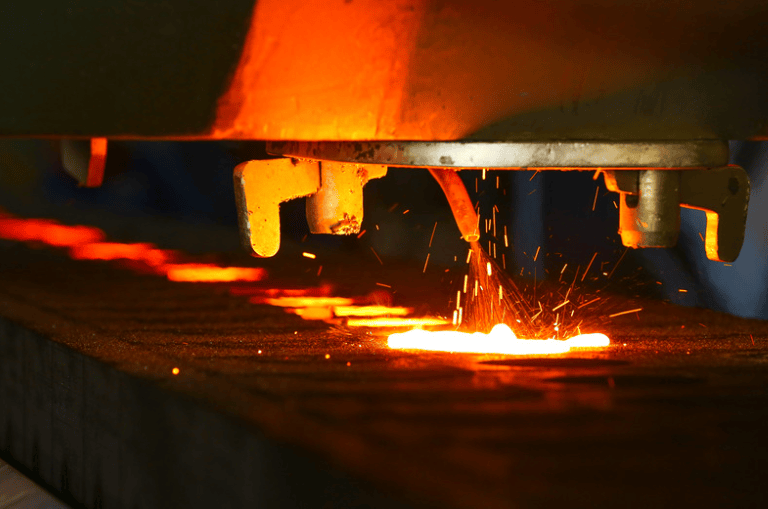
The temperature of molten metal directly influences its ability to fill the mould correctly. If the metal is too cold, it may lose fluidity before the mould cavity is completely filled.
This can result in:
- Misruns
- Cold shuts
- Incomplete filling
- Poor surface reproduction
- Dimensional inconsistencies
Maintaining the correct pouring temperature allows molten metal to flow smoothly and reproduce intricate mould details.
Explore our 1kg Gold Induction Melting Furnace – 4 Station IGBT System for efficient, high-precision melting that perfectly complements automated gold and silver bar casting operations.
2. Reduces Casting Defects
Poor temperature management is a common contributor to casting defects. Excessive temperatures can increase oxidation, gas absorption, refractory wear, and unwanted reactions between molten metal and the mould.
On the other hand, insufficient temperature can cause premature solidification.
Accurate thermal control helps reduce defects such as:
- Porosity
- Shrinkage
- Cold shuts
- Misruns
- Oxide inclusions
- Surface defects
- Inconsistent microstructure
For precision manufacturers, reducing these defects can significantly improve yield and reduce rework and material waste.
Temperature and Metal Fluidity

One of the most important relationships in casting is between temperature and fluidity.
As molten metal temperature increases above its liquidus temperature, its ability to flow generally improves. However, simply increasing temperature is not a solution to every casting problem.
Discover the OPDEL iD Pro Series Induction Furnace, engineered for precision melting, energy efficiency, and superior performance.
Overheating can create new challenges, including:
- Increased oxidation
- Greater energy consumption
- Higher refractory degradation
- Increased gas absorption
- Alloy composition changes
- Longer cooling times
The ideal approach is to establish a controlled temperature window rather than operating at unnecessarily high temperatures.
The Importance of Accurate Pouring Temperature

The temperature at which molten metal enters the mould can have a major influence on the final casting.
If the pouring temperature is too low, the metal may solidify before filling thin or complex sections. If it is too high, excessive superheat can increase oxidation and affect solidification behaviour.
Experience seamless metal casting with the OPDEL Continuous Casting Furnace ‘Etna’ cD Series, built for consistency, reliability, and precision.
Therefore, precision casting operations need to control not only the furnace temperature but also the actual molten-metal temperature immediately before pouring.
This is where accurate temperature measurement systems, thermocouples, optical pyrometers, and automated furnace controls can provide significant advantages.
Temperature Control During Solidification
Temperature management does not stop when the metal leaves the furnace.
Solidification is a critical stage in which the molten metal changes into a solid structure. The cooling rate influences:
- Grain size
- Microstructure
- Shrinkage behaviour
- Mechanical properties
- Internal stresses
- Dimensional stability
Controlled solidification can help manufacturers achieve more predictable material properties and reduce internal defects.
For complex precision castings, controlling the thermal gradient throughout the mould can be just as important as controlling the initial pouring temperature.
OPDEL Static Furnace – Unmatched stability, precision, and performance for flawless melts.
How Modern Melting Furnaces Improve Temperature Control
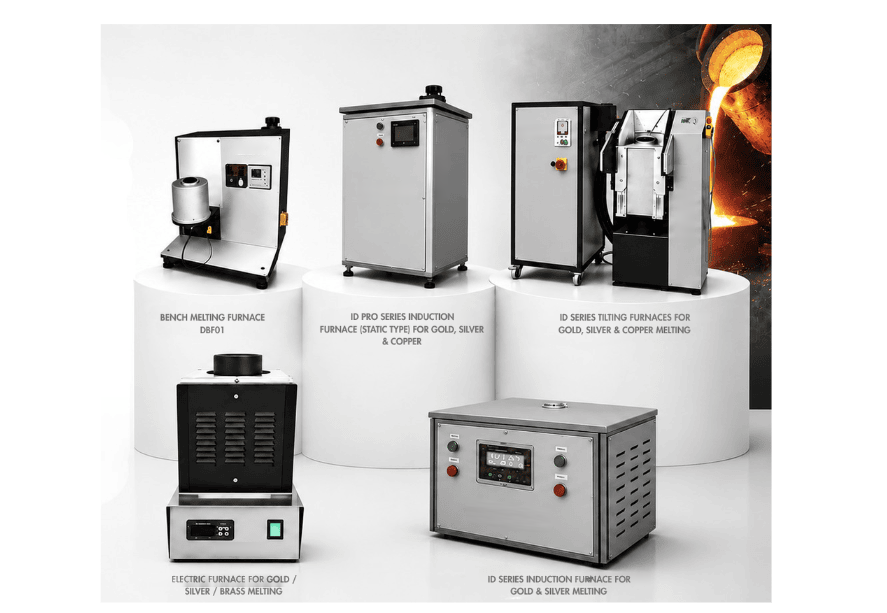
Modern melting and casting furnaces are designed to provide better control over heating, holding, and melting conditions.
Depending on the application, manufacturers may use induction furnaces, electric resistance furnaces, gas-fired furnaces, or specialized vacuum and atmosphere-controlled systems.
Modern furnace technologies can provide features such as:
- Digital temperature monitoring
- Programmable temperature profiles
- Automatic temperature regulation
- Precise power control
- Holding-temperature management
- Reduced heat loss
- Improved energy efficiency
- Data monitoring and process repeatability
These capabilities are particularly valuable for manufacturers producing repeat batches where consistent thermal conditions are required.
Pair your casting line with the 1kg Gold Induction Melting Furnace – 4 Station IGBT System to achieve faster melt cycles, precise temperature control, and consistent feed stock for flawless bullion bar production.
Temperature Uniformity Is as Important as Temperature Accuracy
A furnace may display the correct temperature while still producing inconsistent results if the temperature distribution inside the melting chamber is uneven.
Explore advanced graphite solutions and applications with our Graphite products and expertise.
For example, hot and cold zones can cause differences in:
- Melting time
- Alloy homogeneity
- Metal temperature
- Holding conditions
- Pouring consistency
Good furnace design therefore focuses on both temperature accuracy and temperature uniformity.
Proper insulation, heating-element configuration, furnace geometry, power control, and circulation or stirring methods can all contribute to more uniform thermal conditions.
For more precision in metal casting, explore our Square Graphite Casting Moulds, designed for reliable gold, silver, and other precious-metal bar casting applications.
Temperature Control and Energy Efficiency
Precise temperature control can also reduce energy consumption.
Overheating molten metal wastes energy and increases thermal losses. Maintaining a controlled temperature profile allows the furnace to deliver the required heat without unnecessary energy input.
Experience seamless metal casting with the OPDEL Continuous Casting Furnace ‘Etna’ cD Series, built for consistency, reliability, and precision.
For metal casting facilities, this can contribute to:
- Lower operating costs
- Reduced heat loss
- Better furnace productivity
- Improved melting efficiency
- More consistent production cycles
Energy efficiency becomes especially important in continuous or high-volume casting operations where furnaces operate for long periods.
Temperature Control for Different Metal Alloys
Temperature requirements vary significantly depending on the alloy being processed.
For example, aluminium alloys generally require lower processing temperatures than steel, while copper and brass require their own carefully controlled thermal parameters. Precious-metal casting may require extremely precise temperature management because of the value and sensitivity of the material.
OPDEL Static Furnace – Unmatched stability, precision, and performance for flawless melts.
The correct temperature range should therefore be established according to:
- Alloy composition
- Melting point
- Liquidus and solidus temperatures
- Casting geometry
- Mould material
- Required surface finish
- Pouring method
- Desired mechanical properties
Rather than relying on a single furnace setting, precision casting operations should develop a controlled thermal process for each material and product.
Common Temperature-Control Problems in Metal Casting
Several issues can occur when temperature monitoring and control are inadequate.
Overheating
Excessive temperatures can increase oxidation, energy consumption, refractory degradation, and alloy contamination.
Underheating
Insufficient temperature can result in poor fluidity, incomplete mould filling, cold shuts, and premature solidification.
Temperature Fluctuation
Frequent temperature changes can make production inconsistent and increase batch-to-batch variation.
Inaccurate Measurement
A faulty or poorly positioned temperature sensor can provide misleading readings, causing the furnace operator or control system to make incorrect adjustments.
Heat Loss During Transfer
Even when the furnace temperature is correct, molten metal can lose significant heat during transfer from the furnace to the mould.
Continuous casting machine produces metal rods, strips, or profiles directly from molten metal in a continuous process, ensuring high productivity, uniform quality, and reduced material wastage.
Best Practices for Temperature Management
For reliable precision casting, manufacturers should consider the following practices:
- Define alloy-specific melting and pouring temperature ranges.
- Calibrate temperature measurement equipment regularly.
- Monitor molten-metal temperature at critical process stages.
- Minimize unnecessary holding time.
- Reduce heat loss during molten-metal transfer.
- Maintain furnace insulation and heating systems.
- Use programmable temperature controls where appropriate.
- Record temperature data for repeatability and process improvement.
- Train operators to recognize temperature-related casting problems.
- Combine temperature data with inspection and quality-control results.
The Role of Automation in Precision Casting
Automation is making temperature management more consistent and measurable.
Advanced furnace systems can integrate temperature sensors, programmable controllers, alarms, and automated power regulation. This allows the system to respond to temperature changes without relying entirely on manual intervention.
In larger production environments, temperature data can also become part of a broader process-monitoring system. Manufacturers can track heating cycles, identify deviations, compare production batches, and improve process stability over time.
This supports a move toward data-driven precision metal casting, where thermal conditions are monitored as measurable production parameters rather than controlled solely through operator experience.
How Temperature Control Supports Better ROI
Temperature control is not only a quality issue—it is also a production and profitability issue.
Better thermal management can help manufacturers reduce:
- Scrap rates
- Rework
- Energy waste
- Production interruptions
- Furnace wear
- Material losses
At the same time, consistent temperature control can improve casting yield and product reliability.
For high-value castings, preventing even a small number of defective components can produce substantial savings.
Frequently Asked Questions
Why is temperature control important in metal casting?
Temperature control ensures that molten metal has the appropriate fluidity for mould filling while minimizing defects, oxidation, shrinkage, and unwanted changes in material properties.
What happens if molten metal is too hot?
Excessive temperature can increase oxidation, gas absorption, energy consumption, refractory wear, and other casting-related problems.
What happens if molten metal is too cold?
Metal that is too cold may lose fluidity and solidify prematurely, causing defects such as misruns, cold shuts, and incomplete mould filling.
How is molten-metal temperature measured?
Depending on the application, manufacturers may use thermocouples, immersion temperature probes, optical pyrometers, or other industrial temperature-measurement systems.
Does temperature affect casting strength?
Yes. Temperature influences solidification behaviour, grain structure, porosity, shrinkage, and microstructure, all of which can affect the mechanical performance of a casting.
Can better furnace temperature control reduce energy consumption?
Yes. Maintaining the required process temperature without unnecessary overheating can reduce energy losses and improve overall furnace efficiency.
Conclusion
Temperature control is a fundamental part of precision metal casting. From the initial melting stage to final solidification, maintaining stable and accurate thermal conditions helps manufacturers achieve better mould filling, fewer defects, improved consistency, and more predictable material properties.
Modern melting furnaces with accurate temperature measurement, programmable controls, efficient insulation, and automated regulation can give casting manufacturers greater control over the entire thermal process.
For companies producing precision components, investing in reliable temperature-control technology is therefore not simply an equipment upgrade—it is a practical way to improve casting quality, production efficiency, energy performance, and long-term manufacturing reliability.
for more information visit opdel.com