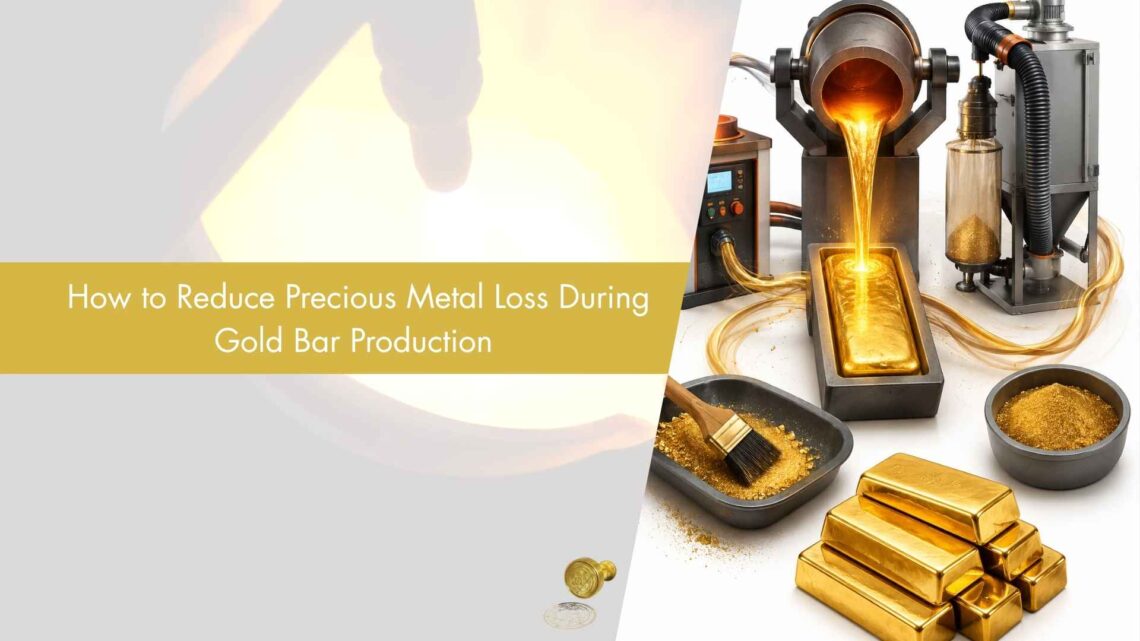
Introduction
In the precious metals industry, even the smallest amount of gold loss can significantly impact profitability. Whether you are producing investment-grade gold bars, jewelry bullion, or industrial gold products, minimizing precious metal loss is essential for maximizing yield, reducing operational costs, and maintaining product quality.
A tunnel furnace is a continuous heating system widely used in precious metals manufacturing, especially for producing gold and silver bars with consistent quality and high throughput. It allows controlled, uniform heating as metal moves through different temperature zones on a conveyor or track system.
Gold is one of the most valuable materials processed in manufacturing. Every gram lost during melting, refining, casting, handling, or finishing represents direct financial loss. Fortunately, modern technologies and best practices can help manufacturers recover more precious metal and improve overall production efficiency.
This guide explores the most common causes of gold loss during gold bar production and provides practical strategies to reduce wastage and increase recovery rates.
Why Precious Metal Loss Matters

Gold manufacturers often focus on production output and product quality, but metal recovery is equally important. Even a loss of 0.1% can become substantial when processing kilograms of gold annually.
Benefits of Reducing Gold Loss
- Higher production profitability
- Improved precious metal recovery rates
- Reduced raw material costs
- Better inventory control
- Enhanced operational efficiency
- Increased return on investment (ROI)
Common Sources of Gold Loss During Production
Understanding where losses occur is the first step toward reducing them.
1. Melting and Oxidation Losses
During the melting process, excessive temperatures and improper furnace operation can lead to metal oxidation and material loss.
Common causes include:
- Overheating molten metal
- Extended holding times
- Poor temperature control
- Contamination from crucibles
2. Casting and Pouring Losses
Gold can be lost during transfer from the furnace to molds due to:
- Spillage during pouring
- Improper mold design
- Incomplete filling
- Residual metal remaining in crucibles
OPDEL Vulcano Series – Where relentless power meets flawless continuous casting.
3. Grinding and Finishing Losses
After casting, gold bars often undergo finishing operations such as:
- Surface grinding
- Polishing
- Edge trimming
- Engraving
Fine gold particles generated during these processes can easily be lost if proper collection systems are not in place.
4. Dust and Airborne Particles
Gold dust generated during production may settle on floors, workbenches, filters, clothing, and ventilation systems.
Without effective recovery procedures, these particles become hidden losses that accumulate over time.
5. Handling and Inventory Errors
Manual handling can contribute to:
- Material mix-ups
- Recording discrepancies
- Product misplacement
- Undetected process losses
Explore our 1kg Gold Induction Melting Furnace – 4 Station IGBT System for efficient, high-precision melting that perfectly complements automated gold and silver bar casting operations.
Best Practices to Reduce Precious Metal Loss

Use High-Efficiency Induction Furnaces
Modern induction furnaces provide precise temperature control and faster melting cycles compared to conventional fuel-fired systems.
Advantages include:
- Reduced oxidation
- Lower metal contamination
- Consistent melting temperatures
- Improved energy efficiency
Advanced IGBT-based induction furnaces are particularly effective for precious metal applications due to their stable power output and accurate temperature regulation.
Optimize Melting Temperatures
Avoid overheating gold beyond the required pouring temperature.
Maintaining the correct melting range helps:
- Minimize oxidation
- Reduce metal evaporation
- Preserve alloy composition
- Improve casting quality
Installing digital temperature monitoring systems can significantly improve process control.
Select Quality Crucibles
The choice of crucible directly affects metal recovery.
High-quality crucibles offer:
- Better thermal resistance
- Reduced contamination
- Longer service life
- Lower metal retention
Regular inspection and replacement of worn crucibles can prevent unnecessary gold losses.
Discover the OPDEL iD Pro Series Induction Furnace, engineered for precision melting, energy efficiency, and superior performance.
Implement Dust Collection Systems
Gold dust is valuable and should never be treated as waste.
Effective recovery systems include:
- Industrial vacuum units
- Dust extraction systems
- HEPA filtration systems
- Dedicated polishing dust collectors
Collected dust can be refined and returned to production, improving overall recovery rates.
Recover Sweepings and Polishing Waste
Many manufacturers underestimate the value of floor sweepings, polishing residues, and filter dust.
These materials often contain recoverable precious metals and should be processed through a dedicated recovery program.
Improve Mold Design and Casting Procedures
Proper mold engineering helps reduce:
- Metal overflow
- Incomplete filling
- Excess trimming requirements
- Rework and scrap generation
Consistent casting practices lead to higher yield and better bar quality.
Experience seamless metal casting with the OPDEL Continuous Casting Furnace ‘Etna’ cD Series, built for consistency, reliability, and precision.
Automate Production Processes
Automation reduces human error and improves material accountability.
Examples include:
- Automated weighing systems
- Digital inventory tracking
- Automated casting equipment
- Process monitoring software
Automation helps identify losses quickly and maintain accurate production records.
Importance of Precious Metal Recovery Programs
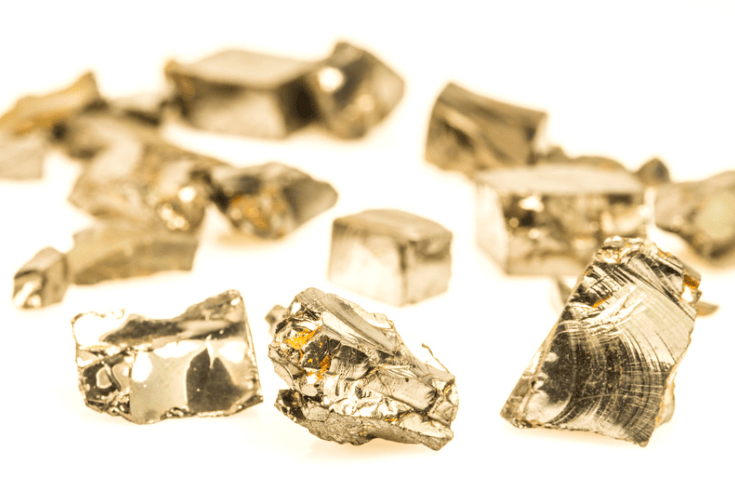
A comprehensive recovery strategy should include:
Daily Recovery Activities
- Collect grinding dust
- Clean workstations
- Recover polishing residues
- Inspect ventilation filters
Weekly Recovery Activities
- Process sweepings
- Analyze production waste
- Review inventory variances
- Inspect recovery equipment
Monthly Recovery Audits
Regular audits help identify hidden losses and improve process efficiency.
Track metrics such as:
- Recovery percentage
- Scrap generation rate
- Yield efficiency
- Production losses per batch
OPDEL Static Furnace – Unmatched stability, precision, and performance for flawless melts.
How Technology Improves Gold Recovery

Modern gold bar manufacturers increasingly rely on advanced technology to reduce losses.
Key technologies include:
Digital Weighing Systems
High-precision scales provide accurate material tracking throughout production.
Induction Melting Systems
Efficient melting reduces oxidation and improves metal utilization.
Automated Refining Equipment
Consistent refining processes minimize human error and improve yield.
Production Management Software
Real-time monitoring allows manufacturers to identify inefficiencies and optimize recovery rates.
Pair your casting line with the 1kg Gold Induction Melting Furnace – 4 Station IGBT System to achieve faster melt cycles, precise temperature control, and consistent feed stock for flawless bullion bar production.
Calculating the Cost of Gold Loss
Consider a facility processing 100 kilograms of gold annually.
If production losses equal:
- 0.1% = 100 grams lost
- 0.25% = 250 grams lost
- 0.5% = 500 grams lost
Given current gold prices, these losses can represent substantial financial impact each year.
Even small improvements in recovery rates can generate significant savings and improve profitability.
Conclusion
Reducing precious metal loss during gold bar production is not simply about saving material—it is about improving profitability, efficiency, and long-term competitiveness.
By investing in advanced induction melting technology, implementing effective recovery systems, optimizing casting processes, and maintaining strict inventory control, manufacturers can significantly reduce gold losses and maximize recovery rates.
In an industry where every gram matters, a proactive approach to precious metal recovery can create a measurable advantage and deliver substantial financial returns over time.
for more information visit opdel.com
Frequently Asked Questions (FAQs)
What is the biggest cause of gold loss during production?
Gold dust generated during polishing, grinding, and finishing operations is often one of the largest sources of recoverable metal loss.
How do induction furnaces reduce gold loss?
Induction furnaces provide precise temperature control, reducing oxidation, contamination, and overheating during melting.
Can polishing dust be recovered?
Yes. Polishing dust often contains valuable precious metal particles that can be refined and reused.
Why is inventory tracking important in gold manufacturing?
Accurate inventory tracking helps identify process losses, prevent discrepancies, and improve overall metal accountability.
What recovery rate should gold bar manufacturers target?
Recovery targets vary by process, but modern facilities aim to maximize recovery while minimizing production losses through continuous process improvement.