Tag: tag3

Golden Decisions: A Guide to Selecting the Perfect Melting Furnace for Your Precious Metal Journey

By opdel.com

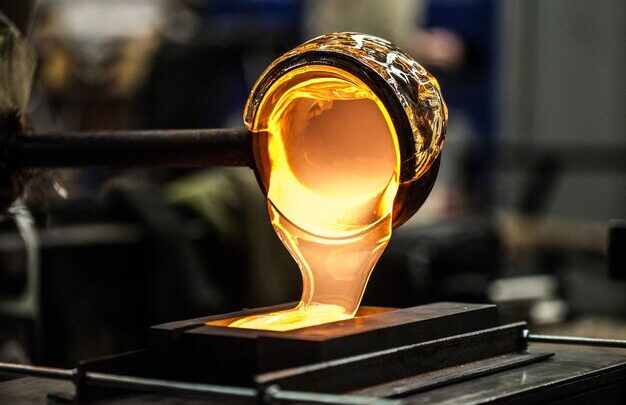
Embarking on a journey into the world of precious metals, particularly gold, is an exciting venture. Whether you’re a seasoned jeweller, a hobbyist, or an aspiring goldsmith, one of the crucial decisions you’ll face is choosing the right melting furnace for your needs. The melting furnace is the heart of any precious metal workshop, and making an informed decision can significantly impact the quality of your work. In this guide, we’ll walk you through the key factors to consider when selecting the perfect melting furnace for your golden journey.   Understanding Your Needs: Before diving into the technical aspects of melting furnaces, take a moment to understand your specific requirements. Consider the volume of gold you plan to work with, the types of projects you’ll be undertaking, and your level of experience. This self-assessment will serve as a solid foundation for making an informed decision.   Types of Melting Furnaces: Melting furnaces come in various types, each suited for different applications. The two primary types are electric and gas furnaces. Electric furnaces are suitable for smaller-scale operations, offering precise temperature control and ease of use. Gas furnaces, on the other hand, are ideal for larger-scale projects, providing higher melting capacities but requiring more careful temperature management.   Capacity and Size: The size of the melting furnace is a critical consideration. Ensure that the furnace you choose has the capacity to accommodate the volume of gold you intend to melt. Additionally, consider the physical size of the furnace in relation to your workspace. A compact furnace may be more suitable for a home studio, while a larger industrial furnace might be necessary for commercial operations.   Temperature Control and Precision: Maintaining the correct temperature is paramount when working with precious metals. Look for a melting furnace that offers precise temperature control. This is particularly crucial for gold, as different alloys have specific melting points. A furnace with accurate temperature settings will contribute to the quality and consistency of your final products.   Material Compatibility: Not all melting furnaces are created equal when it comes to compatibility with different materials. Ensure that the furnace you choose is designed to handle gold and any other materials you may be working with. Some furnaces may have features that make them versatile for various metals, providing flexibility in your projects.     Energy Efficiency: As sustainability becomes a more significant consideration in every industry, including metalworking, it’s essential to choose a melting furnace that is energy-efficient. Look for models that are designed to minimize energy consumption while still delivering optimal performance. This not only benefits the environment but also contributes to cost savings in the long run.   Conclusion: Choosing the right melting furnace for your gold smithing journey is a pivotal decision that will impact the quality and efficiency of your work. By understanding your needs, considering the type and size of furnace, evaluating temperature control features, ensuring material compatibility, and prioritising energy efficiency, you can make a golden decision that aligns with your goals and aspirations in the world of precious metals. May your chosen furnace be the foundation for countless masterpieces in your artistic and crafting endeavours. Happy melting! https://youtu.be/xmz1xHccg0Y?si=ICHEkZnHRp1uCGGR
Unleashing Efficiency: A Deep Dive into Optimizing Continuous Casting Through Simulation Strategies

By opdel.com

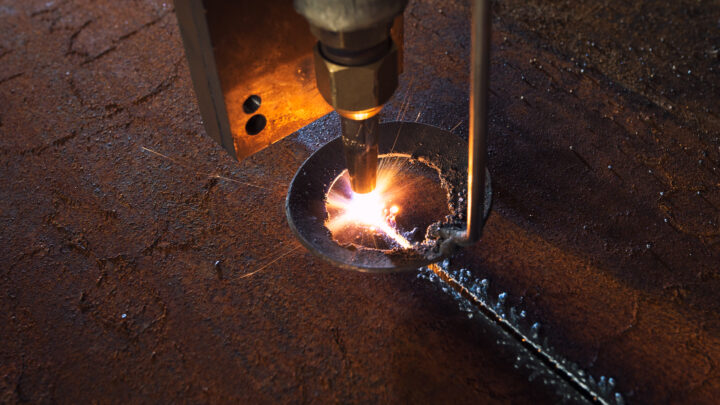
Continuous casting is a cornerstone in the metal manufacturing industry, providing a cost-effective and efficient way to produce high-quality metal products. However, as industries evolve, the need for optimization becomes paramount. In this blog, we will explore how simulation strategies are revolutionising the continuous casting process, unlocking new levels of efficiency and productivity.   Understanding Continuous Casting: Continuous casting involves the uninterrupted pouring of molten metal into a mold to produce a continuous strand or slab. This process is widely used for steel, aluminium, and other metals due to its ability to produce consistent and defect-free products. However, optimising this complex process requires a deep understanding of the interplay between various factors, such as temperature, mold design, and casting speed.   Challenges in Continuous Casting: Before delving into simulation strategies, it’s essential to recognize the challenges inherent in continuous casting. Issues like surface defects, inconsistent product quality, and energy inefficiency can arise. Traditional trial-and-error methods to address these challenges are time-consuming and costly, driving the need for more innovative solutions.   Enter Simulation Strategies: Simulation strategies involve creating digital models that replicate the real-world conditions of the continuous casting process. These models consider a multitude of variables, enabling engineers and metallurgists to analyse the impact of changes without the need for physical experimentation. This approach not only accelerates the optimization process but also significantly reduces costs.   Temperature Management: One critical aspect of continuous casting is temperature control. Simulation allows for a detailed analysis of temperature distribution within the mold and the metal, helping identify potential hot spots or areas of insufficient heat. By adjusting parameters such as cooling rates and mold design in the digital realm, engineers can optimize temperature profiles to minimize defects and enhance product quality.   Mold Design and Fluid Dynamics: Simulation strategies provide a platform to explore different mold designs and their impact on the casting process. By analysing fluid dynamics within the mold, engineers can optimize the geometry to ensure a uniform flow of molten metal. This not only reduces the likelihood of defects but also enhances the overall efficiency of the casting process.     Casting Speed and Productivity: Adjusting casting speed is a delicate balancing act in continuous casting. Simulation allows engineers to experiment with different speeds and observe their effects on product quality and process efficiency. Finding the optimal casting speed is crucial for maximising productivity without compromising on the integrity of the final product.   Quality Assurance: Simulation strategies contribute significantly to quality assurance by predicting and mitigating potential defects. Whether it’s addressing surface irregularities, cracks, or other imperfections, the ability to simulate various scenarios empowers manufacturers to implement changes proactively and ensure a higher standard of product quality.   Conclusion: As industries evolve, so must the methods of production. Simulation strategies offer a transformative approach to optimising the continuous casting process, addressing challenges and unlocking new levels of efficiency. By harnessing the power of digital models, manufacturers can make informed decisions, reduce costs, and propel their operations into a future defined by precision and productivity. The journey toward efficiency begins with a deep dive into the world of simulation strategies for continuous casting.https://youtu.be/YiM8xfvjadg?si=gp5iysB8XY706WNi